News

Why Green Sapphire Is the Most Underrated Engagement Ring Stone?
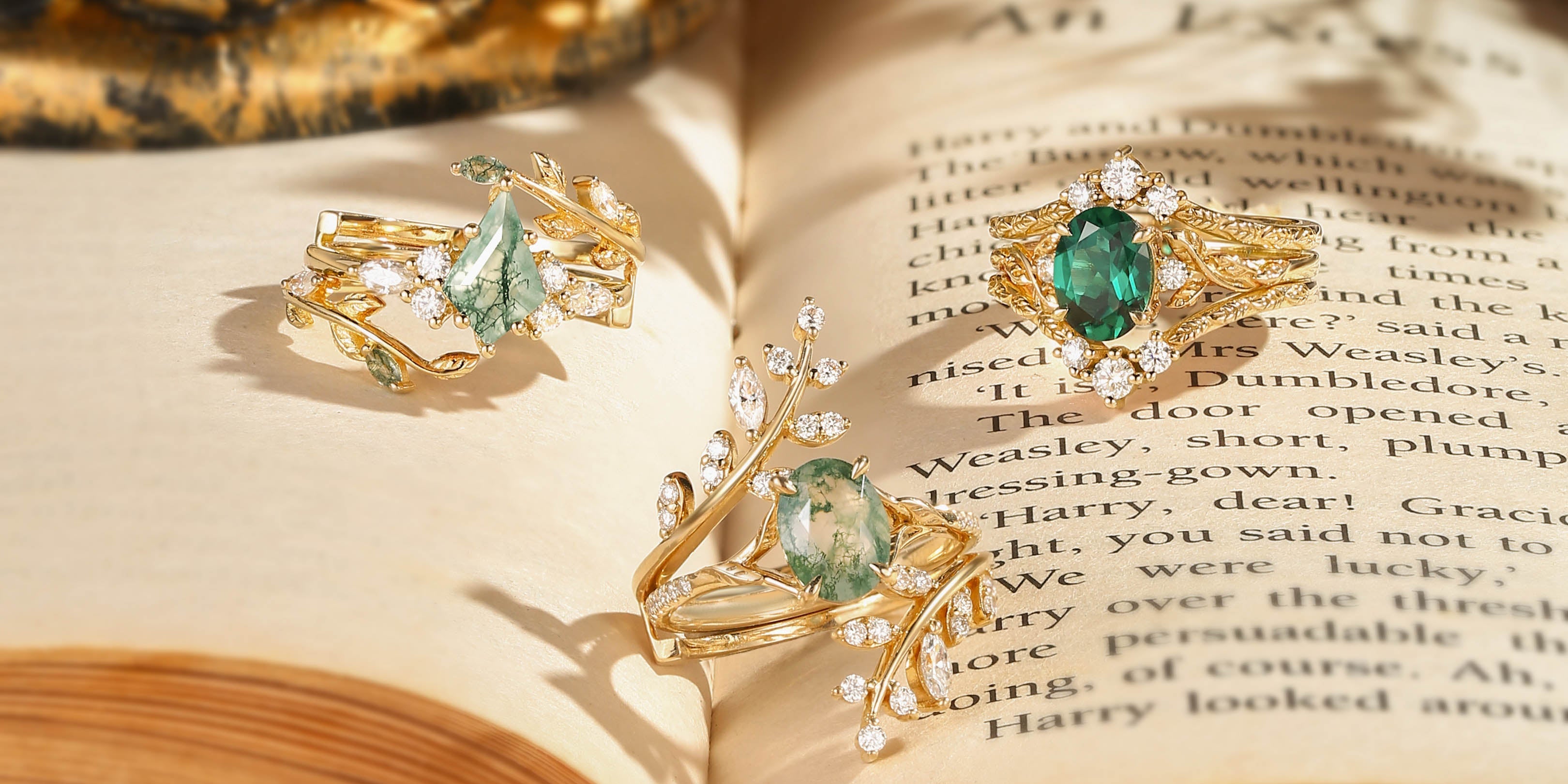
Everyone talks about blue sapphire. Everyone talks about emerald. But the gemstone that quietly sits in the corner — the one that combines the durability of sapphire, the color of spring forests, and a rarity that natural blue sapphire can't even match — is green sapphire. It is, without question, the most underrated engagement ring stone on the market today. And it is time that changed. At BlingFlare, we have been watching more and more brides choose green sapphire over the usual suspects — not because it is trendy, but because it is genuinely better in ways most people never think to consider. If you are looking for a green sapphire engagement ring, or simply curious about why this stone deserves a second look, this is the guide you have been waiting for. Table of Contents The Symbolism of Green Sapphire: Nature, Rebirth & Calm Green Sapphire vs. Emerald: The Durability Winner Is Clear Why Natural Green Sapphire Is Rarer Than Blue (But Lab-Made Changes Everything) Green Sapphire Fits Every Style — Vintage, Nature-Inspired & Bohemian The BlingFlare Green Sapphire Collection Frequently Asked Questions The Symbolism of Green Sapphire: Nature, Rebirth & Calm Gemstones have always carried meaning. Diamonds mean forever. Rubies mean passion. Sapphires, in their blue form, mean wisdom and loyalty. But green sapphire speaks a different language entirely — one that speaks to the part of us that craves grounding, renewal, and quiet strength. Nature. Green is the color of the living world. Forests, meadows, moss-covered stones — green sapphire carries the visual weight of everything that grows. For brides who feel most at peace in the woods, who choose wildflowers over roses, who want their ring to feel like an extension of the natural world, green sapphire is the obvious choice. Rebirth. In ancient gemstone traditions, green stones were associated with renewal and new beginnings. Green sapphire carries this symbolism forward — making it an especially meaningful choice for an engagement ring, which is, at its core, a promise of a new life together. Calm. Unlike the fiery intensity of red or the dramatic depth of black, green is inherently soothing. Green sapphire does not demand attention — it earns it quietly. For brides who want their ring to feel like a deep breath rather than a shout, this is the stone. There is also a quieter kind of luxury in choosing something unexpected. Green sapphire says: I did not follow the crowd. I found something beautiful that most people overlooked. That is the kind of confidence that makes an engagement ring feel truly personal. Green Sapphire vs. Emerald: The Durability Winner Is Clear This is the comparison that should be made more often — and the one that, once you see the numbers, makes the choice almost obvious. Factor Green Sapphire Emerald Mohs Hardness 9 7.5–8 Daily Wear Suitability Excellent Moderate — requires protective settings Inclusions & Fractures Fewer, more structurally stable Naturally included ("jardin"), more prone to chipping Color Stability Stable — does not fade or change Can be treated with oils; color may shift over time Price (1ct, good quality) $300–$1,500 (lab: significantly less) $1,000–$5,000+ Rarity (natural) Rarer than blue sapphire Rare, but widely available in lower grades Let that sink in: green sapphire is a 9 on the Mohs scale. That puts it right next to blue sapphire, ruby, and moissanite — and well above emerald, which sits at 7.5–8. For an engagement ring that will be worn every day for decades, that difference is not small. It is the difference between a ring that looks as good in 20 years as it does today, and one that needs careful handling, protective settings, and occasional re-polishing. Emerald is beautiful — no one denies that. But its natural inclusions (called "jardin," French for garden) make it structurally more fragile. A hard knock against a countertop can chip an emerald. That same knock would not even register on a sapphire. For a bride who wants green in her ring without the maintenance anxiety, green sapphire is simply the smarter stone. Why Natural Green Sapphire Is Rarer Than Blue (But Lab-Made Changes Everything) Here is something most people do not know: in nature, green sapphire is rarer than blue sapphire. Blue sapphire gets its color from iron and titanium. Green sapphire gets its color from iron alone — and the specific geological conditions required to produce a pure, saturated green are far less common than those that produce blue. Most green sapphires mined from the earth have secondary tones of yellow or blue, making them technically "blue-green" or "yellow-green." A truly pure green natural sapphire is a collector's stone. So why is green sapphire less famous than blue? Partly because blue sapphire has centuries of royal marketing behind it — Princess Diana's ring, Victorian coronation jewels, the British Crown Jewels. Green sapphire never had that kind of spotlight. It has been the quiet alternative, known to gemstone collectors but rarely featured in mainstream jewelry marketing. That is where lab-grown green sapphire changes the equation. Lab-grown sapphires are physically, chemically, and optically identical to natural ones. They have the same hardness (9), the same brilliance, the same color. The difference is origin and price — and for green sapphire, the price difference is dramatic. A high-quality natural green sapphire can command $1,000–$3,000 per carat due to rarity. A lab-grown green sapphire of identical visual quality costs a fraction of that. This means every bride who wants the look, durability, and meaning of green sapphire can have it — without the rarity premium. At BlingFlare's Green Sapphire Collection, our lab-grown green sapphire rings start under $1,500 — a price point that would be impossible with natural stones of the same quality. Green Sapphire Fits Every Style — Vintage, Nature-Inspired & Bohemian One of green sapphire's greatest strengths is how well it adapts to different design aesthetics. It is not a stone that demands a specific setting — it elevates whatever surrounds it. Vintage & Victorian Green sapphire's muted, earthy tone fits perfectly in vintage-inspired settings. Think filigree metalwork, milgrain detailing, and Art Deco geometry. In yellow gold or rose gold, a green sapphire set in a Victorian-style ring feels like it was pulled from a 19th-century jewelry box — timeless, elegant, quietly luxurious. BlingFlare's Breeze is a perfect example: a mint green lab sapphire set in an intricate Victorian filigree band — the kind of ring that looks like it has been in the family for generations. Nature-Inspired & Botanical This is where green sapphire truly shines. The stone's color naturally echoes leaves, vines, and moss — making it the ideal centerpiece for botanical ring designs. Leaf-wrapped bands, vine-engraved shanks, and organic, flowing silhouettes all look extraordinary with a green sapphire at the center. It is the stone that makes a nature-inspired ring feel complete. Bohemian & Non-Traditional For brides who do not want a "traditional" engagement ring — the kind that looks like everyone else's — green sapphire is a natural choice. It is unexpected, individual, and quietly bold. Paired with unconventional cuts (kite, hexagon, pear) or alternative metals (black gold, rose gold), green sapphire becomes the stone for women who want their ring to be as unique as they are. The BlingFlare Green Sapphire Collection At BlingFlare, we offer one of the most diverse selections of green sapphire engagement rings available online. Every ring is handmade to order in 14K or 18K solid gold, with lab-grown green sapphires that are optically and chemically identical to natural stones. Here are a few of our standout designs: Breeze Lab Grown Mint Light Green Sapphire · Victorian Filigree · Rose Gold Hesper Filigree Leafy Pear Firework Cut Green Sapphire · Yellow Gold Abrielle Oval Cut Lab Mint Green Sapphire · Vine Fairytale Setting Celestine Filigree Pear Firework Cut Light Green Sapphire & Pearl Katriel 1.5CT Kite Cut Lab Green Sapphire · Oak Leaf Design Forest Fairy — Fae Marquise Firework Cut Green Sapphire · Leafy Bridal Set 2pcs Every ring is handmade to order. Lead time is typically 3–4 weeks. We also offer virtual try-on and detailed videos of every stone — so you can see exactly what your green sapphire will look like before it ships. Frequently Asked Questions What is the difference between green sapphire and emerald? The key differences are hardness and durability. Green sapphire (Mohs 9) is significantly harder than emerald (Mohs 7.5–8) and less prone to chipping or scratching. Emeralds are also naturally included, which makes them more fragile. Green sapphire offers the same lush green color with far greater durability for everyday wear. Is green sapphire rarer than blue sapphire? Yes. In nature, pure green sapphire is rarer than blue sapphire. The geological conditions required to produce green sapphire (iron-only coloration without titanium) are less common than those that produce blue. However, lab-grown green sapphires are widely available and offer the same optical and chemical properties as natural stones — at a fraction of the cost. Are lab-grown green sapphires "real" sapphires? Yes. Lab-grown sapphires have the exact same chemical composition (aluminum oxide), crystal structure, hardness, and brilliance as natural sapphires. Even professional gemologists cannot tell them apart without specialized equipment. The only difference is origin — and the price. What metal goes best with green sapphire? Yellow gold creates the most classic, vintage look — the warm metal enhances the stone's earthy green tones. Rose gold adds a romantic, modern feel. White gold or platinum creates a crisp, contemporary contrast that lets the green color stand out. All three pairings work beautifully; it depends on your personal style. How do I clean a green sapphire ring? Green sapphire is easy to care for. Use warm soapy water and a soft brush (a baby toothbrush works perfectly) to gently clean around the stone and setting. Avoid harsh chemicals, ultrasonic cleaners, and steam cleaning. Rinse thoroughly and pat dry. With regular gentle cleaning, your green sapphire will maintain its brilliance for a lifetime. What cut looks best for green sapphire? Green sapphire is versatile and looks stunning in a variety of cuts. Oval and pear cuts maximize the stone's color saturation and create an elegant, elongated silhouette. Kite and hexagon cuts offer a modern, architectural edge. Round and cushion cuts provide classic brilliance. At BlingFlare, we offer green sapphire in every popular cut — from traditional to unconventional. Can I customize a green sapphire engagement ring? Absolutely. BlingFlare offers full customization on all our engagement rings. You can choose your preferred metal (14K or 18K yellow, white, or rose gold; or platinum), select your stone cut and size, and work with our design team to create a ring that is uniquely yours. Contact us for a custom quote. Related Reads Green Sapphire Rings: Timeless Elegance for Every Moment How to Pair Sapphire Colors with Nature-Inspired Ring Designs How to Choose the Perfect Sapphire Color for Your Engagement Ring

How to Pick the Perfect Lab Sapphire Color for Your Skin Tone
Choosing the perfect lab-grown sapphire for your engagement ring goes beyond picking your favorite hue — it is about finding the color that makes your skin glow. At BlingFlare, we believe every sapphire should feel like it was made for you. Explore our curated collections to find your ideal match: Royal Blue Sapphire, Cornflower Blue Sapphire, Green Sapphire Rings, and Padparadscha Sapphire. Table of Contents Quick Skin Tone Guide Best Sapphire Colors for Cool Skin Tones Best Sapphire Colors for Warm Skin Tones Best Sapphire Colors for Neutral Skin Tones Metal Pairing Guide Matching Your Personal Style How Lighting Changes Sapphire Color Frequently Asked Questions Quick Skin Tone Guide Skin Tone Undertone Clues Best Sapphire Colors Best Metals Cool Pink, red, or blue hints. Veins appear blue. Silver jewelry flatters more. Royal Blue, Cornflower Blue, Purple, Pink White Gold, Platinum Warm Yellow, golden, or peachy hints. Veins appear green. Gold jewelry looks natural. Green, Yellow, Padparadscha, Orange Yellow Gold Neutral Mix of warm and cool hints. Veins appear blue-green. Both gold and silver work. Teal, Pink, Blue-Green, Purple Rose Gold, Yellow Gold, White Gold Quick Test: Look at the veins on your wrist under natural light. Blue veins = cool tone. Green veins = warm tone. Cannot tell = neutral tone. Best Sapphire Colors for Cool Skin Tones Cool skin tones have pink, red, or blue undertones that create a natural canvas for the most classic sapphire colors. Blue sapphires are the ultimate match — they echo your undertones and make your complexion look bright and balanced. Royal Blue Sapphire The deepest, most saturated blue. Royal Blue sapphire creates a dramatic contrast against cool skin, making it look luminous and elegant. This is the color royalty wore for centuries — and for good reason. Shop Royal Blue Sapphire Collection Cornflower Blue Sapphire A softer, velvety medium blue with a slight violet hint. Cornflower Blue is lighter than Royal Blue but still rich — it gives cool skin a romantic, dreamy glow without overpowering delicate features. Purple Sapphire Purple sapphires blend the calm of blue with the warmth of red, creating a jewel tone that flatters cool undertones beautifully. The result is regal and slightly mysterious — perfect for someone who wants the classic feel of blue with a twist. Floral Oval Cut Blue Sapphire Flower Twist Engagement Ring Set 2pcs - Lilac Abrielle - Oval Cut Lab Cornflower Blue Sapphire Vine Fairytale Engagement Ring Forest Fairy Butterfly Wing Marquise Cut Purple Sapphire Leafy Engagement Ring - Inara Marquise Blue Sapphire Filigree Royalcore Wedding Ring - Lois Oval Cut Lab Cornflower Blue Sapphire Vine Fairy Bridal Ring Set 2pcs - Abrielle Forest Fairy Marquise Cut Lavender Sapphire Leafy Inspired Bridal Set 2pcs - Fae Best Sapphire Colors for Warm Skin Tones Warm skin has golden, peachy, or yellow undertones that harmonize with earthy, nature-inspired sapphire colors. Green, yellow, and padparadscha sapphires bring out the natural warmth in your skin and create a sun-kissed, radiant look. Green Sapphire Green sapphires echo the natural warmth of olive and golden skin tones. They feel organic, grounded, and refreshingly different from traditional blue — ideal for someone who wants a ring that feels alive and unique. Orange Sapphire Orange sapphires bring a bold, vibrant warmth to the hand that few stones can match. Their rich tangerine-to-amber hue mirrors the golden undertones in warm skin, creating a look that's simultaneously exotic and deeply harmonious. Less rare than padparadscha but equally stunning, orange sapphire is the choice for women who want their ring to command a room — warm, confident, and utterly unforgettable. Padparadscha Sapphire The rarest sapphire color — a delicate blend of pink and orange, named after the lotus blossom. Padparadscha sapphires look breathtaking against warm skin, creating a soft, glowing effect that feels both exotic and deeply romantic. Clarissa - Pear Cut Lab Green Sapphire Leafy Bridal Set 2pcs Eden - Orange Sapphire Leaf Women Oval Firework Cut Engagement Ring Set 2pcs Hesper - Filigree Leafy Pear Firework Cut Green Sapphire Engagement Ring Forest Fairy Marquise Cut Pink Sapphire Leafy Engagement Ring - Letitia Drisana - 14K Pear Cut Lab Sage Green Sapphire Engagement Ring Set 2pcs Best Sapphire Colors for Neutral Skin Tones Neutral skin tones have a balanced mix of warm and cool undertones — you are the lucky one who can wear almost any sapphire color. But certain shades will make your skin look especially radiant and balanced. Teal Sapphire Teal sapphires blend blue and green in equal measure, matching your balanced undertones perfectly. They feel modern, unique, and subtly sophisticated — a great choice if you want something that stands out without being loud. Pink Sapphire Pink sapphires add a soft, romantic pop of color that works beautifully with neutral skin. They are feminine, joyful, and versatile — equally stunning in a solitaire setting or surrounded by diamonds. Blue-Green Sapphire Blue-green sapphires sit right at the crossroads of cool and warm, making them a natural fit for neutral undertones. They shift between hues depending on the light — always interesting, never boring. Natural Teal Sapphire Leafy Round Cut Engagement Ring Set 2pcs - Clarissa Crescent Moon Twisted Round Cut Pink Sapphire Bridal Set 2pcs - Noreen Diana - Oval Cut Leaf-Inspired Blue Green Sapphire Engagement Ring Set 2pcs Eden - Vintage Firework Pink Sapphire Marquise Cut Engagement Ring Set Josephine - Blue Green Sapphire Oval Cut Leafy Filigree Bridal Set 2pcs Metal Pairing: Match Your Sapphire to the Perfect Setting The metal you choose can amplify or soften your sapphire color. Here is how to create the most flattering combinations: Yellow Gold with Green or Peach Sapphires Yellow gold enhances the warm, earthy tones of Green and Padparadscha sapphires. The result is vintage-inspired, sunlit, and deeply romantic. Perfect for warm skin tones. White Gold with Blue Sapphires White gold or platinum creates a crisp, high-contrast frame for Royal Blue and Cornflower Blue sapphires. The cool metal lets the blue sapphire color take center stage — classic, elegant, and timeless. Rose Gold with Pink or Purple Sapphires Rose gold adds warmth and softness to Pink and Purple sapphires. The combination is romantic, modern, and universally flattering — especially beautiful on neutral and cool skin tones. Match Your Personal Style Your sapphire choice should reflect more than just your skin tone — it should feel like you. Here is how different styles translate into sapphire selections: Classic and Elegant Go for: Royal Blue Sapphire in White Gold or Platinum Why: Timeless, regal, and universally recognized as the gold standard of sapphires. Vintage and Romantic Go for: Cornflower Blue Sapphire in Rose Gold or Padparadscha in Yellow Gold Why: Soft, dreamy colors with antique-inspired settings create a nostalgic, love-story feel. Nature-Inspired and Bohemian Go for: Green Sapphire in Yellow Gold or Teal Sapphire in Rose Gold Why: Earthy, organic tones that feel grounded and connected to the natural world. Bold and Modern Go for: Purple Sapphire in White Gold or Blue-Green Sapphire in Yellow Gold Why: Unexpected color combinations that make a statement and start conversations. How Lighting Changes Sapphire Color Sapphires are chameleons — they look different under every light. Before you commit, test your stone in multiple lighting conditions: Daylight (North-facing window): Shows the truest color. Cool-toned sapphires look brighter; warm-toned ones may appear slightly muted. Warm Indoor Light (Incandescent or LED warm white): Enhances warm sapphires (Green, Yellow, Padparadscha) and makes them glow. Blue sapphires may look slightly darker. Office Fluorescent Light: Can wash out subtle colors. If your sapphire still looks vibrant here, it is a good sign. Evening or Candlelight: Makes every sapphire look warmer and more romantic. Padparadscha and Pink sapphires are especially stunning. Related Reads How to Choose the Perfect Sapphire Color for Your Engagement Ring How to Pair Sapphire Colors with Nature-Inspired Ring Designs Why Sapphire Stays Brilliant: The Everyday Stone That Never Stops Catching Light Frequently Asked Questions What is the most popular lab sapphire color for engagement rings? Royal Blue is the most popular and classic choice. It is the color most people picture when they think of a sapphire engagement ring. Cornflower Blue is a close second for those who prefer a softer look. Can I wear a blue sapphire if I have warm skin? Absolutely. While Green and Padparadscha sapphires may flatter warm skin more naturally, blue sapphires are universal. If you love blue, wear blue — confidence matters more than rules. Do lab sapphires look different from natural sapphires? Visually, no. Lab sapphires have the same chemical composition, hardness, and brilliance as natural sapphires. Even gemologists cannot tell them apart without specialized equipment. The difference is in origin and price. Are there sapphire colors that suit all skin tones? Yes. Cornflower Blue, Pink, and Purple sapphires are universally flattering. If you are shopping for a gift and do not know the recipient skin tone, these are safe, stunning choices. Should I match my sapphire to my eye color? It is not necessary, but it can be beautiful. Blue sapphires make blue eyes pop. Green sapphires enhance green or hazel eyes. Purple sapphires complement brown eyes. But ultimately, wear what makes you feel radiant. Finding the perfect lab sapphire color for your skin tone is a personal journey — and there are no wrong answers, only what makes you feel beautiful. Whether you are drawn to the deep sophistication of Royal Blue, the earthy warmth of Green, or the exotic glow of Padparadscha, BlingFlare has a sapphire waiting to become part of your love story. Browse our full collection at BlingFlare.com and let your ring reflect the real you.

Are Lab-Grown Sapphires "Real" Sapphires? The Truth Nobody Tells You
If you've ever hesitated before buying a lab-grown sapphire — wondering "Is this actually a real sapphire, or am I being tricked?" — you're not alone. This is the single most common question we hear at BlingFlare, and the answer might surprise you. Yes. Lab-grown sapphires are 100% real sapphires. They share the same chemical composition, the same crystal structure, and the same Mohs hardness (9 out of 10) as natural sapphires mined from the earth. The only difference? Where they were born — not what they are. Whether you're drawn to the lush green of a green sapphire or the dreamy pink-orange of a padparadscha sapphire, this guide will help you understand exactly what you're getting — and why more couples are choosing lab-grown over natural. Table of Contents What Makes a Sapphire "Real"? How Lab-Grown Sapphires Are Created Lab-Grown vs. Natural Sapphire: What's Actually Different? Why More Consumers Are Choosing Lab Sapphires Common Myths — Debunked Are Lab Sapphires Right for Your Engagement Ring? FAQ What Makes a Sapphire "Real"? A sapphire is defined by science, not by geography. The mineral corundum (crystallized aluminum oxide, Al₂O₃) becomes a sapphire when trace elements give it color — iron and titanium create blue, chromium creates pink, and a precise balance produces the coveted padparadscha. If the chemistry is identical, the crystal is identical. Period. The Gemological Institute of America (GIA), the world's leading authority on gemstones, states clearly: lab-grown sapphires have essentially the same physical and optical properties as natural sapphires. Major gemological labs worldwide classify lab-grown corundum as sapphire — full stop. How Lab-Grown Sapphires Are Created Two primary methods replicate nature's process in a controlled environment: Flame Fusion (Verneuil Process) — The oldest and most cost-effective technique. Fine aluminum oxide powder is dropped through a high-temperature flame (~2,000°C), melting and crystallizing onto a rotating boule. The result: a vibrant sapphire crystal grown in hours rather than millions of years. Flux Growth — A slower, more precise method where aluminum oxide dissolves in a molten flux at lower temperatures over weeks or months. Flux-grown sapphires often exhibit more natural-looking inclusions and richer color saturation — making them a favorite for fine jewelry. Both methods produce sapphires that are chemically, optically, and structurally identical to their natural counterparts. Under a gemologist's microscope, the distinction is subtle: lab stones may show curved striae (growth lines from flame fusion) or tiny flux inclusions, while naturals display angular color zoning and mineral inclusions formed over eons. Hardness: 9.0 Mohs (second only to moissanite and diamond) 100% chemically identical to natural corundum Available in: Blue · Green · Pink · Padparadscha · Yellow · White Ideal setting styles: Vintage, nature-inspired, halo, solitaire Lab-Grown vs. Natural Sapphire: What's Actually Different? Natural Sapphire Lab-Grown Sapphire Chemical Composition Al₂O₃ + trace elements Al₂O₃ + trace elements (identical) Crystal Structure Hexagonal Hexagonal (identical) Hardness (Mohs) 9 9 (identical) Refractive Index 1.76–1.78 1.76–1.78 (identical) Origin Earth's crust, millions of years Laboratory, hours to months Price (1ct equivalent) $200–$1,500+ $50–$300 Color Consistency Variable, depends on mine More consistent and controllable Environmental Impact Mining, land disruption Minimal land use, controlled process Supply Chain Transparency Often opaque Fully traceable Hesper - Filigree Leafy Pear Firework Cut Green Sapphire Engagement Ring Floral Fairy Marquise Firework Cut Padparadscha Sapphire Leafy Bridal Set 2pcs - Faith Abrielle - Oval Cut Lab Cornflower Blue Sapphire Vine Fairytale Engagement Ring Clarissa - Pear Cut Lab Green Sapphire Leafy Bridal Set 2pcs Eden - Orange Sapphire Leaf Women Oval Firework Cut Engagement Ring Set 2pcs Drisana - 14K Pear Cut Lab Sage Green Sapphire Engagement Ring Set 2pcs Why More Consumers Are Choosing Lab Sapphires Choose Lab Sapphires if you… Want to get your ideal color — precise color control means no settling for "close enough" Want significantly more affordable fine jewelry — typically 50–80% less than natural Care about fully transparent supply chain — complete origin documentation Value sustainability — no large-scale mining, lower carbon footprint Love the idea of a stone that's chemically identical to natural but without the rarity markup At BlingFlare, we specialize in handcrafted rings featuring our signature Firework Cut and nature-inspired designs. Every lab sapphire in our collection is ethically sourced and fully traceable. Common Myths — Debunked Myth: "Lab-Grown Sapphires Are Fake Gemstones" False. Lab-grown sapphires are real sapphires. They are not simulants like glass, cubic zirconia, or synthetic spinel — those are entirely different materials that merely look like sapphire. Lab-grown sapphires are sapphire, grown in a lab instead of the earth. Even the FTC (U.S. Federal Trade Commission) recognizes lab-created corundum as genuine sapphire. Myth: "Lab-Grown Sapphires Aren't Durable" False. Lab-grown sapphires rate 9 on the Mohs hardness scale — second only to moissanite (9.25) and diamond (10). They will not scratch easily, chip under normal wear, or lose their color over time. They are absolutely suitable for everyday jewelry, including engagement rings worn daily. Myth: "Lab-Grown Sapphires Look Cheap or Artificial" False. A well-cut lab sapphire is indistinguishable from a natural one to the naked eye. The brilliance, fire, and color saturation are identical. In fact, because lab sapphires allow for better color consistency, you may end up with a stone that looks more vivid than many natural alternatives at the same price point. Myth: "Lab-Grown Means Low Quality" False. Quality in sapphires is determined by the Four Cs — Color, Clarity, Cut, and Carat — regardless of origin. A premium lab-grown sapphire with excellent cut, vivid color, and high clarity will always outperform a poorly cut natural stone. At BlingFlare, we curate only top-grade lab sapphires for every piece in our collection. Are Lab Sapphires Right for Your Engagement Ring? Absolutely yes — and here's why: Durability: Mohs 9 hardness means it will withstand decades of daily wear Beauty: Identical brilliance and color to natural sapphire Value: Get a larger, more stunning stone for your budget Ethics: A clear conscience with transparent sourcing and minimal environmental impact Uniqueness: Choose from colors that are rare or nearly impossible to find in natural sapphire — like vivid padparadscha or rich teal Related Reads The Green That Doesn't Exist in Nature — And Why That's the Point Green Sapphire Rings: Timeless Elegance for Every Moment The Fireworks Cut: A Gemstone with a Thousand Stories to Sparkle FAQ Will a jeweler be able to tell if my sapphire is lab-grown? Not with the naked eye. A trained gemologist using specialized equipment can detect subtle growth patterns, but to everyone else — including your friends and family — your lab sapphire looks exactly like a natural one. Do lab-grown sapphires come with certificates? Yes. Reputable sellers like BlingFlare provide gemological certification for their lab sapphires, confirming the stone's identity, characteristics, and lab-grown origin. Will a lab-grown sapphire fade or change color over time? No. Lab-grown sapphires have the same exceptional color stability as natural sapphires. They will not fade, discolor, or change with exposure to light or normal conditions. Can lab-grown sapphires be set in any metal? Yes. Lab sapphires work beautifully with all jewelry metals — white gold, yellow gold, rose gold, platinum, and sterling silver. The setting process is identical to natural sapphires. How should I clean my lab-grown sapphire jewelry? Warm soapy water and a soft brush work perfectly. Ultrasonic cleaners are generally safe (avoid if the stone has fracture fillings). Steam cleaning is also fine for most lab sapphires. Are lab-grown sapphires the same as simulated sapphires? No. Simulants (like glass or synthetic spinel) are different materials that mimic sapphire's appearance. Lab-grown sapphires are real sapphire — same chemistry, same structure, same beauty. Is it okay to choose a lab sapphire for an engagement ring? Absolutely. Lab sapphires are one of the most popular choices for modern engagement rings — durable, beautiful, ethical, and affordable. Many couples specifically seek them out for these reasons. Where can I buy trustworthy lab-grown sapphire jewelry? Always buy from sellers who clearly disclose the origin of their stones. At BlingFlare, every lab sapphire is explicitly labeled, certified, and backed by our quality guarantee. Browse our Sapphire Collection to find your perfect piece. Have questions about our sapphire collection? Message us on Instagram or chat with our team at blingflare.com.

How to Pair Sapphire Colors with Nature-Inspired Ring Designs
Put the same sapphire into two completely different ring settings, and you'll get two entirely different pieces of jewelry. A royal blue stone in a sleek modern bezel reads power and precision; place that identical gem into a hand-carved leaf setting with twisting vine shoulders, and suddenly it feels like something unearthed from an enchanted forest. That's the magic of nature-inspired rings — they don't just hold a gemstone, they give it a story. At BlingFlare, botanical motifs have been a signature since day one: leaf-vein bezels, organic vine bands, floral halos that bloom around the center stone. And no gemstone benefits more from this design philosophy than the sapphire. Rated 9 on the Mohs hardness scale — second only to diamond — sapphires are durable enough for everyday wear, while their extraordinary range of colors offers an almost limitless palette for creative jewelry design. In this guide, we'll walk you through four stunning color-and-design pairings that bring out the very best in sapphire engagement rings, so you can find the combination that matches not just your taste, but your personality. Table of Contents Why Nature-Inspired Settings Belong with Sapphires Royal Blue × Vintage Leaf — Power and Romance Cornflower Blue × Floral — Soft and Romantic Green Sapphire × Forest-Inspired — Wild and Alive Teal Sapphire × Organic Vine — Mysterious and Moody Which Pairing Is Right for You? FAQ Why Nature-Inspired Settings Belong with Sapphires Before we dive into specific pairings, it's worth understanding why nature-inspired settings and sapphires feel so naturally right together. Origin story. Sapphires are born deep inside the Earth's crust, formed under intense heat and pressure over millions of years. They are, quite literally, children of the earth. When you set a sapphire into a band carved with leaf veins, winding stems, or woodland textures, you're echoing the gemstone's own geological origin. The visual language matches the literal one. Softening geometry. Sapphires are often cut into precise geometric shapes — ovals, pears, cushions — with crisp facets that catch light at sharp angles. A nature-inspired setting, with its flowing curves and organic asymmetry, creates a beautiful tension against that geometric precision. The curved tendrils of a vine band frame the stone's clean lines; a leafy bezel softens the transition between gem and metal. The result is a ring that feels both structured and alive. Timelessness over trend. Nature motifs have appeared in jewelry for centuries — from Art Nouveau masterpieces to Victorian botanical brooches — and they never feel dated. Sapphires, too, transcend fashion cycles. A sapphire set in a botanical ring design is a piece that won't feel "of an era" in ten or twenty years. It simply feels enduring, like the natural world that inspired it. The BlingFlare approach. At BlingFlare, nature isn't just a decorative afterthought — it's the design DNA. Leaf-vein settings trace the delicate branching patterns of real foliage. Organic vine bands twist and interweave like living stems. Floral halos bloom petal by petal around the center stone. Every curve is considered, every texture intentional. This isn't costume jewelry with a leaf stamped on it; it's jewelry that grew. Royal Blue × Vintage Leaf — Power and Romance Picture this: a deep, velvety blue that seems to absorb light rather than reflect it. A ring band etched with the kind of intricate leaf pattern you'd find on a cathedral door in old Europe. This is the pairing for those who want their jewelry to carry weight — not just in carats, but in presence. Royal Blue sapphires sit at the deepest end of the blue spectrum. Their color comes from trace amounts of iron and titanium within the corundum crystal structure, and the finest specimens display a vivid, saturated blue with a subtle violet undertone. Historically, Royal Blue sapphires have been the stones of kings and clergy — think of the St. Edward's Sapphire in the British Crown Jewels, or the famous Logan Sapphire at the Smithsonian. The depth and gravitas of a Royal Blue sapphire calls for a setting with equal visual richness. Vintage leaf designs deliver exactly that. The finely carved veins and overlapping foliage create a surface texture that's complex enough to hold its own against such an intense color. Where a minimalist setting might let a Royal Blue feel stark or cold, vintage leaf work wraps the stone in warmth and narrative — it becomes a gem discovered in a forgotten garden, not a stone displayed under a spotlight. Best metal pairing: Yellow Gold. The warm, honeyed tones of yellow gold create a rich complementary contrast with deep blue. This is the color theory principle of warm-cool opposition at work: gold's warmth makes the blue appear even deeper, while the blue keeps the gold from feeling too sweet. In a vintage leaf setting, yellow gold also enhances the antique quality of the metalwork, making the entire ring feel like a genuine heirloom. The vibe: Royalcore meets dark academia. This pairing is for the woman who walks into a room and the room notices. It's power, but power with a plot — romantic, literary, a little mysterious. Cornflower Blue × Floral — Soft and Romantic Imagine the first warm morning of spring. Dew on petals. A sky that isn't quite blue — it has a whisper of violet in it, like someone watered down a watercolor. That's Cornflower Blue. Cornflower Blue is perhaps the most poetic of all sapphire colors. Named after the Centaurea cyanus flower — the cornflower — this shade sits lighter and softer than Royal Blue, with a distinctive silky luminosity and a delicate violet secondary hue. The color comes from a very specific balance of iron and titanium impurities, and the finest cornflower sapphires (particularly from Kashmir) are among the most prized gemstones on Earth. If Royal Blue is about depth and power, Cornflower Blue is about lightness and luminosity. And that's exactly why it pairs so beautifully with floral designs. A floral halo — where tiny petals of metal or accent stones surround the center sapphire like a blooming flower — doesn't compete with the stone's softness; it amplifies it. The overall effect is a ring that looks like it was dreamed up in a garden at dawn. Best metal pairing: Rose Gold or White Gold. Rose gold is the romantic's choice here. Its pink-copper warmth plays into the gentle, feminine energy of a Cornflower Blue sapphire, creating a pastel harmony that feels like spring captured in metal and gem. White gold, on the other hand, keeps the palette cool and ethereal — think frost on flower petals rather than sunlight on them. Both are stunning; the choice depends on whether you want warmth (rose) or crystalline clarity (white). The vibe: Soft-girl aesthetic meets Bridgerton romance. This is the pairing for someone who cries at weddings (happy tears), loves pressed flowers in books, and wants their engagement ring to feel like a love letter. Monet's Garden-Inspired - Lab Royal Blue Sapphire Coralie - Cornflower Blue Sapphire Leaf Engagement Ring Harmonie - Pear Cut Lab Cornflower Blue Sapphire Green Sapphire × Forest-Inspired — Wild and Alive You're walking through an old-growth forest. Sunlight breaks through the canopy in shards, hitting moss-covered branches, fern fronds, lichen on stone. Everything is green — but not one uniform green. There's emerald, sage, olive, chartreuse, the deep near-black green of wet moss. Now imagine capturing that living, breathing green in a gemstone and setting it into a ring that looks like it grew right out of the forest floor. Green sapphires are one of the most underappreciated colors in the sapphire family. Their color comes primarily from iron — specifically, Fe²⁺ and Fe³⁺ ions within the corundum lattice — without the titanium that creates blue. The result is a green that ranges from pale sage to deep forest, often with subtle yellow or blue undertones that shift in different lighting. Unlike emeralds (which are notoriously included and fragile at 7.5–8 on the Mohs scale), green sapphires bring the full 9 hardness rating of corundum, making them exceptionally practical for everyday jewelry. No other sapphire color calls for a nature-inspired setting quite like green. The connection is almost too perfect: a green gemstone born from the earth, set into a band that mimics the very forests where that earth comes alive. Leaf settings become literal echoes of the stone's color story. Vine bands wrap around the finger like ivy. The overall effect isn't just "pretty" — it's immersive. You're not wearing a ring; you're wearing a landscape. Best metal pairing: White Gold or Black Gold. White gold provides a clean, cool frame that lets the green sapphire's natural color take center stage — it's the visual equivalent of a white gallery in a museum. Black gold (rhodium-plated or PVD-coated) creates a dramatic, moody contrast that pushes the forest vibe into darker, more mysterious territory. Both allow the green to remain the hero. Featured Piece: Clarissa The Clarissa is everything this pairing is about. A pear-cut lab green sapphire (6×8mm) sits at the center of a leafy bridal set that looks like it was growing before it was made. The main stone is flanked by shimmering moissanite and grounded by moss agate — yes, moss agate, a stone that literally contains mineral inclusions resembling tiny landscapes. The band traces delicate leaf veins in solid 14K or 18K gold, wrapping the finger in organic texture. Starting at $1,349, this 2-piece bridal set proves that a nature-inspired engagement ring doesn't have to mean compromising on luxury. Clarissa — Pear Cut Green Sapphire Leafy Bridal Set Melisande — Classic Firework Oval Cut Green Sapphire Vine Gold Elaia - Three Stone Pear Cut Green Sapphire Cluster Engagement Ring Featured Piece: Jasmine If the Clarissa is the forest at dawn, the Jasmine is the forest at dusk — richer, more elaborate, with a sense of quiet drama. This vintage enhancer design features a pear-cut green sapphire (6×9mm, slightly larger than the Clarissa) set into a twist band that spirals like a tendril reaching for sunlight. accented with 0.28ct of moissanite that catches light like morning dew. The vintage enhancer silhouette — a design technique originally popular in the Edwardian era — creates a regal, elongated profile on the finger, while the twist detail keeps everything feeling organic and alive. In solid 14K or 18K gold, starting at $2,999, this is a statement piece for someone who wants their ring to be unforgettable. Jasmine - Vintage Enhancer Pear Cut Green Sapphire Jasmine - Firework Marquise Cut Cornflower Sapphire Jasmine - Firework Cut Pink Padparadscha Sapphire Leaf Ring Teal Sapphire × Organic Vine — Mysterious and Moody There's a moment just before night falls when the ocean turns a color you can't name. It's not blue. It's not green. It's something in between — something ancient and depthless and impossible to look away from. That's teal. Teal sapphires occupy one of the most fascinating and unusual positions in the sapphire color spectrum. They contain both iron (which creates blue) and a secondary influence that pulls toward green, resulting in a blue-green that shifts and changes depending on the light. In daylight, a teal sapphire might read more blue; under warm evening light, the green emerges. It's a gemstone that refuses to be pinned down — and that's precisely its appeal. The reason teal sapphires pair so beautifully with organic vine designs is movement. Vine settings are all about flowing, intertwining lines — they spiral, they curve, they wander. And teal sapphires have the same fluid quality in their color: a sense of motion between blue and green, never settling, always shifting. The visual rhythm of a vine band mirrors the visual rhythm of the stone itself. Best metal pairing: White Gold. A cool-toned white gold setting provides a neutral canvas that lets the teal sapphire's complex color do all the talking. Yellow gold can work too, but it risks warming the stone too much and pushing the color toward green. White gold keeps the blue-green tension intact. The vibe: Oceanic. Otherworldly. This is the pairing for someone who collects sea glass, whose favorite color changes daily (is it blue? is it green? it's both), and who wants an engagement ring that makes people ask, "Wait, what kind of stone is that?" — followed by the best answer: "It's a teal sapphire." [PLACEHOLDER: Teal Sapphire Organic Vine product images — carousel would feature blue-green teal sapphires set in swirling vine-inspired white gold bands] Quick Pairing Guide Sapphire Color Design Style Vibe Best Metal Royal Blue Vintage Leaf Power & Romance Yellow Gold Cornflower Blue Floral Halo Soft & Dreamy Rose Gold Green Sapphire Forest / Leafy Wild & Alive White / Black Gold Teal Sapphire Organic Vine Moody & Unique White Gold Which Pairing Is Right for You? Still not sure which color-and-design combination speaks to you? Let's skip the gemology for a moment and talk about you. If you're drawn to power, history, and timeless elegance — the kind of woman who looks as stunning in a little black dress as she does in vintage denim — Royal Blue × Vintage Leaf is your match. It's bold without being loud, romantic without being soft. It says: I know who I am. If your heart belongs to soft mornings, flower markets, and anything with a hint of lavender — if your idea of luxury is a garden picnic with real china — Cornflower Blue × Floral will make you feel at home. It's the engagement ring equivalent of your favorite love song. If you've never met a forest you didn't want to wander into — if you'd rather hike than brunch, and your plant collection has its own zip code — Green Sapphire × Forest-Inspired was made for you. This is the ring for rule-breakers and nature worshippers. The Clarissa and Jasmine sets above are just the beginning. If you're the friend everyone describes as "unique" — if your aesthetic lives somewhere between stormy seas and midnight gardens — Teal Sapphire × Organic Vine is the pairing that will make you feel truly seen. It's different. It's unmistakable. It's you. A Word from BlingFlare At BlingFlare, we believe the most beautiful jewelry doesn't just decorate — it connects. Connects you to the natural world that inspired it. Connects you to the craftsperson who shaped every leaf vein and vine tendril by hand. Connects you to a story that's yours alone. Our nature-inspired sapphire collection is built on this belief: that a ring should feel like it grew, not like it was manufactured. Every setting, every curve, every choice of metal is designed to let the sapphire's natural beauty breathe and bloom. Whether you're drawn to the deep romance of Royal Blue, the dreamy softness of Cornflower, the wild aliveness of Green, or the mysterious allure of Teal — there's a nature-inspired ring here waiting to become part of your story. Related Reads Why Sapphire Stays Brilliant: The Everyday Stone That Never Stops Catching Light On Cornflower Sapphires and the Color We Keep Coming Back To Wedding Season 2026: Which Engagement Ring Stone Is Right for You? FAQ What is the most popular sapphire color for nature-inspired rings? Green sapphires are the most popular choice for nature-inspired ring designs, thanks to their direct visual connection to foliage, moss, and forest landscapes. Royal Blue sapphires are a close second, particularly in vintage leaf settings. However, the "best" color is always the one that resonates with you personally — sapphires come in nearly every color, and nature-inspired settings are versatile enough to complement the full spectrum. Are lab-grown sapphires as good as natural ones? From a scientific standpoint, yes — completely. Lab-grown sapphires have the same chemical composition (aluminum oxide, Al₂O₃), the same crystal structure, the same hardness (9 on the Mohs scale), and the same optical properties as natural sapphires. The only difference is origin: lab sapphires are grown in controlled environments over weeks rather than formed in the earth over millions of years. This means they offer identical beauty and durability at a significantly lower price point, with a smaller environmental footprint. Many gemologists consider them an excellent choice for engagement rings. What is a "leafy" ring setting? A "leafy" ring setting is a type of nature-inspired jewelry design where the metal band and/or bezel is carved, textured, or shaped to resemble leaves, leaf veins, and botanical forms. The metalwork mimics the delicate branching patterns of real foliage — often with raised veins, overlapping leaf shapes, and organic curves. It's different from a simple stamped leaf motif; a true leafy setting involves three-dimensional metalwork that creates depth and texture around the gemstone. How do I care for a sapphire ring with intricate metalwork? Nature-inspired rings with detailed leaf veins, vine textures, or floral elements need a bit more care than smooth bands. Clean your ring weekly with warm soapy water and a soft toothbrush — the bristles can reach into textured crevices where lotion and oils accumulate. Avoid ultrasonic cleaners if your ring includes accent stones like moss agate or opals. Remove the ring before swimming (chlorine can dull gold over time) and before applying lotions or perfumes. Store it in a soft pouch separately from other jewelry to prevent the textured metalwork from scratching other pieces. With proper care, your sapphire ring will stay beautiful for a lifetime — the stone itself will last essentially forever. Does BlingFlare offer custom sapphire ring designs? Yes! BlingFlare specializes in customizable nature-inspired sapphire rings. You can choose your preferred sapphire color, cut, and size, then pair it with one of our signature design styles — leafy, vine, floral, or forest-inspired. Metal type (14K or 18K yellow gold, rose gold, white gold, or black gold) and accent stones can also be customized. Visit blingflare.com or reach out to our design team to start creating your one-of-a-kind nature-inspired sapphire ring. What sapphire color is the most durable for everyday wear? All sapphires — regardless of color — share the same hardness of 9 on the Mohs scale, making them equally durable for everyday wear. The color of a sapphire is determined by trace element impurities (iron, titanium, chromium, etc.) that don't affect the stone's structural integrity. Whether you choose Royal Blue, Cornflower Blue, Green, or Teal, your sapphire will be scratch-resistant and tough enough for a lifetime of daily wear. The only consideration is the setting style: intricate nature-inspired designs with raised textures may show wear slightly faster than smooth bands, but the gemstone itself will remain pristine.

How to Choose the Perfect Sapphire Color for Your Engagement Ring
Choosing a sapphire engagement ring used to mean choosing one color: blue. That era is over. Sapphire now spans a spectrum — from deep royal blue to verdant green, from soft cornflower to the pink-orange glow of padparadscha — and each color tells a fundamentally different story about the person wearing it. The question is no longer "sapphire or not." The question is which sapphire color belongs on your hand. This guide breaks down every major sapphire color available in lab-grown form, what each one looks like on the hand, which metal pairing suits it, and how lighting changes the way the stone reads. Whether you're after something classic and regal or nature-inspired and unconventional, the right sapphire color exists. Here's how to find it — and where to find it at BlingFlare. Table of Contents Quick Color Comparison Royal Blue Sapphire — Classic & Formal Cornflower Blue Sapphire — Romantic & Delicate Green Sapphire — Nature-Inspired & Whimsical Teal Sapphire — Modern & Edgy Padparadscha Sapphire — Unique & Sunset-Inspired Metal Pairing Guide How Light Changes Everything Personal Style Decision Framework FAQ Quick Color Comparison Before diving into each color's nuances, here's the at-a-glance breakdown: Sapphire Color Best For Style Ideal Metal Vibe Royal Blue Classic, formal, structured White gold, platinum Regal, timeless, authoritative Cornflower Blue Romantic, vintage, delicate Yellow gold, rose gold Soft, feminine, old-world charm Green Nature-inspired, botanical, whimsical Yellow gold, rose gold Fresh, earthy, unconventional Teal Modern, artistic, edgy White gold, black gold Contemporary, bold, unexpected Padparadscha Unique, sunset-inspired, rare Rose gold, yellow gold Warm, exotic, one-of-a-kind Royal Blue Sapphire — Classic & Formal Royal blue sapphire is the color most people picture when they hear "sapphire." It's a deep, saturated blue with strong chromatic intensity — the kind of blue that reads as authoritative and composed. Historically, this is the color of British crown jewels and aristocratic signet rings. It carries weight, both visually and culturally. Royal blue works best for someone who wants a colored stone but values tradition. It photographs well in any lighting condition, holds its visual presence in large crowd settings (wedding photos, group events), and pairs cleanly with formal wear. It's the safe choice in the best sense of the word — universally flattering, universally recognized, universally respected. On the hand, royal blue sapphire reads as cool and precise. Under daylight, the blue deepens. Under warm indoor lighting, it can shift slightly violet. In either condition, the stone maintains its commanding presence. Cornflower Blue Sapphire — Romantic & Delicate Cornflower blue is a softer, warmer blue than royal blue — named for the cornflower petal, which carries a slightly dusty, medium-saturated blue with subtle violet undertones. Where royal blue projects authority, cornflower blue projects warmth. It's the sapphire color that reads as approachable rather than imposing. This color dominates vintage and Edwardian-inspired jewelry for a reason: it reads as "old world romantic" without feeling dated. On the hand, cornflower blue is gentler than royal blue, more likely to read as a personal statement than a power move. It pairs naturally with filigree metalwork, milgrain detailing, and organic settings — the kind of design language that references gardens and heirloom pieces rather than boardrooms. Cornflower blue is the most versatile blue for skin tones. It flatters warm and cool undertones equally, making it the safest "surprise proposal" color when you can't confirm the wearer's preference. Oval Cut Cornflower Blue Sapphire Leaf Engagement Ring Set 2pcs - Coralie Oval Cut Lab Cornflower Blue Sapphire Vine Fairy Bridal Ring Set 2pcs - Abrielle Oval Cut Lab Cornflower Blue Sapphire Vine Fairytale Enhancer Ring Set 2pcs - Abrielle Green Sapphire — Nature-Inspired & Whimsical Green sapphire is the color for someone who has actively decided not to wear what everyone else is wearing. It sits in the sapphire family (corundum, 9.0 Mohs) but reads as entirely different — fresh, organic, alive. Where blue sapphire references the sky and water, green sapphire references the forest floor, new growth, and botanical gardens. Lab-grown green sapphire has become one of the strongest performers in the alternative engagement ring market. The color saturation is consistent, the durability matches any other sapphire, and the visual effect on the hand is striking — particularly in botanical settings with leaf and vine metalwork. The stone and the setting share a visual language, both pulling from the natural world. At BlingFlare, the Clarissa Green Sapphire Leafy Bridal Set has become a flagship piece — a pear-cut lab green sapphire set in a leaf-and-vine bridal set that amplifies the stone's verdant character. The set includes a matching band, designed to nest flush against the engagement ring for a unified botanical look. Clarissa — Green Sapphire · Leafy Bridal Set Hesper - Filigree Leafy Pear Firework Cut Zoe - Lab Green Sapphire Round Cut Drisana - 14K Pear Cut Lab Sage Green Sapphire Fae - Forest Fairy Marquise Firework Cut Green Sapphire Teal Sapphire — Modern & Edgy Teal sapphire occupies the space between blue and green — a blue-green with enough saturation to read as deliberate rather than ambiguous. It's the color of deep ocean water, of tide pools in shadow, of minerals that look like they belong in a geology museum rather than a jewelry store. And that's exactly the point. Teal sapphire appeals to the wearer who wants colored stone legitimacy without traditional blue. It's modern without being trendy, distinctive without being loud. In white gold or platinum, teal reads as clinical and sharp. In black gold, it becomes almost otherworldly — the dark metal pulls the blue-green into a moodier register. Teal is the color for someone whose personal style leans architectural, artistic, or minimalist. On the hand, teal sapphire reads differently at every angle. In direct light, the blue surfaces. In indirect light, the green emerges. It's a chameleon stone — and that shifting quality is what makes it so compelling for people who want something that can't be reduced to a single word. Padparadscha Sapphire — Unique & Sunset-Inspired Padparadscha is the rarest sapphire color in existence. Named for the lotus flower (padparadscha means "lotus blossom" in Sinhalese), it occupies a narrow color zone between pink and orange — specifically, a pinkish-orange or orange-pink that evokes a tropical sunset. Natural padparadscha commands prices that rival fine ruby. Lab-grown padparadscha delivers the identical color balance with full traceability. The color is difficult to describe in words and nearly impossible to capture in photographs. It's warm without being red, vibrant without being neon, delicate without being pale. On the hand, padparadscha reads as exotic and unmistakable — it is not a color that anyone will mistake for something else. It announces itself. At BlingFlare, the Clarissa Firework Cut Padparadscha Sapphire Leafy Bridal Set pairs this rare color with a proprietary cut that disperses the pink-orange light outward — the stone's color becomes ambient rather than contained. The leafy setting adds botanical framing that echoes the lotus-flower origin of the name. Lucinda - Oval Cut Firework Padparadscha Sapphire Classic Engagement Ring Unique Firework Cut Padparadscha Sapphire Yellow Gold Ginkgo Leaf Bridal Set 2pcs - Sienna Vintage Marquise Cut Padparadscha Sapphire Lotus Flower Bridal Set 2pcs - Fern Clarissa - Firework Cut Lab Padparadscha Sapphire Leafy Bridal Set 2pcs Jasmine - Firework Cut Pink Padparadscha Sapphire Leaf Ring Bridal Set 2PCS Metal Pairing Guide The metal you choose changes how the sapphire color reads. Here's the definitive pairing guide: Yellow Gold amplifies warmth. It pushes green sapphire deeper into its earthy register, makes padparadscha glow with sunset intensity, and softens cornflower blue into a vintage tone. Yellow gold is the natural pairing for botanical settings and warm-toned stones. If your style leans organic, vintage, or romantic — yellow gold is your default. White Gold & Platinum create contrast. Cool metal against a warm stone (padparadscha, green) produces a striking tension that makes the color pop. Against cool stones (royal blue, teal), white metal extends the cool register for a clean, modern aesthetic. White gold is the right choice if your style is structured, minimalist, or contemporary. Rose Gold bridges warm and cool. It's the most universally flattering metal because its pink undertone mediates between the warmth of yellow gold and the coolness of white gold. Rose gold pairs particularly well with padparadscha (extending its pink register), green sapphire (creating an unexpected warm-cool tension), and cornflower blue (softening it further into romantic territory). Black Gold is the dramatic option. Against teal sapphire, it creates a moody, almost gothic effect. Against padparadscha, it makes the pink-orange glow appear to float against darkness. Black gold is not for everyone — but for the right wearer, it's unforgettable. How Light Changes Everything A sapphire does not look the same everywhere. Understanding this before you buy prevents disappointment and helps you choose a color that performs well in the conditions where you'll actually wear it. Outdoor daylight is the most revealing light. It shows the stone's true body color at full saturation. Royal blue deepens, green becomes vivid, and padparadscha shows its full pink-orange range. If you want maximum color impact, daylight is your friend. Indoor warm lighting (incandescent, candlelight, restaurant ambiance) shifts every sapphire warmer. Blue stones shift slightly violet. Green stones can look slightly yellowish. Teal pulls more blue. Padparadscha intensifies — warm light is where this color truly comes alive. If you spend most evenings in warm-lit environments and want a stone that glows in those conditions, padparadscha and cornflower blue are your strongest options. Overhead fluorescent lighting (typical office lighting) is the least flattering for most stones. It washes out saturation and can make lighter-toned sapphires look pale. If you work in a fluorescent-lit office and want your ring to maintain presence, choose a more saturated color — royal blue or deep green — rather than a lighter cornflower or pale padparadscha. The practical takeaway: choose a color that looks good in your most common lighting environment, not just in the showroom spotlight. Personal Style Decision Framework If you're still narrowing down, start with your style identity. The color that matches your wardrobe and aesthetic instinct is almost always the right call: Classic / Formal style — You wear structured pieces, neutral palettes, and clean lines. Royal blue sapphire in white gold or platinum is your match. It's the most "jewelry-store" of the sapphire colors, and it projects refinement without effort. Vintage / Romantic style — You love heirloom aesthetics, filigree, milgrain, and soft silhouettes. Cornflower blue sapphire in yellow gold or rose gold aligns with your visual language. Alternatively, padparadscha in rose gold delivers old-world glamour with a sunset twist. Nature-inspired / Botanical style — Your aesthetic references the natural world: leaves, vines, gardens, forests. Green sapphire in yellow gold is the definitive pairing. The stone's organic color combined with botanical metalwork creates a cohesive aesthetic that no other stone-metal combination achieves. BlingFlare's green sapphire collection was designed for exactly this style identity. Modern / Edgy style — You lean architectural, minimalist, or unconventional. Teal sapphire in white gold or black gold matches your register. It's the most "now" of all sapphire colors — distinctive enough to start conversations, sophisticated enough to never feel gimmicky. Related Reads The Blue That Stops Everything: On Cornflower Sapphires and the Color We Keep Coming Back To The Symbolism Behind Fairy Ring Designs: What Each Element Means Why Sapphire Is 2026's Most Coveted Engagement Ring Gem FAQ What color sapphire is most popular for engagement rings? Blue sapphire — specifically cornflower blue and royal blue — remains the most popular choice for sapphire engagement rings. Blue is the color most associated with sapphire historically, and it photographs well, photographs consistently, and reads clearly as "sapphire" to anyone who sees it. That said, green sapphire and padparadscha have seen the fastest growth in popularity over the past two years, driven by the demand for non-traditional engagement rings. Which sapphire color looks best in yellow gold? Green sapphire and cornflower blue sapphire are the strongest pairings for yellow gold. Yellow gold's warmth amplifies green's earthy character and softens cornflower blue into a vintage register. Padparadscha also pairs beautifully with yellow gold, intensifying its sunset-like warmth. The combination of warm metal and warm-toned stone creates a cohesive, golden aesthetic. Does sapphire color fade over time? No. Lab-grown sapphire — in every color — is color-stable. The chromatic elements (iron and titanium for blue, chromium for red/pink, and specific trace elements for green and teal) are integrated into the crystal structure at the atomic level. They do not fade, shift, or degrade with light exposure. Your sapphire will look the same in twenty years as it does today. What is the difference between royal blue and cornflower blue sapphire? Royal blue is deeper, more saturated, and cooler — it reads as authoritative and formal. Cornflower blue is medium-saturated with warmer, slightly violet undertones — it reads as romantic and approachable. Think of royal blue as the color of a navy blazer and cornflower blue as the color of a summer sky. Both are blue. They project entirely different energy. Can I wear a sapphire engagement ring every day? Yes. Sapphire is 9.0 on the Mohs hardness scale — harder than any gemstone except diamond (10) and moissanite (9.25). It withstands daily wear without scratching or chipping under normal conditions. The only precaution: protect pointed stone shapes (marquise, pear) from direct hard impact, as the points are structurally more vulnerable than the body of the stone. How do I know which sapphire color suits my skin tone? Cool skin tones (pink or blue undertones) pair naturally with royal blue, teal, and white gold settings. Warm skin tones (yellow or golden undertones) pair naturally with green, padparadscha, cornflower blue, and yellow gold settings. Rose gold is universally flattering and bridges both tone categories. If you're unsure, cornflower blue and padparadscha are the two most universally flattering sapphire colors across all skin tones. BlingFlare's complete sapphire engagement ring collection — including green, cornflower blue, royal blue, teal, and padparadscha — is available at blingflare.com. Each piece is crafted in solid gold with nature-inspired settings designed to complement the stone's natural character.

The Return of Warm Luxury: Why Yellow Gold and Green Gemstones Are Defining 2026
For the past decade, white gold and platinum have dominated the engagement ring conversation — sleek, cool, and effortlessly "bridal." But if you've been scrolling through Vogue's 2026 trend roundups or flipping through Harper's Bazaar's latest jewelry editorials, you've probably noticed a shift: warm metals are back, and they're louder than ever. Butter Yellow has been crowned a defining color of the season, earth-toned palettes are flooding the runways, and yellow gold engagement rings are suddenly the pièce de résistance of every "what's next in jewelry" piece. Pair that with the quiet rise of nature-inspired gemstones — especially green sapphire — and you have the makings of a trend that feels less like a flash-in-the-pan and more like a full cultural reset. At BlingFlare, we've been betting on this shift for a while. Our entire design philosophy orbits around natural beauty, botanical motifs, and our signature Firework Cut — gemstones engineered to scatter light like sparks against warm metal. If you're wondering whether yellow gold is worth the leap in 2026, or how to pair it with a stone that feels fresh rather than fussy, you're in the right place. Let's break it all down. Table of Contents Why Warm Metals Are Having a Moment Yellow Gold × Green Sapphire: The New Power Pairing Yellow Gold vs. White Gold: Which Style Is Yours? The BlingFlare Warm Gold Collection How to Style Yellow Gold in 2026 FAQ Why Warm Metals Are Having a Moment Start with the fashion pages. Vogue declared Butter Yellow one of the defining shades of 2026, describing it as "sunlight captured in pigment." Harper's Bazaar followed suit, spotlighting warm metals across their spring jewelry features — not as a nostalgic callback to the '90s gold boom, but as something decidedly forward-looking. The language has shifted: warm tones are no longer "vintage"; they're "editorial." They're the new elevated. That editorial energy has bled directly into jewelry search behavior. Pinterest reports that "yellow gold ring" searches are up roughly 40% year-over-year — and the boards aren't filled with chunky, old-school signet styles. They're delicate, nature-forward, textured. Rings that look like they grew out of a garden trellis. Rings that feel alive. There's a psychological thread here, too. After years of pandemic-era minimalism and the sterility of all-white-everything, consumers are gravitating toward objects that feel warm — in temperature, in story, in craft. A yellow gold band catches candlelight differently than platinum. It photographs like amber. It feels like something passed down, even when it's brand new. Warm luxury isn't about going back. It's about bringing feeling into fine jewelry again. Which brings us to the gemstone pairing that's making this whole trend click… Yellow Gold × Green Sapphire: The New Power Pairing On the color wheel, yellow and green sit right next to each other — neighbors, not opposites — and that adjacency creates something interesting. The warmth of yellow gold amplifies the depth of a green sapphire without competing with it. Where a diamond on white gold reads as "classic bridal," a green sapphire on yellow gold reads as botanical luxury. It's editorial. It's unexpected. It photographs like a mood board come to life. Green sapphire also has practical going for it that other green stones don't. At 9.0 on the Mohs hardness scale, it's nearly as durable as diamond — significantly tougher than emerald, which sits around 7.5–8 and is notoriously prone to cracking. Emeralds are dramatic; green sapphires are livable. They have the depth of a forest canopy without the high-maintenance reputation. They feel less "black-tie gala" and more "golden-hour garden proposal" — which, for a growing number of couples, is exactly the energy they want. The style tags are stacking up: modern vintage, royalcore, botanical, editorial. Designers are moving away from the safe diamond-on-white-gold formula toward combinations that tell a story. And few combinations tell a story as vividly as a vivid green stone cradled in warm, textured gold. Here's how BlingFlare is bringing that vision to life: Clarissa - Pear Cut Lab Green Sapphire Leafy Bridal Set 2pcs Clarissa - Pear Cut Lab Green Sapphire Leafy Bridal Set 2pcs Drisana - 14K Pear Cut Lab Sage Green Sapphire Engagement Ring Set 2pcs Hesper - Filigree Leafy Pear Firework Cut Green Sapphire Engagement Ring Abrielle - Oval Cut Lab Mint Green Sapphire Vine Fairytale Engagement Ring Forest Fairy Marquise Firework Cut Green Sapphire Leafy Inspired Bridal Set 2pcs - Fae Yellow Gold vs. White Gold: Which Style Is Yours? This is the question we hear most often at BlingFlare — and the honest answer is that neither metal is universally "better." It's a style decision, and the right choice depends on what you want your ring to say. White gold has spent the last fifteen years as the default bridal metal. It's cool, it's minimal, it lets a diamond do all the talking. If your aesthetic leans clean lines and icy brilliance, white gold still has a strong case. But if you're drawn to warmth, texture, and a ring that photographs like it belongs in a editorial spread — yellow gold is the 2026 move. It pairs beautifully with colored gemstones, flatters a wider range of skin tones than most people assume, and carries a sense of craft that feels intentional rather than safe. Yellow Gold White Gold Vibe Warm, romantic, editorial Cool, minimal, classic Best for skin tone Warm / olive / dark undertones Fair / cool undertones 2026 Trend Alignment ★★★★★ ★★★☆☆ Pairs best with Green, blue, earth-tone gems Diamond, white sapphire And here's the thing most style guides won't tell you: you don't have to pick just one. Mixed-metal stacking is one of the defining jewelry looks of 2026. Start with a yellow gold engagement ring as your anchor piece, then layer in a thin white gold band or a rose gold accent ring. The contrast feels modern without trying too hard — like you didn't plan it, but you absolutely did. The BlingFlare Warm Gold Collection BlingFlare was built around the idea that fine jewelry shouldn't feel like it came out of a factory mold. Every piece in our yellow gold collection is designed with botanical detailing — leaf motifs, filigree textures, organic curves — and set with gemstones cut to maximize life rather than just brilliance. Our Firework Cut, developed in-house, scatters light in a way that mimics candlelight on water: soft, shifting, impossible to look away from. When we design in yellow gold specifically, we're thinking about how the metal warms the stone. A green sapphire that might read cool under white platinum suddenly glows with an inner lantern light against 14K or 18K gold. It's a different ring entirely — warmer, more dimensional, more you. Here are a few pieces from the collection that capture the mood best: Oval Cut Green Sapphire Vintage Relief Engagement Ring - Swan Princess Clarissa - Pear Cut Lab Green Sapphire Leafy Bridal Set 2pcs Hermine - Lab Mint Green Sapphire Leaf Fairy Engagement Ring Set 2pcs How to Style Yellow Gold in 2026 Stacking is the move. A single yellow gold engagement ring makes a statement; add a textured enhancer or a slim stacking band and you've got a curated stack that photographs like a jewelry editorial. BlingFlare's enhancer rings are designed to nest directly against our engagement settings, so you get that layered look without any gap or awkward alignment. For a 2026 twist, try mixing one yellow gold piece with a thin rose gold band — the warmth-on-warmth effect is quietly luxurious. Know your skin tone cheat sheet. Warm and olive undertones? Yellow gold will make your skin look like it's lit from within — lean in. Cool undertones? A higher-karat yellow gold (18K) has enough richness to complement without clashing. Deep skin tones? Yellow gold is your secret weapon — it amplifies the natural warmth of melanin beautifully and photographs like absolute fire. Don't overthink it; try it on and let your wrist decide. Scene-by-scene styling. For the office, a slim yellow gold band with a small green sapphire keeps things polished without shouting. For a garden party or outdoor brunch, let the textures do the talking — filigree and botanical details shine in natural light. For bridal editorials or engagement photos, pair your yellow gold set with an earth-tone palette: sage, cream, terracotta. The ring becomes the exclamation point of every shot. Yellow gold isn't your grandmother's jewelry — it's 2026's most editorial choice. Related Reads How to Choose the Perfect Ring Enhancer for Your Engagement Ring Green Moissanite vs. Green Sapphire: Which Green Stone Is Right for You? The Fireworks Cut: A Gemstone with a Thousand Stories to Sparkle Is yellow gold coming back in style in 2026? Absolutely. Yellow gold has been steadily climbing for several seasons, and 2026 is the year it fully reclaims the spotlight. Pinterest reports a ~40% year-over-year increase in "yellow gold ring" searches, and major fashion publications like Vogue and Harper's Bazaar are calling warm metals the defining jewelry story of the year. It's not a brief nostalgia moment — it's a real cultural shift toward warmth, texture, and craft in fine jewelry. What gemstone looks best with yellow gold? Yellow gold is remarkably versatile, but it truly shines with green and earth-tone gemstones. Green sapphire, green moissanite, teal sapphire, and warm-toned morganite all create beautiful contrast against the metal's warmth. Blue sapphires also look stunning — the warm-cool tension is very editorial. If you want a classic look, a warm-white diamond in a yellow gold setting feels rich and intentional rather than safe. How is green sapphire different from emerald? They're both beautiful green gemstones, but they behave very differently. Emerald (a variety of beryl) sits around 7.5–8 on the Mohs scale and is naturally included and brittle — it requires careful setting and gentle wear. Green sapphire, at 9.0 Mohs, is substantially harder and more resilient. Visually, emerald tends toward a deeper, more saturated green with visible inclusions (the "jardin"), while green sapphire offers a softer, more luminous green that reads as natural and botanical rather than formal. Does yellow gold suit all skin tones? Short answer: yes. Yellow gold is one of the most universally flattering metals, though it expresses differently across skin tones. Warm and olive undertones get a sun-kissed glow; cool undertones can opt for 18K gold, which has a richer, softer yellow that complements without clashing; deep skin tones look absolutely luminous — yellow gold amplifies melanin beautifully. The best test is to try it on in natural light and see how it makes you feel. Is 14K or 18K yellow gold better for engagement rings? It depends on your priorities. 14K yellow gold is harder and more scratch-resistant, which makes it a practical choice for active lifestyles and intricate designs with lots of fine detailing. 18K yellow gold has a richer, deeper yellow tone and a slightly softer, more luxurious feel — it photographs beautifully and is the traditional choice for heirloom-quality pieces. Both are excellent for engagement rings; 14K leans durable, 18K leans sumptuous. Where can I find yellow gold engagement rings with green sapphire? Right here. BlingFlare's yellow gold collection features multiple green sapphire engagement rings — from botanical filigree settings to our signature Firework Cut designs. You can also explore the full green sapphire collection and filter by metal color. Every ring is crafted to order, so you can customize metal type, stone, and sizing. Chat with our team at blingflare.com or DM us on Instagram for personalized recommendations. Have questions about our yellow gold collection? Chat with our team at blingflare.com or message us on Instagram.

Ring Enhancer 101: How to Choose the Perfect Wrap for Your Engagement Ring
Pinterest bridal stacking content has surged nearly 60% in engagement this year, and it's no coincidence—more brides than ever are choosing to upgrade their existing engagement rings rather than replace them. The secret? A ring enhancer. These versatile wraps transform a single solitaire into a layered, bridal-ready statement without the cost of a brand-new setting. At BlingFlare, we specialize in nature-inspired designs and our signature Firework Cut gemstones—pieces that pair effortlessly with enhancers to create a cohesive, organic look. Whether you're stacking for your wedding day or simply want to refresh your everyday ring, this guide walks you through everything you need to know about choosing the perfect engagement ring wrap. Table of Contents What Is a Ring Enhancer? Match Your Enhancer to Your Ring Shape Should You Match Metals? BlingFlare Enhancer Pairings How to Shop for a Ring Enhancer FAQ What Is a Ring Enhancer? Let's clear up a common misconception right away: a ring enhancer is not a wedding band. While a wedding band sits plainly beside your engagement ring, an enhancer is designed to complement, frame, and visually "upgrade" your existing piece. Think of it as jewelry architecture—it wraps around or nestles against your solitaire to create the illusion of a more intricate, custom-designed set. Here are the most popular styles you'll encounter: Wrap style (envelopment): Curves around both sides of your center stone, creating a "hugged" effect that adds width and brilliance. Chevron / V-shape: Features a pointed edge that aligns perfectly with pear, marquise, or oval stones, framing them without hiding their silhouette. Curved / Contour band: A simple arc that follows the profile of a round or cushion-cut stone—minimalist but effective. Shadow band: A thinner, often textured band that sits flush beneath your engagement ring, adding subtle detail without overwhelming the main event. Choosing the right enhancer starts with understanding your ring's shape and setting profile. A mismatched enhancer can leave awkward gaps or compete with your center stone, so let's break down which styles work best for each silhouette. Match Your Enhancer to Your Ring Shape The shape of your center stone is the single most important factor when selecting an enhancer. Here's a quick-reference guide: Ring Shape Best Enhancer Style Why It Works Avoid Round Solitaire Curved / Contour band Wraps snugly around the round stone Straight bands (leaves gaps) Oval / Pear V-tip / Marquise-shaped enhancer Frames the elongated stone, emphasizes the teardrop silhouette Bulky halo enhancers (overwhelms the shape) Fairy / Nature-inspired (BlingFlare specialty) Twisted vine / Leaf-shaped enhancer Harmonizes with organic design; feels like one piece Geometric / angular enhancers (clashes with nature motif) Round solitaires are the most forgiving—nearly any curved band will sit flush against the stone's profile. But once you move into elongated shapes like oval or pear, precision matters. A V-tip enhancer follows the natural taper of these stones, creating a frame that draws the eye without competing for attention. If you own a nature-inspired piece from BlingFlare—think leafy prongs, vine-textured bands, or our signature Firework Cut gemstones—you'll want an enhancer that speaks the same visual language. Twisted vine details and organic leaf motifs ensure your set looks intentional, not like two unrelated rings awkwardly pushed together. The goal is harmony: your enhancer should feel like it grew from the same design as your engagement ring, not bolted on as an afterthought. Helen - Lab Emerald Leafy Engagement Ring Set 2pcs Moss Agate & Moissanite Vine Engagement Ring Set 2pcs - Felicity Elaine - Pear Cut Moissanite Enhancer Bridal Set 2pcs Josephine - Lab Emerald Oval Cut Leafy Filigree Bridal Set 2pcs Zelia - Oval Cut Lab Green Sapphire Leaf Inspired Enhancer Ring Set ➡️ Shop Enhancer Rings → Should You Match Metals? The old rule was simple: match your metals. Yellow gold engagement ring? Yellow gold enhancer. Done. But modern bridal stacking has thrown that rule out the window—and for good reason. Mixed metals, when styled intentionally, create depth, contrast, and a look that feels curated rather than cookie-cutter. The trick is making it look deliberate. One approach is the "bridge ring" method: use a middle piece that incorporates both metal tones to tie the stack together. Another is the odd-number rule—stacking three bands in alternating metals creates visual rhythm that feels balanced. And if you're new to mixing, start subtle: a yellow gold engagement ring with a rose gold enhancer adds warmth without feeling disjointed. BlingFlare offers all three metal options—14K Yellow Gold, White Gold, and Rose Gold—across most of our collections, so you can mix and match with confidence. Here's how each metal brings a different energy to your stack: Yellow Gold White Gold Rose Gold Vibe Warm, editorial, romantic Cool, minimal, classic Soft, feminine, vintage Best skin tone Warm/olive/dark Fair/cool undertones All skin tones (universally flattering) 2026 Trend ★★★★★ ★★★☆☆ ★★★★☆ Pairs best with Green/blue/earth-tone gems Diamond, white sapphire Pink sapphire, morganite Stacking tip Mix with rose gold for warmth Stacks clean with yellow gold accents Bridges yellow + white gold beautifully Yellow gold dominates 2026 bridal trends, especially when paired with green or blue gemstones—think emerald, sapphire, or our signature green moissanite. Rose gold remains a strong second choice, particularly for vintage-inspired stacks. White gold isn't disappearing, but it's taking a backseat to warmer tones this year. BlingFlare Enhancer Pairings At BlingFlare, we design with stacking in mind. Our leafy bridal sets and nature-inspired engagement rings are meant to work together—each piece shares the same organic DNA, so pairing them feels effortless rather than forced. Below are three real-world pairing scenarios to spark ideas. Case 1: Round Diamond Solitaire + Curved Vine Enhancer The setup: A classic round diamond solitaire in 14K yellow gold, paired with a curved vine-textured enhancer in the same metal. Why it works: The curved band follows the round stone's profile perfectly, eliminating gaps. Vine detailing adds botanical interest without competing with the diamond's brilliance. The vibe: Classic meets botanical—timeless enough for daily wear, distinctive enough for a wedding day. Case 2: Oval Green Sapphire + V-Shape Leafy Enhancer The setup: An oval green sapphire engagement ring (like our Clarissa setting), paired with a V-tip enhancer featuring leaf motifs. Why it works: The V-shape frames the oval stone's elongated silhouette, drawing the eye upward. Leaf details echo the natural feel of green sapphire, creating a cohesive, editorial look. The vibe: Modern vintage—bold enough for a statement, refined enough for everyday. Case 3: Nature-Inspired Engagement Ring + Twisted Vine Enhancer The setup: A leafy prong-set engagement ring (like our Hesper design with Firework Cut green sapphire), paired with a twisted vine enhancer from the same collection. Why it works: Both pieces share the same design language—organic textures, vine-inspired details, nature-forward aesthetics. Together, they look like one cohesive botanical set rather than two separate rings. The vibe: Cohesive botanical—earthy, romantic, and unmistakably BlingFlare. "Great quality ring enhancer. Comfortable for all-day wear, and the stones shine beautifully. Totally worth the purchase!" — Rachel "Looks amazing with my engagement ring! 10/10." — Mia Oval Cut Moss Agate Cluster Enhancer Ring Black Gold Moss Agate & Moonstone Engagement Ring How to Shop for a Ring Enhancer Buying a ring enhancer online requires a bit more precision than purchasing a standalone ring. Here's what to check before you click "add to cart": Size up slightly: When stacking, you'll need about a half-size larger than your usual ring size. Your fingers will feel the difference between a comfortable stack and a painful one. Check the profile height: If your solitaire sits high (think cathedral setting or tall prongs), you'll need a low-profile enhancer that tucks underneath. High-profile enhancers work best with low-set stones. Measure your band width: The enhancer's inner diameter must match your engagement ring's band width. A 2mm band needs a different enhancer than a 3mm band—most product pages list this spec. Online shopping tips: Look for retailers with clear size guides, hassle-free returns, and metal authenticity guarantees. BlingFlare provides detailed sizing charts and a 30-day return policy, so you can order with confidence. Consider the occasion: Are you stacking for your wedding day, or adding an enhancer to your everyday rotation? Wedding stacks often prioritize comfort (you'll wear it for hours), while everyday enhancers can be bolder and more ornate. If you're unsure about sizing, most jewelers recommend ordering your enhancer first, then having your engagement ring sized to fit the stack. This ensures a perfect fit from day one. Related Reads Green Moissanite vs. Green Sapphire: Which Green Stone Is Right for You? Fairy Whispers & Forest Magic: The Timeless Allure of Fairy-Inspired Jewelry Forest-Inspired Lab Emerald: The Top Green Gem for Eco Jewelry FAQ What is the difference between a ring enhancer and a wedding band? A wedding band is a simple ring that sits beside your engagement ring. A ring enhancer is designed to wrap around, frame, or nestle against your engagement ring, creating a more intricate, cohesive look. Enhancers add visual interest and can transform a solitaire into a bridal set. Can I wear a ring enhancer as a wedding band? Absolutely. Many brides choose enhancers as their wedding bands because they add brilliance and detail that a plain band can't match. Just ensure the enhancer fits comfortably with your engagement ring and matches your daily wear needs. How do I know what size ring enhancer to order? Order a half-size larger than your usual ring size if you're stacking. Check the product page for band width specifications—your enhancer's inner diameter should match your engagement ring's band width. When in doubt, consult the retailer's size guide or customer service. Does a ring enhancer have to match my engagement ring metal? Not necessarily. Matching metals creates a uniform look, but mixed metals are trendy and can add depth to your stack. Rose gold works as a bridge between yellow and white gold. Just ensure the combination feels intentional, not accidental. Can I stack more than one enhancer? Yes! Stacking multiple enhancers creates a layered, curated look. Use the odd-number rule (three bands tend to look most balanced) and mix textures or metals for visual interest. Just ensure each piece fits comfortably and doesn't feel too tight on your finger. Do ring enhancers damage engagement rings? When sized correctly and worn properly, enhancers shouldn't damage your engagement ring. However, friction between metals can cause minor wear over time. To minimize this, have your rings checked annually by a jeweler and consider rhodium plating for white gold pieces to maintain their finish. Have questions about finding the perfect enhancer for your ring? Chat with our team at blingflare.com or message us on Instagram.

The Symbolism Behind Fairy Ring Designs: What Each Element Means
Every detail in a fairy ring is a choice — and each choice carries meaning. The pointed ear rising from the band, the wings swept back along the shank, the butterfly perched between stone and setting: these elements don't exist for decoration alone. They exist because the person who designed them, and the person who wears them, understands that jewelry is language. At BlingFlare, our fairy-inspired ring collection draws from a visual vocabulary rooted in folklore, nature, and transformation. This guide breaks down what each symbolic element actually means — and which specific BlingFlare styles carry those meanings most fully. Table of Contents Fairy Rings as a Personal Language Elf Ears — Wisdom, Intuition & Nature's Connection Fairy Wings — Freedom, Magic & Infinite Possibility Butterfly Elements — Transformation, Growth & New Beginnings When Symbols Combine: Reading a Multi-Element Ring How to Choose Your Symbol FAQ Fairy Rings as a Personal Language Before fairy jewelry became a trend, fairy imagery was always symbolic. In Celtic folklore, fairies were beings of the in-between — neither fully of the mortal world nor the spirit realm. Elf ears marked those who could hear what others couldn't. Wings belonged to those who moved between worlds freely. Butterflies were the soul's visible form during transformation. Choosing a ring with these elements isn't a style choice in the ordinary sense. It's a declaration — about who you are, what you're moving through, and what you believe about the world. The three elements in BlingFlare's fairy collection — elf ears, fairy wings, and butterfly motifs — each carry a distinct symbolic weight. Understanding them lets you choose not just a ring that looks right, but one that means something. Elf Ears — Wisdom, Intuition & Nature's Connection The pointed ear is the oldest and most recognizable marker of the fairy-realm being. In nearly every mythological tradition that features elves or forest spirits, the elongated ear signals something specific: heightened perception. The ability to hear what is below the surface, to sense what is coming before it arrives, to know things that cannot be known through ordinary means. This isn't the wisdom of books or credentials. It's the wisdom of stillness — of paying attention to the natural world long enough that it begins to speak back. The elf-eared being in folklore is the one who knows which plants heal and which harm, who hears the shift in wind before the storm, who understands the language of forests and rivers. When this motif appears in a ring, it carries that same resonance. An elf-ear detail in the setting or band says something about the wearer: she trusts her instincts. She is observant. She feels deeply connected to the natural world. In BlingFlare's collection, elf-ear elements appear as pointed architectural details in the setting — the way the metalwork rises and tapers at each side of the stone, referencing the silhouette of the fairy ear without literalizing it. The effect is subtle enough to be sophisticated, unmistakable enough to carry meaning. Fae — Marquise Firework Cut Green Sapphire · Forest Fairy Bridal Set Celestine - Filigree Pear Firework Cut Light Green Sapphire Eulalie - Marquise Cut Lab Green Sapphire Elf Engagement Ring Felicity - Forest Fairy Marquise Cut Moissanite Cluster Bridal Set 2pcs Faith - Floral Fairy Marquise Firework Cut Padparadscha Sapphire Leafy Bridal Set 2pcs Liliosa - Radiant Fairy Firework Cut Pear Green Sapphire Leafy Bridal Set 2pcs The elf-ear motif suits: the person who describes herself as an old soul; someone deeply connected to nature, animals, or plants; an intuitive decision-maker; someone who values quiet observation over loud declaration. Fairy Wings — Freedom, Magic & Infinite Possibility Of all the fairy design elements, wings carry the most expansive symbolism. Wings mean one thing above all else: the ability to leave the ground. To not be bound by the ordinary. To move in directions that others cannot. In folkloric tradition, winged beings are intermediaries — they exist at the threshold between what is possible and what is imagined. The fairy wing is never purely physical. It is the visible sign of a being that has access to something others don't: a different kind of seeing, a freedom from the constraints of the mundane world, a relationship with magic as a real force rather than a metaphor. When wing motifs appear in jewelry, they carry that boundary-crossing energy. A ring with wing elements says: she is not contained. She moves freely between worlds — between work and play, between the practical and the dreamed, between who she is and who she is still becoming. At BlingFlare, wing elements appear in the setting architecture — the way the metalwork sweeps back and upward from the stone's center, mimicking the spread of wings in flight. In rings like the Ines and Liliosa, the setting's lateral extensions create an unmistakable sense of movement and lift. Forest Fairy Pear Cut Green Moissanite Wings Fly Engagement Ring - Golda Fairy Moissanite Wings V-Shape Wedding Band - Agnes Forest Fairy Marquise Cut Green Moissanite Leafy Fly Engagement Ring Set 2pcs - Fawn Vintage Marquise Firework Cut Padparadscha Sapphire Acanthus Wedding Ring Set 2pcs - Rhea Fairy Heart Cut Peridot Winged Star Engagement Ring - Starla Wing Oval Cut Green Sapphire Engagement Ring - Gemima The fairy wing motif suits: the free spirit and the creative; someone who resists being defined; a traveler, an artist, or an entrepreneur; anyone who feels most alive when she's outside convention; someone in a time of bold change or expansion. Butterfly Elements — Transformation, Growth & New Beginnings The butterfly is perhaps the most universally understood symbol of transformation that exists. Across cultures, across centuries, across continents where the mythology has no common origin — the butterfly means the same thing: you were one thing, and now you are another, and the becoming was worth it. What makes the butterfly symbol more powerful than a simple "change" metaphor is the specific nature of what the butterfly undergoes. The caterpillar does not simply grow — it dissolves. Inside the chrysalis, the previous form breaks down almost entirely before the new form emerges. The butterfly's transformation is radical. Complete. There is no return to what was. This is why butterfly imagery appears so consistently in engagement jewelry. An engagement — a commitment to a shared life — is a chrysalis moment. The person who enters it is not the same person who emerges on the other side. Not worse, not lost, but genuinely transformed by the encounter with love, with partnership, with the decision to build something that didn't exist before. At BlingFlare, butterfly elements appear as sculpted metalwork integrated into the ring's architecture — wings forming the shoulders of the setting, antennae traced in fine wire detail, or the butterfly's body as the bridge between stone and band. The Fawn ring is our clearest expression of this: the setting's lateral metalwork mirrors butterfly wings in spread, framing the central stone the way a butterfly frames its body at rest. Butterfly Marquise Cut Moissanite Leaf Engagement Ring - Nox Butterfly Wing Forest Fairy Marquise Firework Cut Purple Sapphire Leafy Engagement Ring - Inara Butterfly Pear Cut Tanzanite Filigree Bridal Set 2PCS - Aurore Forest Fairy Marquise Firework Cut Green Sapphire Celtic Knot Bridal Set 2pcs - Felicity Halo Vintage Pear Cut Green Sapphire Butterfly Nature Inspired Bridal Set 2pcs - Albertine Wind Fairy Firework Cut Pear Green Sapphire Leafy Bridal Set 2pcs - Ines The butterfly motif suits: anyone in or emerging from a period of significant change; someone who has recently started over in some meaningful way; the person who has grown through difficulty into something stronger; anyone whose engagement itself represents a turning point, not just a milestone. When Symbols Combine: Reading a Multi-Element Ring Many BlingFlare fairy rings layer more than one symbolic element. The Moonlight Fairy series — rings like Meriel — combine wing architecture with moon motifs, creating a setting that speaks to both freedom and cycles, to magic that moves with time. Element Combination What It Signals BlingFlare Example Elf ears + Leaf setting Intuitive wisdom rooted in the natural world Fae, Letitia Wings + Firework Cut stone Freedom expressed through radiant energy; the ring that announces itself Ines, Liliosa Butterfly + Nature metalwork Transformation growing from something organic, not imposed Fawn Wings + Moon motif Freedom within cycles; magic that ebbs and flows Meriel Floral fairy + Colored stone The natural world in bloom; transformation through beauty Fanchon, Faith How to Choose Your Symbol The most reliable way to choose a symbolic element isn't to decide what you want to project — it's to notice what you're drawn to without analyzing why. Symbolism works through recognition, not logic. You know an elf ear when you see one that's meant for you. That said, a few questions can help clarify: What period of life does this ring mark? A ring worn through a transformation belongs to the butterfly. A ring worn as a declaration of independence belongs to the wings. A ring worn as a commitment to what you've always known belongs to the elf ears. What do you want people to feel when they see it? Wisdom and depth suggest ears. Freedom and energy suggest wings. Growth and hope suggest butterfly. What element do you find yourself returning to? When you look at our collection, what keeps catching your eye? Trust that. At BlingFlare, every fairy ring is designed with this symbolic layer intentional — not as backstory, but as structure. The ring's meaning is built into its form, not added afterward. Related Reads Fairy Whispers & Forest Magic: The Timeless Allure of Fairy-Inspired Jewelry The Marquise Cut Guide: Elongated, Dramatic, and Historically Significant Shop All Fairy-Inspired Rings → FAQ What makes a ring "fairy-inspired" vs just decorative? A truly fairy-inspired ring uses symbolic visual elements — pointed ear-shaped metalwork, wing-spread setting architecture, butterfly motifs — that reference a specific folkloric and symbolic tradition. Decorative nature-inspired rings may use flowers or leaves without this symbolic vocabulary. The difference is intentionality: fairy rings are designed to mean something specific, not just to look organic. Do I need to believe in the symbolism for it to matter? Not literally. Symbolism functions even when you hold it lightly. Wearing a butterfly ring doesn't require believing in metamorphosis as a mystical force — it simply means you recognize transformation in your own life and want something that reflects it. The ring becomes a reminder, not a charm. Are fairy rings appropriate for engagement rings, or just fashion jewelry? Fairy rings are fully appropriate for engagement use — and historically, they've always been associated with significant life transitions. All BlingFlare fairy rings are set in solid gold with genuine gemstones, built for daily wear and lifelong use. The symbolism makes them particularly suited to engagement: the ring marks a threshold moment, and threshold moments are exactly what fairy imagery has always been designed to represent. Which BlingFlare fairy ring is best for someone who wants all three elements? The Fawn ring combines butterfly wing architecture with leafy nature metalwork that echoes elf-ear forms — it carries both transformation and natural wisdom. Paired with a colored stone set in a Firework Cut, you also get the energy and freedom that wing motifs express. If you want a single ring that carries the full fairy symbolic vocabulary, Fawn is the most layered option in our current collection. Can men wear fairy-inspired rings? Yes. Fairy symbolism is not gender-specific — it belongs to anyone drawn to it. BlingFlare's fairy wedding bands, including the Fairy Marquise Leafy Cluster Wedding Band, work as unisex pieces. The elf-ear motif in particular has a long association with androgynous and non-binary aesthetics in both folklore and contemporary fashion. What stone works best with fairy ring designs? Green sapphire and moissanite are the most natural partners for fairy settings — green sapphire for its connection to forest and growth imagery, moissanite for the near-supernatural brightness it produces in our Firework Cut. Purple sapphire works beautifully with moon-fairy motifs (see: Meriel), and pink sapphire adds warmth to elf-ear settings (see: Letitia). That said, there is no wrong choice — fairy imagery is about personal resonance, and the stone that resonates with you is the right one. BlingFlare designs engagement rings for those who see magic in the world — handcrafted in solid gold with nature-inspired and fairy-inspired metalwork. Explore the full collection at blingflare.com.

What Is the Firework Cut? The Engagement Ring Cut That Throws Color From Every Angle
Most engagement ring cuts are engineered for one audience: the person looking straight down at the stone. Every facet is calibrated to return light upward through the table, maximizing brilliance from a single vantage point. It is a rational approach. It is also, from a design standpoint, incomplete. The Firework Cut — a proprietary modification developed by BlingFlare — changes that equation. By altering the pavilion facet angles, it disperses light across a wider horizontal angle rather than directing it primarily upward. The result: the stone catches light from more directions and shows visible flash to people standing beside the wearer, not just to the person looking directly down at it. In colored gemstones — where the stone's hue rides the scattered light — the effect is particularly dramatic. The ring announces itself from across a room. At BlingFlare, the Firework Cut is available in green sapphire, cornflower sapphire, lab ruby, and padparadscha — set in solid gold with nature-inspired botanical metalwork. This guide covers what the cut is, how it works, and which colors carry it. Table of Contents What Is the Firework Cut? How Firework Faceting Changes Light Behavior Firework Cut vs. Standard Cut Green Firework Cut — The Forest Bride's Flash Blue Firework Cut — Vivid Cornflower, Wider Reach Other Colors — Ruby & Padparadscha Firework Cut How to Choose a Firework Cut Ring FAQ What Is the Firework Cut? The Firework Cut is a modified fancy cut — applied to marquise and pear-shaped stones — that redistributes the stone's light return pattern. Where a standard cut directs most reflected light upward through the table (the flat top surface of the stone), the Firework Cut angles a significant portion of that light outward, across a broader horizontal plane. Think of the difference between a spotlight and a lantern. A standard cut is a spotlight: intense, focused, visible from one direction. The Firework Cut is closer to a lantern: the light travels outward in multiple directions, filling the space around the stone rather than projecting through a single axis. The name is literal. In low light or side-angle illumination, the stone scatters colored flashes that resemble the radial burst of a firework — light radiating outward from the center of the stone in multiple directions, rather than reflecting straight back up. How Firework Faceting Changes Light Behavior A gemstone's cut determines how light enters, reflects internally, and exits. In a standard cut, the pavilion facets (the angled surfaces below the girdle) are calculated to reflect light back upward through the table. The Firework Cut modifies these pavilion angles, causing a portion of the light to exit through the crown's side facets — the surfaces facing outward, toward the viewer's peripheral position. The practical consequences: Side-angle visibility: People standing next to the wearer see flash and color that would be invisible in a standard cut. The ring is active from 360 degrees, not just from above. Movement-responsive sparkle: As the wearer's hand moves, the angle of incident light changes continuously. The Firework Cut's wider return window means the stone catches and releases light more frequently during natural hand movement — more flashes per gesture. Color amplification: In colored stones, the light that exits through side facets carries the stone's body color. A green sapphire throws green light, cornflower sapphire throws blue, ruby throws red. The color becomes ambient, not just directional. Low-light performance: In candlelight, restaurant lighting, or evening settings — where overhead illumination is weak — the Firework Cut's wider return window captures more of the available light. The stone stays active in conditions where standard cuts go quiet. Firework Cut vs. Standard Cut Property Standard Cut Firework Cut (BlingFlare) Primary Light Direction Upward through table Upward + lateral (wider horizontal dispersion) Side-Angle Visibility Limited — mostly visible from above High — visible from multiple angles Movement Response Flashes at specific angles More frequent flashes during hand movement Color Projection Color contained within stone body Color rides dispersed light outward Low-Light Performance Reduced in diffuse lighting Maintains activity in ambient light Best Viewing Position Directly above Any position — above, beside, across The Firework Cut does not replace the standard cut — it extends it. A standard cut optimized for overhead brilliance is the right choice for someone who wants maximum brightness from a single viewing angle. The Firework Cut is the right choice for someone who wants the stone to be active and visible from every angle, in every lighting condition, during every gesture. Green Firework Cut — The Forest Bride's Flash Lab-grown green sapphire scores 9.0 on the Mohs scale — second only to diamond and moissanite among engagement ring stones. It handles daily wear without special maintenance, with traceable origin and consistent color saturation. In a Firework Cut, green sapphire does something no other cut achieves: it throws green-tinted light outward. The dispersed flashes carry the stone's verdant hue with them, amplifying the perceived color beyond what the body saturation alone would deliver. In a forest-inspired setting with branch and leaf metalwork, the effect is cohesive — the stone and the setting share a visual language, both referencing the organic world. Hesper - Filigree Leafy Pear Firework Cut Green Sapphire Engagement Ring Forest Fairy Marquise Firework Cut Green Sapphire Leafy Inspired Bridal Set 2pcs - Fae Drisana - Fireworks Cut Pear Green Sapphire Engagement Ring Set 2pcs Forest Fairy Marquise Firework Cut Green Sapphire Leafy Vine Engagement Ring Set 2pcs - Fawn Celestine - Filigree Pear Firework Cut Light Green Sapphire & Pearl Engagement Ring Forest Fairy Firework Cut Pear Green Sapphire Leafy Bridal Set 2pcs - Lavinia Blue Firework Cut — Vivid Cornflower, Wider Reach Cornflower sapphire is named for the specific blue of the cornflower — a saturated, slightly warm blue that sits between pure blue and violet-blue. It is one of the most sought-after sapphire colors, historically associated with Kashmir stones. Lab-grown cornflower sapphire delivers that exact hue with full traceability and consistent saturation. In the Firework Cut, cornflower sapphire's vivid blue gets an additional dimension: the dispersed lateral light carries the blue with it, creating a halo effect that makes the stone appear to project its color into the surrounding metal and setting. The ring looks bluer than the stone alone would suggest — the color escapes the stone's borders and becomes ambient. Clarissa - Firework Cut Cornflower Blue Sapphire Leafy Bridal Set 2pcs Constance - Fireworks Cut Cornflower Sapphire Engagement Ring Set 2pcs Firework Cut Hexagon Cornflower Blue Sapphire Princesscore Vintage Bridal Set 2pcs - Swan Basilia - Oval Firework Cut Cornflower Sapphire Acanthus Leaf Inspired Bridal Set 2pcs Cordelia - Firework Round Cut Aquamarine Yellow Gold Bridal Set 2pcs Clarissa - Firework Cut Cornflower Sapphire Vine Inspired Leafy Bridal Set 2pcs Other Colors — Ruby & Padparadscha Firework Cut The Firework Cut extends beyond green and blue into two of the most historically significant gemstone colors: lab ruby and padparadscha sapphire. Lab Ruby Firework Cut Ruby has been the red standard for colored engagement rings for centuries. Lab-grown ruby delivers the same chemical composition (chromium-doped corundum), the same hardness (9.0 Mohs), and the same deep red fluorescence as mined ruby — with full traceability. In the Firework Cut, ruby does something visually unique: the lateral light dispersion carries the stone's deep red saturation outward. Where a standard ruby cut contains the red within the stone's body, the Firework Cut projects it. The ring appears to glow red from multiple angles, not just from the table. Padparadscha Firework Cut Padparadscha is the rarest sapphire color — a pinkish-orange to orange-pink hue named for the lotus flower. Historically, natural padparadscha commands prices that exceed fine ruby. Lab-grown padparadscha delivers the same delicate color balance at an accessible price point. The Firework Cut is perhaps most transformative in padparadscha. The stone's subtle pink-orange hue — already difficult to capture in photographs — becomes ambient. The lateral light dispersion carries the lotus-colored flash outward, making the padparadscha's unique color visible from every angle rather than only from directly above. Blanche - Firework Heart Cut Lavender Sapphire Butterfly Pearl Ring Bridal Sets 3pcs Eden - Orange Sapphire Leaf Women Oval Firework Cut Engagement Ring Set 2pcs Eugenie - Marquise Firework Cut Padparadscha Royalcore Victorian Vintage Ribbon Bridal Sets 2PCS Kezia - Firework Cut Ruby Ginkgo Leaf Inspired Bridal Set 2pcs Forest Fairy Firework Cut Pear Moissanite Leafy Bridal Set 2pcs - Lavinia How to Choose a Firework Cut Ring Choose by stone color first. The Firework Cut amplifies whatever color the stone carries. Green sapphire throws green light, cornflower sapphire throws blue, ruby throws red, padparadscha throws pink-orange. The cut does not change the color — it extends its reach. Start with the color that resonates. Choose by shape second. Marquise Firework Cut stones have two pointed ends and maximum elongation — the shape that makes fingers look longest and most slender. Pear Firework Cut stones have one pointed end and one rounded end — a softer silhouette that still elongates while feeling less angular. Choose by setting third. BlingFlare's botanical settings — branch, leafy, vine, forest fairy, filigree — are designed to work with the Firework Cut's light behavior. The stone's light behavior and the setting's visual language both reference the natural world. Victorian and ribbon settings offer a more historical frame for the same technology. Choose by metal last. Yellow gold is the warmest pairing for botanical settings. White gold and platinum maximize contrast with colored stones. Rose gold adds warmth that pairs particularly well with padparadscha and green sapphire. Black gold creates maximum drama — the dark metal makes the Firework Cut's colored light dispersion visually striking. Related Reads Marquise Cut Engagement Rings: The Complete Guide Wedding Season 2026: Which Engagement Ring Stone Is Right for You? Bridal Sets Collection — Designed to Nest Together FAQ What exactly is the Firework Cut? The Firework Cut is a proprietary modification to standard fancy cuts (marquise and pear) developed by BlingFlare. It alters the pavilion facet angles so that light is dispersed across a wider horizontal angle rather than directed primarily upward through the table. The result: the stone shows visible flash and color from multiple viewing angles — not just from directly above. The name is literal: in side lighting, the stone scatters colored light in a radial pattern that resembles a firework burst. Which stone color shows the Firework Cut effect most dramatically? Green sapphire and padparadscha show the most visually distinctive effects. Green sapphire throws green-tinted light outward, which is unusual and immediately noticeable. Padparadscha — with its subtle pink-orange hue — becomes ambient in a way that is difficult to achieve with any other cut. Cornflower sapphire and ruby also show strong lateral color projection, but their saturated body colors are already visible from multiple angles even in standard cuts. Does the Firework Cut affect the stone's durability? No. The Firework Cut modifies facet angles, not the stone's structural integrity. The hardness of the stone — 9.0 Mohs for sapphire and ruby — remains unchanged. The cut does not introduce thin points or structural vulnerabilities beyond what the base shape (marquise or pear) already presents. Standard care applies: protective prongs at pointed ends, avoid direct hard impact. Can you see the Firework Cut effect in photographs? Partially. Photographs typically capture the stone from a single angle with controlled lighting, which favors the standard upward light return. The Firework Cut's full effect — the lateral flash, the 360-degree visibility, the movement-responsive sparkle — is best experienced in person. Every buyer review of Firework Cut rings at BlingFlare mentions that the stone "does things in person that photos don't show." What shapes are available in Firework Cut? Marquise and pear. Both shapes have elongated profiles that provide sufficient surface area for the Firework Cut's modified facet pattern to operate effectively. The marquise delivers maximum finger elongation and a bold, pointed silhouette. The pear offers a softer teardrop profile with one pointed end and one rounded end. What is BlingFlare's return and warranty policy? BlingFlare accepts returns within 30 days for quality issues at no cost. Custom modifications and engravings are non-returnable. Each piece comes with a complimentary one-year warranty covering quality issues from craftsmanship. One complimentary resize (±1 size) is available within the first year on most styles. Contact the team at support@blingflare.com with questions about timeline, sizing, or customization. BlingFlare's Firework Cut collection is available at blingflare.com. The team is available to advise on stone selection, setting options, and metal choices for your specific brief.