News

Love the Design, Want to Make It Yours? What Can Be Customized in a Ring
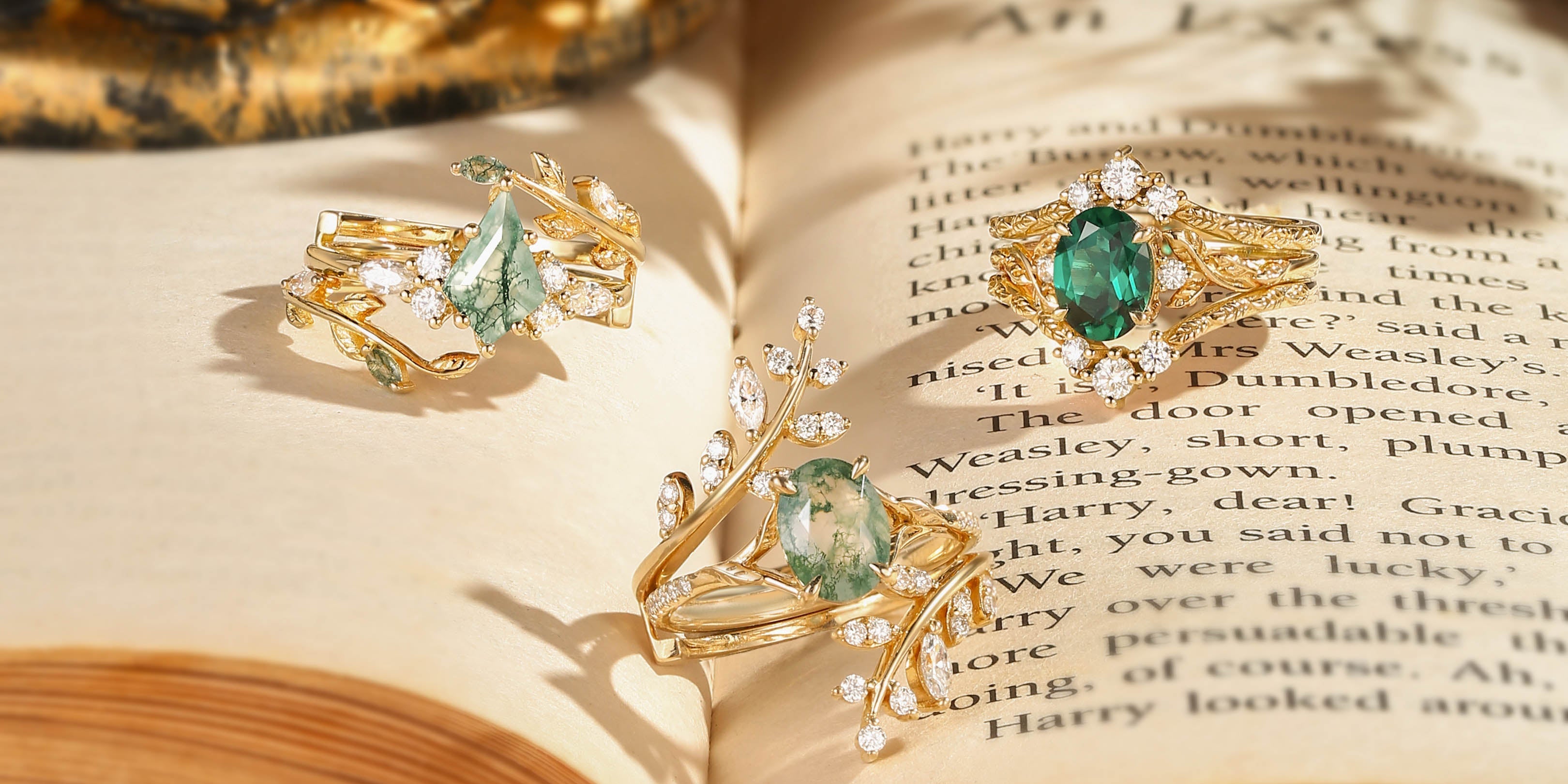
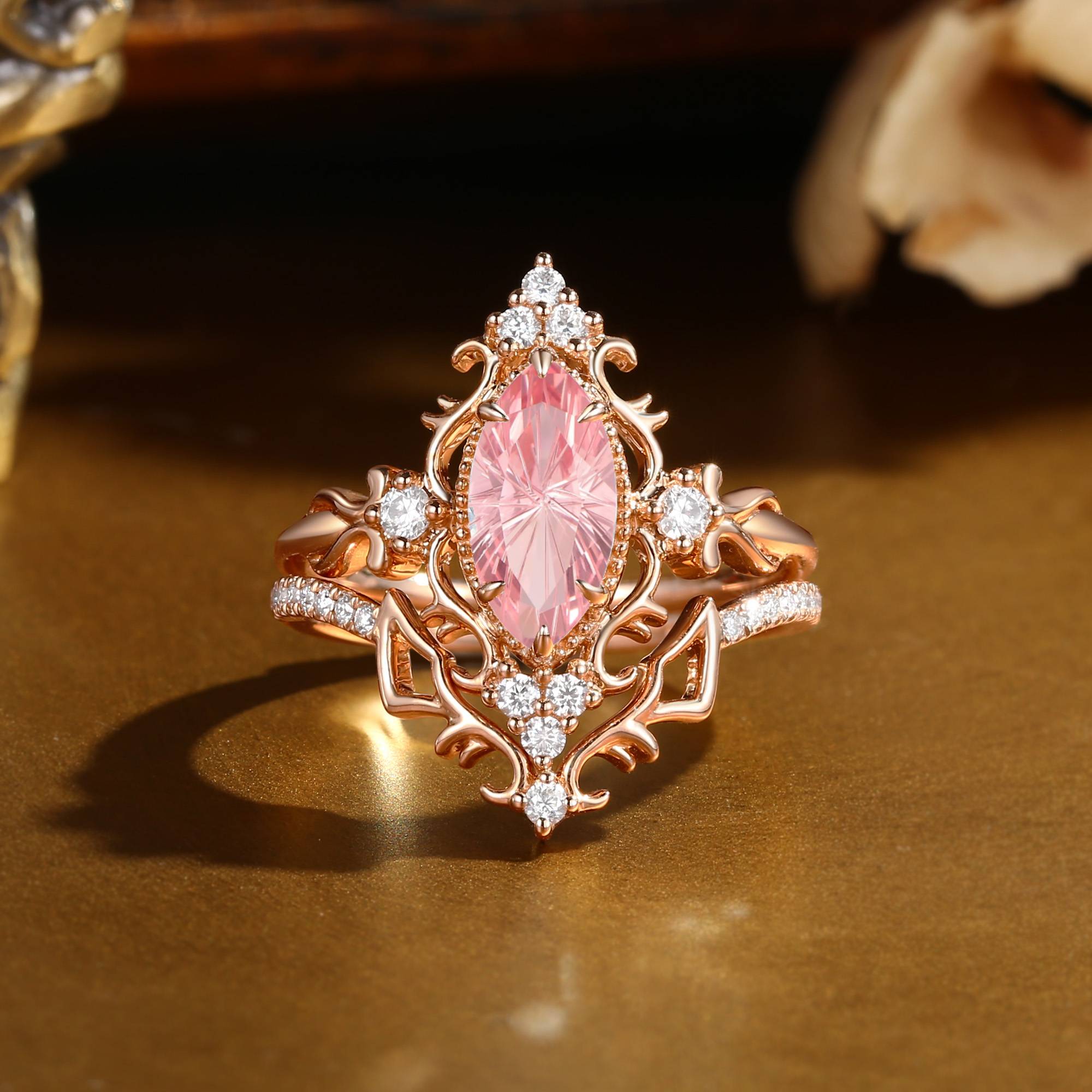
You've browsed through our engagement ring collection, scrolled past delicate leaf motifs and vine-wrapped bands, and finally found it — the one that made you stop. But something nags at you. The band feels a touch too narrow. You'd love a different gemstone. Or maybe you and your partner want rings that share a design language without being carbon copies of each other. Here's the thing: finding a design you love is just the first step. The real magic happens when you adjust the details — the small choices that turn a beautiful ring into your ring. At BlingFlare, every piece in our couple ring collection and beyond is built with customization in mind. Because the best rings don't just look right — they feel right. Found a design you love? Here's how to make it yours. Table of Contents You Found the One—But It's Not Quite "Yours" Yet What Can Be Customized? Customizing Couple Rings How Customization Works at BlingFlare When a Small Change Makes the Biggest Difference Start Making It Yours FAQ You Found the One—But It's Not Quite "Yours" Yet Let's be honest: most people don't need a completely custom ring built from scratch. You already have a starting point — a design that caught your eye, a style that speaks to you. What you're really after is a few targeted adjustments. Maybe you love the vine-wrapped band of the Letitia engagement ring but want a wider band for daily wear. Or you adore a nature-inspired setting but dream of a sapphire instead of a diamond. These aren't major overhauls. They're the kind of thoughtful tweaks that transform a ring from "beautiful" to "unmistakably mine." Custom engagement rings don't always mean starting with a blank page. Sometimes, the right small change is enough to make it yours. Letitia — Marquise Cut Pink Sapphire Leafy Ring Letitia — Leaf Setting Detail Letitia — Marquise Stone & Leaf Detail What Can Be Customized? Here's where customizable engagement rings truly shine. At BlingFlare, the following elements can be adjusted to match your personal style, comfort, and story: Band Width Ring width changes everything — how it feels on your hand, how it pairs with your lifestyle, how it balances with the center stone. Prefer a delicate 2mm band for a dainty look? Need a sturdier 5mm band that can handle daily wear? This is one of the most common ring customization options, and one of the easiest to adjust. Gemstone Love a design but want a different stone? You can swap the center gemstone or adjust specifications like size, cut, or color. Whether you're drawn to the warmth of a pink sapphire, the depth of a blue sapphire, or the classic brilliance of a diamond, your personalized rings should reflect your taste — not just the default option. Metal The metal sets the tone. Warm rose gold, classic white gold, timeless platinum, or rich yellow gold — each choice shifts the entire personality of a custom ring design. We'll help you choose the best metal for your style, skin tone, and the design you've fallen for. Engraving Every BlingFlare ring comes with free engraving. This is where your ring becomes undeniably yours. Add a meaningful date, a set of coordinates where you first met, a short phrase, or a symbol that only the two of you understand. It's a small detail with an outsized emotional impact — and it costs nothing extra. Design Details Within feasible limits, certain design elements can be adjusted — the number of side stones, the pattern of leaf or vine detailing, the setting style, or the overall proportions. Not every modification is possible (structural integrity matters), but our team will work with you to find the closest solution that keeps the design beautiful and wearable. Customizing Couple Rings Custom couple rings are where personalization gets especially thoughtful. Two people, two styles, one shared story. The goal isn't to wear identical rings — it's to wear rings that belong together. Here's how couples typically customize: Different band widths — a slimmer band for one partner, a wider band for the other Different gemstones — each person chooses a stone they genuinely love Different details — one prefers a polished finish, the other a matte or textured look Shared elements — the same leaf motif, vine pattern, or nature-inspired detail runs through both rings, creating a visual connection Matching doesn't have to mean identical. Our Nature-Inspired Couple Ring Set is a perfect example: the same delicate vine wraps around both bands, but each ring can be adjusted in width, metal, and stone to suit the person wearing it. Nature-Inspired Promise Ring Set — His & Hers Nature-Inspired Promise Ring Set — Vine Detail Nature-Inspired Promise Ring Set — Shared Vine Motif The Vine Leaf Pear Moissanite Flower Couple Rings Set offers another approach: pear-cut moissanites framed by vine and leaf detailing. Both rings share the botanical language, but can be customized in metal type and band width to suit each person. Vine Leaf Pear — Moissanite Flower Couple Rings Vine Leaf Pear — Vine & Leaf Detail Vine Leaf Pear — Side Profile How Customization Works at BlingFlare We've kept the custom ring design process straightforward. No confusion, no hidden steps: Find a design you love — Browse our full collection and save or screenshot the ring that speaks to you. Tell us what you'd like to change — Reach out via our customization form or contact page. Share the design, your adjustments (width, gemstone, metal, engraving, etc.), and any questions. Confirm customization, pricing & timeline — We'll review your request, confirm what's possible, provide updated pricing, and give you a clear production timeline. Approve the details and begin production — Once you're happy with the specs, we start crafting. Your custom ring is crafted and shipped — Your personalized ring is made by hand, quality-checked, and delivered to your door. For couples who want meaningful personalization, the Antoinette Hidden Birth Flower Engraved Couple Rings offer a beautiful example — choose your birth flower for engraving, paired with intertwined vine patterns in warm gold. From $2,229, each ring can be uniquely personalized. When a Small Change Makes the Biggest Difference Sometimes the smallest adjustments carry the most meaning. Here are real examples of what people customize: A wider band for a men's ring — The same vine pattern, but scaled up to 5mm for a more substantial feel on a larger hand. Swapping the center gemstone — Falling for a design but wanting a lab-grown diamond, a blue sapphire, or a moissanite instead. Couple rings with shared DNA — Both rings carry the same leaf detail, but one is rose gold with a pink sapphire, and the other is platinum with a diamond. Different, yet connected. Engraving that tells your story — Wedding dates, the coordinates of where you got engaged, a short message in your own handwriting, or a tiny symbol only you two recognize. These aren't minor footnotes. They're the details that make custom wedding bands and engagement rings feel like yours. Start Making It Yours You don't need to start from scratch. You just need to start from what you love — and adjust what matters. Whether you're personalizing engagement rings, customizing couple rings, or adding a meaningful engraving to a design you've admired for weeks, the process is simple and the result is unmistakably yours. Why BlingFlare BlingFlare's design language is rooted in nature — leaves, vines, flowers, and the quiet beauty of the forest. Every ring carries that organic elegance, and every ring is made to be personalized. We believe fine jewelry should feel as individual as the person wearing it. That's why we offer free engraving on every piece, flexible customization options, and a team that genuinely enjoys helping you make a design your own. You Might Also Love • Leaf Rings: A Gift from Nature • Why Couples Favor Nature-Inspired Wedding Rings • Hidden Birthstone Rings: The Secret Detail That Makes Engagement Rings Truly Personal FAQ How long does ring customization take? Most custom orders take 2–4 weeks from design confirmation to shipping. Complex changes or high-demand periods may extend this slightly. We'll provide a clear timeline before production begins. Can I customize the ring width? Yes. Band width is one of the most popular customization options. We can adjust it to anywhere from 1.5mm to 6mm depending on the design and your preference. Can I change the gemstone? Absolutely. You can swap the center stone, adjust the size, or change the gemstone type entirely. We'll help you find a stone that fits both the design and your budget. Can I customize any ring? Most rings in our collection can be customized. Some designs have structural limits, but our team will always let you know what's possible and suggest the closest alternative if needed. Can I see the design before production? Yes. For significant customizations, we provide a design confirmation before crafting begins. You'll have the chance to review and approve all details. Is engraving free? Yes. Every BlingFlare ring includes complimentary engraving. You can add dates, names, coordinates, symbols, or short messages at no additional cost. How do I start the customization process? Simply browse our collection, find a design you love, and reach out through our customization form or contact page. Tell us what you'd like to change, and we'll take it from there.

Two Rings, One Love Story: Meaningful Engraving Ideas for Couples
When most people think of couple rings, they picture two identical bands with the same inscription inside. But here's a more interesting thought: your rings don't have to say the same thing — they just need to tell the same story. At BlingFlare, we've seen couples choose matching designs from our couple ring collection while giving each ring its own personal message. One ring carries her perspective. The other carries his. Together, they form a complete love story that only the two of you fully understand. Whether you're browsing our nature-inspired rings or exploring promise ring sets, the real magic happens on the inside — where a few engraved words turn a beautiful piece of jewelry into something that means everything. Table of Contents Why Different Engravings Can Be More Meaningful Meaningful Engraving Ideas for Couples How to Choose Your Engraving Make Your Ring Story Truly Personal Our Nature-Inspired Couple Ring Set FAQ Why Different Engravings Can Be More Meaningful There's a quiet beauty in two rings that don't match word-for-word but belong to the same chapter of your lives. Matching doesn't mean identical. It means complementary. Think of it like a conversation between two people who know each other deeply — each voice is different, but together they create something that neither could say alone. When you choose different engraving for each ring, you're doing something powerful: you're giving each person their own perspective within a shared story. One ring might hold the date you met. The other might hold the coordinates of where it happened. Separately, they're personal. Together, they're a love letter only you two can read. This kind of meaningful ring engraving becomes a secret language. Your friends might admire the design. But the real meaning — the words inside, the dates, the tiny symbols — stays between you. Meaningful Engraving Ideas for Couples Looking for what to engrave on couple rings? Here are personalized ring engraving ideas organized by style. Each one is designed so the two rings work as a pair — even when they say completely different things. 1. Two Halves of a Sentence Split a single thought across both rings. Each ring is incomplete on its own — but together, they form the whole. Her Ring His Ring Where it began Where we're going You are my today You are my forever I found you I'll never let go The best is yet to come And it started with you My heart knew Before my eyes did This is one of the most popular matching ring engraving ideas because it's simple yet deeply romantic. 2. Date + Place One ring carries the date. The other carries the place. Both pieces of information are needed to tell the full story. Her Ring His Ring 06.15.2023 Santorini, Greece 12.25.2024 Central Park, NYC 03.08.2022 Kyoto, Japan The date alone means something to you. The place alone means something to you. Engraved on your rings, they become permanent markers of the moment your story changed. 3. Lyrics & Movie Quotes Some songs and films hold the exact words you wish you'd written yourself. Split a line between two rings and carry it with you always. Her Ring His Ring Source Look at the stars Look how they shine for you Coldplay – "Yellow" You had me at Hello Jerry Maguire After all this time? Always Harry Potter I'd be lost without My compass Original To the moon And back Classic When choosing song lyrics or quotes for couple ring engraving, pick something that would still mean something to you ten years from now — not just something that sounds good today. 4. Different Languages Say the same feeling in two languages. It's one of the most elegant couple ring engraving ideas for couples with multicultural backgrounds, or anyone who loves the way different languages carry different emotional weight. Her Ring His Ring Meaning Mon cœur My heart French + English Semper amabo Always yours Latin + English La luna The moon Italian + English Mon amour Mi vida French + Spanish 사랑해 Forever Korean + English The contrast between languages adds texture and depth. Each ring speaks in a different voice, but both say "you are everything to me." 5. Coordinates Instead of words, use numbers. Engrave the exact GPS coordinates of the place that changed everything — where you first met, where you got engaged, or where you said "I do." Her Ring His Ring 36.3931° N 25.4615° E 40.7829° N 73.9654° W N 35°41'16" E 139°41'30" Together, the coordinates form a single pinpoint on the map. Separately, they look like abstract numbers — a quiet code only you two understand. This is personalized ring engraving at its most understated and powerful. 6. Complementary Words Sometimes two words are enough. Choose a pair that only makes sense together — like you and your person. Her Ring His Ring Always Forever Sun Moon Roots Wings Anchor Sail Wild Free First Last Short, clean, timeless. Complementary words are among the simplest meaningful ring engraving ideas — but they carry enormous weight when the two words belong to each other. 7. Personal Symbols Not every meaningful engraving has to be words. A tiny symbol — engraved on the inside or etched into the band — can speak volumes. Symbol Meaning 🌿 Leaf or vine Growth, nature, organic love ☽ Crescent moon Mystery, cycles, eternity ✦ Small star Guidance, wonder, destiny ∞ Infinity loop Never-ending ♡ Minimalist heart Love, obviously Tree of life Deep roots, reaching upward BlingFlare's nature-inspired designs already feature botanical details like leaves and vines on the exterior. Adding a small personal symbol inside creates a beautiful contrast — wild and natural on the outside, deeply private on the inside. How to Choose Your Engraving Stuck on what to engrave on couple rings? Start with your story, not with a list of popular quotes. Ask yourselves three questions: 1. What moment do you want to remember?Was it the first date? The proposal? A quiet Tuesday when something small made you realize this was the one? The best engraving ideas come from real memories, not greeting cards. 2. What word belongs only to your relationship?Every couple has that one word, inside joke, or reference that means nothing to anyone else — and everything to the two of you. That's your engraving. 3. What would still mean something years from now?Trends fade. Song lyrics you love today might feel different in five years. The best couple ring engraving is the one you'll still smile at on your 20th anniversary. Here's the truth: the most meaningful ring engraving isn't necessarily the most romantic-sounding one. It's the one that only you two truly understand. A coordinate. A date. A single word. Sometimes the quietest inscriptions carry the loudest meaning. Make Your Ring Story Truly Personal At BlingFlare, our designs are inspired by the natural world — the curves of leaves, the organic lines of vines, the quiet strength of botanical forms. This nature-inspired aesthetic gives every ring a sense of life and movement. Here's how couples make the most of it: Outside: Let the design speak. Leaf patterns, vine details, and botanical textures tell the world you value beauty that grows naturally — not something mass-produced and impersonal. Inside: Add what matters to you. A date. A word. Coordinates. A symbol. A line from "your" song. The inside of the ring is where the story lives. This combination — natural artistry on the exterior, private meaning on the interior — is what makes a BlingFlare ring feel like more than jewelry. Every BlingFlare ring can be engraved at no additional cost, because we believe the most personal part of your love story shouldn't come with an extra price tag. Nature-Inspired Promise Ring Set — Perfect for Engraving Nature-Inspired Promise Ring Set — Band Profile Nature-Inspired Promise Ring Set — Botanical Detail Our Nature-Inspired Couple Ring Set If you're looking for couple rings that already tell a story through design, our Nature-Inspired Couple Ring Set is where most couples start. The shared botanical design connects both rings visually — you can see they belong together. But the interior? That's where your engraving goes. A date, a word, coordinates, a tiny leaf symbol. The outside says "we're a pair." The inside says "and this is our story." Browse the full couple ring collection to find the design that feels like you — then make it yours with free engraving. You Might Also Love • Couple Rings for Every Love Story — Gemstone Sets That Mean Something • Couple Rings vs. Promise Rings vs. Engagement Rings: What’s the Difference and Which Should You Buy? • Why Do Couples Favor Nature-Inspired Gemstone Wedding Rings FAQ Can each ring in a couple set have different engraving? Absolutely. Each ring is engraved independently, so you can choose completely different text, dates, symbols, or languages for each one. That's the beauty of it — two rings, two messages, one shared story. Is engraving really free? Yes. Every BlingFlare ring can be engraved at no additional cost. We believe personalization should be part of the experience, not an upsell. How many characters can I engrave? Most BlingFlare rings support up to 20–25 characters per ring, depending on the ring width and font size. Symbols and spaces count as characters. Our team will confirm if your chosen text fits before production. Can I engrave in Chinese or other non-Latin characters? Yes. We support engraving in Chinese, Japanese, Korean, and most other character sets. Keep in mind that non-Latin characters may use more space per character, so shorter messages work best. Can I add a symbol or coordinates instead of text? Yes. You can engrave small symbols (hearts, stars, leaves, infinity signs) or GPS coordinates. Coordinates are a popular choice for marking the location of a first meeting, proposal, or wedding. Can we use a quote or song lyric? Of course. Short quotes and song lyrics are among the most popular engraving choices. Just keep it within the character limit — if the full line is too long, consider splitting it between the two rings. Can we engrave a fingerprint or handwriting? Currently, BlingFlare offers text, number, and standard symbol engraving. Fingerprint or custom handwriting engraving is not yet available, but we're exploring it for future collections. Contact our team for updates.

Matching Rings That Tell Your Story: Nature-Inspired Couple Ring Ideas
Matching rings have always been about connection — two people, two hands, one shared story. But the idea of what "matching" means has evolved. It's no longer about identical bands or mirror-image designs. Today's couples are choosing nature-inspired couple rings that complement each other, that carry personal meaning, that tell a story only they fully understand. A vine wrapping around one ring, a crescent moon cradling the stone in another. Leaves that echo across two bands but in different patterns. These are matching rings that don't just look beautiful together — they mean something together. At BlingFlare, nature has always been the starting point. The curve of a leaf, the weave of a vine, the eternal dance of stars and the moon — these organic forms carry symbolism that resonates with couples building a life together. Whether you're drawn to Celtic knots that represent unbreakable bonds, botanical details that speak to growth and new beginnings, or celestial motifs that symbolize connection and guidance, nature offers an endless vocabulary for expressing what makes your relationship yours. Table of Contents What Does "Matching" Really Mean? Nature Symbols and Their Meaning Pairing Inspiration: Moon & Star Pairing Inspiration: Celtic Knot Pairing Inspiration: Vine & Botanical Pairing Inspiration: Matching Hidden Details From Matching Rings to Matching Wedding Bands How to Make Matching Rings Personal FAQ What Does "Matching" Really Mean? For decades, matching couple rings meant choosing the same design in two sizes. But that approach misses what makes relationships interesting: the differences. The way two people can share the same values but express them differently. Same design, different details. You might both love leaf-inspired rings, but one prefers a bold vine wrapping while the other chooses delicate leaves scattered along the shank. The motif connects you; the execution reflects individual style. Complementary designs. One ring features a crescent moon; the other, a star. Separately, they're beautiful. Together, they complete a story about connection and guidance — two people sharing the same sky. Same gemstone, different settings. You both love emeralds, but one wants vintage-inspired botanical details while the other prefers a clean, modern bezel. The stone unites you; the setting lets each personality shine. Shared hidden details. Maybe the matching element isn't visible at all. Perhaps it's a birthstone hidden beneath the center stone, or an engraving on the inner band that only the two of you know is there. This is the philosophy behind unique couple rings at BlingFlare: matching doesn't mean identical. It means your rings speak the same language. Nature Symbols and Their Meaning Nature-inspired jewelry isn't just decorative — it's symbolic. Every leaf, vine, moon, and knot carries meaning that has evolved over centuries. When you choose a nature-inspired design for your couple rings, you're embedding that symbolism into your relationship: Symbol Meaning Perfect For Vine Growing together, intertwining lives, enduring strength Couples who see their relationship as a living, growing thing Leaf Growth, new beginnings, resilience, renewal Couples starting a new chapter — engagement, marriage, a fresh adventure Moon & Star Connection, guidance, constancy in change Couples who feel like they navigate life together, guiding each other Sun & Moon Different but complementary, balance, yin and yang Couples with contrasting styles or personalities that complete each other Celtic Knot Eternal connection, no beginning and no end, unbreakable bonds Couples who believe in forever — relationships built to last These symbols aren't rigid rules — they're starting points. The meaning you assign to them is what matters. Maybe a vine represents the way your lives have grown together. Maybe a moon and star remind you of the night you first met under a clear sky. The symbolism is yours to define. Pairing Inspiration: Moon & Star The moon and stars have danced together across the night sky for as long as humans have looked up and wondered. For couples, this celestial motif represents connection across distance, guidance through uncertainty, and the quiet reassurance that you're never navigating life alone. The Estelle Star & Moon Sapphire Couple Rings capture this symbolism perfectly. Designed as a pair, one ring centers around a crescent moon motif, the other around a star. The sapphires represent loyalty and wisdom. Priced from $1,888 – $4,599, the Estelle set is for couples who want their rings to tell a story about constancy and shared direction. Pair the Estelle set with the Mirabelle Star Moissanite Couple Rings Set for a celestial theme in solid gold. The Mirabelle features star-set moissanites in an eternity band design — $2,399 – $5,999 — ideal as a promise ring, wedding band, or anniversary gift. The star motif represents guidance and infinite connection. Estelle — Star & Moon Sapphire Couple Rings Estelle — Moon & Star Detail Estelle — Side Angle with Sapphire Accents Mirabelle — Star Moissanite Couple Rings Set Mirabelle — Star Setting Detail Mirabelle — Eternity Band Profile Pairing Inspiration: Celtic Knot Celtic knots have no beginning and no end. They symbolize eternity, interconnection, and the unbreakable bonds of love. For couples who believe in forever — not as a romantic ideal but as a commitment built day by day — Celtic knot designs carry a weight that simpler motifs can't match. The Brigid Celtic Knot Crescent Moon Round Cut Sapphire Engagement Ring combines two powerful symbols: the eternal knot and the crescent moon. The round-cut sapphire represents loyalty and wisdom, while the Celtic trinity knot speaks to love bound in unbreakable connections. From $1,199, the Brigid carries centuries of symbolism. Pair the Brigid with the Holly Leaf Nature-Inspired Shield Cut Moissanite Celtic Knot Couple Rings Set. The holly leaf represents protection and foresight, while the shield-cut moissanite brings brilliance and strength. At $2,889.99 – $7,189.99, this set feels like an heirloom — pieces that carry tradition while remaining personal. Available in 10k, 14k, 18k gold or platinum. Brigid — Celtic Knot & Crescent Moon Sapphire Ring Brigid — Celtic Trinity Knot Detail Brigid — Side Profile with Moon Motif Holly Leaf — Celtic Knot Couple Rings Set Holly Leaf — Shield Cut Moissanite Detail Holly Leaf — Side Angle with Knot Work Pairing Inspiration: Vine & Botanical Vines and botanical details speak to growth — the way a relationship evolves, putting down roots, reaching toward the light. For couples who see their love as a living thing, vine-inspired rings carry a quiet poetry. If there's one set that captures the essence of earth-inspired couple rings, it's the Adrienne Nature Black Gold Oval Cut Moss Agate Couple Ring Set. The oval-cut moss agate looks like a tiny landscape frozen in stone — green inclusions that resemble leaves, ferns, or moss. The black gold setting adds an earthy contrast that makes the patterns pop. Priced from $3,099 – $7,799, the Adrienne is a statement of organic beauty. The Vine Leaf Pear Moissanite Flower Couple Rings Set captures the vine spirit with vine and leaf motifs wrapping around pear-cut moissanites. Priced from $2,399 – $5,399, this set symbolizes the eternal bond between two people. For couples who want color and vintage charm, the Elara Deep Blue Enamel Floral Vine Couple Ring Set offers something distinctive. The deep blue enamel symbolizes loyalty and enduring harmony, alongside golden vine details. Priced from $2,159 – $6,159, the Elara has a vintage quality that feels both timeless and romantic. If you're drawn to natural inclusions, the Léonie Oval Cut Moss Agate Leafy Couple Ring Set is stunning. Moss agate looks like tiny landscapes trapped in crystal. The oval-cut center stone (6×8mm) is framed by leafy details and moissanite accents (D color, VS-VVS clarity, 0.25ct total weight). Women's band: 1.6mm; men's: 5mm. Priced from $3,399 – $8,599. Adrienne — Black Gold Moss Agate Couple Ring Set Vine Leaf Pear — Moissanite Flower Couple Rings Elara — Deep Blue Enamel Floral Vine Set Léonie — Oval Cut Moss Agate Leafy Set These leaf couple rings and vine-inspired designs are perfect for couples who want their rings to feel alive — pieces that grow in meaning as your relationship grows. Pairing Inspiration: Matching Hidden Details Sometimes the most meaningful matching element is the one no one else sees. Hidden details — birthstones, engravings, secret messages — turn beautiful rings into deeply personal ones. The Antoinette Vintage Hidden Birth Flower Engraved Promise Anniversary Couple Rings take this idea literally. The design features intertwining vines and vintage warm gold, but the real magic is the customization: you can choose your birth flower for engraving. Imagine your partner's birth flower hidden inside the band, visible only when the ring is removed. Priced from $2,229 – $6,539, the Antoinette is ideal as a promise ring, anniversary band, or wedding band. Antoinette — Hidden Birth Flower Engraved Rings Antoinette — Vintage Vine & Warm Gold Detail Antoinette — Side Angle with Engraving Hidden details extend beyond flowers: you could engrave coordinates of where you met, a phrase that means something only to you, or a small birthstone set into the inner band. These are the personalized couple rings that carry the most meaning — because the most important parts of your story don't need to be visible to everyone. From Matching Rings to Matching Wedding Bands The journey from dating to marriage is often marked by rings — promise rings, engagement rings, and finally, wedding bands. But the nature-inspired designs you fall in love with don't have to be left behind when you say "I do." At BlingFlare, the same organic motifs that make beautiful couple rings also make stunning matching wedding rings. The Abella Sapphire & Emerald Promise Couple Matching Wedding Bands feature two different gemstones — sapphire for loyalty, emerald for hope — united in a single design language. From $1,999, the Abella works as both a promise ring and a wedding band. For couples who prefer botanical details, the BlingFlare Vintage Leafy Moissanite Matching Wedding Band offers vintage-inspired leaf details and moissanite accents (D color, VS-VVS clarity). From $1,099, this band complements any nature-inspired engagement ring. If you want something bolder, the Nature-Inspired Oak Leaf Moss Agate Matching Wedding Band Set combines oak leaf motifs with natural moss agate beads. Oak represents strength and endurance. Priced from $1,999 – $4,199, this set is for couples who want their wedding bands grounded in the natural world. Abella — Sapphire & Emerald Wedding Bands Vintage Leafy Band — Moissanite Matching Wedding Band Oak Leaf Moss Agate — Matching Wedding Band Set These matching wedding bands prove that the nature-inspired language you fall in love with in your couple rings can continue into your marriage — a reminder that growth, connection, and beauty are lifelong journeys. How to Make Matching Rings Personal Choosing a design is just the beginning. The real magic happens when you personalize your rings to reflect your specific story: Engraving. Dates, initials, coordinates, short phrases — engraving turns a beautiful ring into a meaningful one. Consider the inside of the band for a private touch. Birthstones. Incorporate your partner's birth month gemstone. It could be the center stone, an accent, or a hidden detail inside the band. Matching symbols. Choose a nature motif that resonates — vines for growth, leaves for new beginnings, moon and stars for guidance, Celtic knots for eternal connection. Different metals. You don't have to choose the same metal. Maybe one loves warm yellow gold while the other prefers cool platinum. That's not a mismatch — it's individual style within a shared design language. Hidden gemstones. Tuck a birthstone beneath the center stone or inside the band. It's a detail only you two know about. Custom details. Work with BlingFlare to add personalized elements — a specific leaf pattern, a star motif referencing a constellation significant to your relationship. The possibilities are as endless as your story. At BlingFlare, every piece is handmade to order, which means there's room for customization within many designs. Whether you're drawn to Celtic knots, vine details, leaf motifs, or moon and stars, your rings can be tailored to reflect the qualities that make your relationship yours. Reach out to the team to explore your options. The best matching rings don't just look good together — they mean something together. They're a daily reminder that you chose each other, that you're building something together, that your story is still being written. And every time you glance at your hands, you see not just rings, but the living, growing, enduring love they represent. FAQ Do matching rings have to be identical? No. Matching rings can share design elements — like a nature motif, gemstone, or metal — while still reflecting individual styles. Many couples choose complementary designs rather than identical ones, allowing each person's personality to shine while maintaining a visual connection. Can we choose different gemstones for our matching rings? Absolutely. Different gemstones can represent different qualities or birth months, creating a pairing that's meaningful to both of you. For example, one ring might feature a sapphire for loyalty while the other features an emerald for hope. What if we have completely different styles? Different styles can still create a cohesive pairing. Look for shared elements — like a nature motif, metal type, or design language — that connect the rings even if the overall aesthetic differs. Can our matching rings become wedding bands later? Yes. Many couples start with promise rings or couple rings that later transition into wedding bands. Nature-inspired designs are especially versatile because organic motifs carry timeless meaning that deepens over time. Do you engrave matching rings? Yes. Engraving is a beautiful way to personalize matching rings. You can add dates, initials, short phrases, or even birth flower designs. Some couples choose to engrave the inside of the band for a private touch. Which nature symbol should we choose for our rings? Choose a symbol that resonates with your relationship. Vines represent growing together; leaves symbolize new beginnings; moon and stars speak to connection and guidance; Celtic knots represent eternal, unbreakable bonds. The "right" symbol is the one that feels most meaningful to the two of you. Can we customize a matching ring set? Yes. BlingFlare offers customization options for many designs. You can adjust metal type, gemstone selection, engraving, and other details. Handmade to order means there's room for personalization — contact BlingFlare to discuss your vision. How long does it take to create a custom matching ring set? Custom timelines vary depending on design complexity and materials. Because each piece is handmade to order, it's best to contact BlingFlare directly for specific timeline information. The team can provide details on lead times and help you plan accordingly. You Might Also Love Leaf Rings: A Gift from Nature Why Couples Favor Nature-Inspired Wedding Rings Hidden Birthstone Rings: The Secret Detail That Makes Engagement Rings Truly Personal

Couple Rings vs. Promise Rings vs. Engagement Rings: What’s the Difference and Which Should You Buy?
A ring is one of the most universal symbols of commitment — but not every ring says the same thing. Couple rings, promise rings, and engagement rings each carry their own meaning, their own timing, and their own place in the story of a relationship. Getting the difference right matters, because the ring you choose should match exactly where you are together right now. At BlingFlare, nature-inspired designs — leaf engravings, botanical vine work, crescent moon motifs — tell stories about growth, connection, and two lives intertwined. Whether you're shopping for couple rings, searching for the right engagement ring, or trying to figure out what a promise ring really means, this guide has you covered. The differences between couple rings vs. promise rings vs. engagement rings come down to meaning, timing, and intention. Below, we break down what each ring represents, when it's the right choice, and how they compare in design and budget — with twelve nature-inspired designs from BlingFlare and an honest case for why fine-jewelry couple rings are worth the investment. Table of Contents Couple Rings, Promise Rings, and Engagement Rings: What Each One Means Which Ring for Which Stage of Your Relationship? Couple Rings vs. Promise Rings vs. Engagement Rings: Side-by-Side Featured Designs: 12 Rings for Every Stage of Love Why a Fine-Jewelry Couple Ring Is Worth It How to Match Couple Rings FAQ Couple Rings, Promise Rings, and Engagement Rings: What Each One Means Couple Rings: A Symbol of Togetherness Couple rings are matching or complementary bands exchanged between two people in a committed relationship. They don't carry the weight of a marriage proposal — instead, they celebrate the everyday beauty of being together. Rooted in East Asian culture and increasingly popular worldwide, couple rings are a visible reminder that you belong to each other. Some couples exchange them on an anniversary. Others mark a milestone — moving in together, finishing a long-distance chapter, or simply deciding that this relationship is real. The Nature Inspired Promise Ring Set by BlingFlare, for instance, is designed as a pair — solid gold bands with organic texturing that symbolize the bond between two people. There's no proposal involved. There's just love, made visible. Promise Rings: A Commitment to the Future A promise ring sits in that meaningful space between "we're serious" and "we're ready for engagement." It represents a commitment — to each other, to the relationship's future, to the idea that what you're building is worth protecting. The promise ring meaning varies: for some, it's a vow to stay devoted through a long-distance chapter; for others, it's a precursor to engagement, a way of saying "I'm choosing you, and I'm planning for us." Promise rings tend to be more personal and symbolic than engagement rings — they're not bound by the center-stone tradition. BlingFlare's Nature Inspired Leaf Promise Ring Set features delicate leaf engravings symbolizing a bond growing stronger with time, while the Green Enamel Promise Ring Set uses green enamel — a color representing growth, renewal, and harmony. Engagement Rings: The Promise of Marriage An engagement ring is the clearest signal of all: it says "I want to marry you." Given during a proposal, it represents a formal commitment to marriage. Engagement rings traditionally feature a prominent center stone, and the design tends to be more formal and statement-making. That said, "traditional" doesn't have to mean "generic." BlingFlare's Brigid Engagement Ring features a round-cut sapphire cradled by a crescent moon setting, with Celtic trinity knot work wrapping the band — "eternal love, bound in unbreakable knots." Starting from $1,199, it shows that meaningful engagement rings don't require a diamond to feel extraordinary. Which Ring for Which Stage of Your Relationship? There's no universal timeline for relationships, and there shouldn't be. The "right" ring is the one that matches where you and your partner actually are. Here's a general framework: Dating seriously or celebrating an anniversary? Couple rings are your answer. They say "we're together, and I love that" without any pressure about what comes next. In a committed relationship and looking toward the future? A promise ring marks that intention — a way of saying "I'm all in — and I'm thinking about forever" without the formality of an engagement. Ready for the big question? An engagement ring is the classic choice. It carries the weight of a marriage promise, and its design usually reflects that gravity. None of these stages is "better" than the others. They're just different chapters — and each one deserves its own kind of beauty. Couple Rings vs. Promise Rings vs. Engagement Rings: Side-by-Side Couple Rings Promise Rings Engagement Rings Meaning Companionship, love, togetherness Commitment to a shared future Formal promise of marriage Occasion Anniversary, dating milestone, or "just because" Serious commitment, pre-engagement Marriage proposal Usually Sold as a Pair? Yes — matching or complementary sets Often, but can be a single ring No — typically one ring for the proposee Design Style Coordinated bands, shared motifs, nature-inspired details Symbolic, personal, often nature-inspired Formal, center-stone focused, statement-making Budget $1,320 – $7,999 (per pair) $1,199 – $12,059 From $1,199+ Featured Designs: 12 Rings for Every Stage of Love The following BlingFlare designs showcase the range of what's possible — from matching couple ring sets to meaningful promise rings to a breathtaking engagement piece. Each one is crafted in solid gold with nature-inspired details that go beyond trend and into the territory of heirloom. Nature Inspired Promise Ring Set Available in 10K, 14K, or 18K solid gold, the Nature Inspired Promise Ring Set features organic texturing and a design built for everyday wear. $1,799 – $4,599. Estelle — Star & Moon Sapphire Couple Rings The Estelle Couple Rings capture "the eternal dance of stars and the moon" — loyalty and guidance set in solid gold with sapphire accents. $1,888 – $4,599. Diora — Two Tone Moissanite Couple Rings Star Wedding Band Set The Diora Couple Rings blend warm yellow gold with cool white gold, accented by star motifs and moissanite brilliance. $1,579 – $3,779. Nature Inspired Promise Ring Set — Organic Textured Bands Estelle — Star & Moon Sapphire Couple Rings Diora — Two Tone Moissanite Star Wedding Band Set Moss Agate Inlay Engraved Anniversary Promise Couple Rings The Moss Agate Couple Rings share a botanical carving across both bands — like vines growing side by side. Each moss agate inlay is one of a kind. $2,779 – $6,979. Eleanor — Solid Gold Couple Wedding Rings Set The Eleanor Couple Rings are handcrafted in solid gold with a polished finish and unique texturing — two lives joining as one. $3,299 – $7,999. Nature Inspired Leaf Promise Ring Set The Nature Inspired Leaf Promise Ring Set features delicate leaf engravings symbolizing a bond that grows stronger with time. $1,859 – $12,059. Moss Agate Inlay Engraved Couple Rings — Botanical Carving Eleanor — Solid Gold Couple Wedding Rings Set Nature Inspired Leaf Promise Ring Set Green Enamel Promise Ring Set The Green Enamel Promise Ring Set uses green enamel — the color of growth, renewal, and harmony — for a design that feels both fresh and timeless. $2,199 – $5,199. Adelina — Birth Flower Engraved Leaf Promise Rings The Adelina Promise Rings feature hand-engraved birth flowers and trailing vine leaves — "love grows more beautiful with time." $2,519 – $6,699. Aimee — Vintage Twist Matte Floral Vine Moissanite Couple Rings The Aimee Couple Rings feature intertwined twisted bands — two lives woven together — with matte floral vine engravings and moissanite accents. $2,319 – $6,669. Green Enamel Promise Ring Set — Nature Inspired Adelina — Birth Flower Engraved Promise Rings Aimee — Vintage Twist Matte Floral Vine Couple Rings Ruelle — Green Sapphire Hexagon Cut Leaf Engraved Promise Ring Sets The Ruelle Promise Ring Sets pair a hexagonal-cut green sapphire with leaf engravings — growth and commitment in their purest form. $2,389 – $3,689. Vintage Floral Vine Engraved Diamond Wedding Band Set The Vintage Floral Vine Wedding Band Set features hand-carved wildflowers and trailing vines in warm gold — an untamed garden for your finger. $2,259 – $5,659. Brigid — Celtic Knot Crescent Moon Sapphire Engagement Ring The Brigid Engagement Ring cradles a round-cut sapphire in a crescent moon setting, framed by Celtic trinity knot work — "eternal love, bound in unbreakable knots." $1,199 – $1,899. Ruelle — Green Sapphire Hexagon Leaf Promise Ring Sets Vintage Floral Vine Engraved Diamond Wedding Band Set Brigid — Celtic Knot Crescent Moon Sapphire Engagement Ring Why a Fine-Jewelry Couple Ring Is Worth It Let's address the question that's probably on your mind: why spend $1,320 or more on a couple ring set when you can find silver couple rings online for a fraction of that? It's a fair question — and the answer isn't about prestige or brand names. It's about what happens after year one, year five, and year twenty. Solid Gold Doesn't Fade — It Endures Silver tarnishes. Gold plating wears through. A fine-jewelry ring crafted in 10K, 14K, or 18K solid gold stays exactly what it is — decade after decade of daily wear. When you choose solid gold couple rings, you're choosing a material designed to last a lifetime. Quality Gemstones Carry Memory Sapphires, moissanites, and moss agates are durable, meaningful, and uniquely yours. A sapphire ranks 9 on the Mohs scale — surviving decades of everyday wear without losing brilliance. A moss agate inlay is one of a kind; no two stones share the same pattern. These aren't accessories; they're keepsakes that carry the memory of the moment you first put them on. Built for a Lifetime, Not a Season Fine jewelry is engineered for daily wear. Settings are secure, bands are substantial, and the craftsmanship withstands whatever life throws at it. A well-made couple ring doesn't need to be babied — it's built to live alongside you. Skin-Friendly Materials for Everyday Wear Solid gold is hypoallergenic. It doesn't react with skin, doesn't turn fingers green, and doesn't cause irritation — even for sensitive wearers. For a ring worn every single day, that matters. Meaningful Design That Grows With You A nature-inspired couple ring from BlingFlare isn't a trendy accessory — it's designed for a lifetime. The leaf engravings, vine work, and celestial motifs become details you'll appreciate more as years go by. The ring grows richer with meaning. The honest truth: The difference between a BlingFlare couple ring set and a mass-market alternative isn't just price — it's the difference between something you'll wear for a season and something you'll wear for a lifetime. One is a purchase. The other is an investment in a daily ritual. How to Match Couple Rings Matching couple rings doesn't mean the rings have to be identical — it means they should feel connected. Here are four approaches: Same design, different details. Choose the same ring style in different metal colors or widths. One partner might prefer yellow gold; the other, white gold. Complementary designs. Pick two rings that share a design element — the same leaf motif, gemstone, or texture — while reflecting each partner's individual taste. The BlingFlare couple ring collection is designed with this principle in mind. Same gemstone, different settings. Choose the same meaningful stone — a birthstone, a sapphire, a moss agate — set in different cuts or arrangements. Matching engraving or hidden details. Add a shared engraving — a date, initials, or a short phrase — or incorporate a hidden detail only the two of you know about. FAQ What is a promise ring? A promise ring is a ring given as a symbol of commitment between two people in a relationship. It represents a serious intention — often a commitment to the relationship's future — without the formal implications of an engagement. Promise rings are a way of saying "I'm choosing you, and I'm invested in what we're building together." What does a promise ring mean? The promise ring meaning varies by couple, but it generally represents a deep commitment to the relationship's future. For some, it's a vow to stay faithful and devoted. For others, it's a step toward engagement — a way of signaling that marriage is on the horizon. The meaning is ultimately defined by the couple who exchanges the rings. Can you buy only one couple ring? While couple rings are traditionally sold as matching or complementary pairs, there's no rule that says you must buy two. Some people choose to wear a single ring as a personal symbol of their relationship. At BlingFlare, most couple ring designs are available individually or as sets, so you can choose what feels right. Do couple rings have to match exactly? Not at all. Many couples choose identical designs, but just as many opt for complementary styles that share a design element — the same leaf motif, gemstone, or metal finish — while reflecting each partner's individual taste. The goal is connection, not uniformity. What finger does a promise ring go on? Promise rings are most commonly worn on the left ring finger, the same finger reserved for engagement and wedding rings. However, some people choose to wear a promise ring on the right hand to distinguish it from an engagement ring. There's no strict rule — wear it wherever feels most meaningful. Can a promise ring become an engagement ring? Yes. Some couples choose to use the same ring as both a promise ring and an engagement ring, while others upgrade to a new ring when they're ready for engagement. The promise ring's meaning evolves naturally as your relationship grows. Can couple rings be engraved? Yes. Engraving is one of the most popular ways to personalize couple rings. Many jewelers, including BlingFlare, offer engraving services that allow you to add dates, initials, or short phrases inside the band — a simple way to make an already meaningful piece even more personal. How do I choose the right ring size? The most accurate way to determine ring size is to get measured at a local jeweler. You can also use a ring sizer tool at home. Keep in mind that finger size can vary slightly depending on temperature and time of day, so it's best to measure at a normal time when your hands are comfortable. BlingFlare provides a detailed sizing guide on their website. You Might Also Love • Couple Rings vs. Wedding Bands: Understanding the Difference • Couple Rings for Every Love Story • Easy Ways to Find Your Ring Size

Alexandrite Engagement Rings: A Gemstone That Changes With Every Chapter of Love
Some rings sparkle. A rare few seem to live. Alexandrite engagement rings belong to the second category — a green-to-purple color-changing gemstone that shifts its appearance with every light source, every hour of the day, every angle of your hand. It is the only engagement ring stone that genuinely looks different on your wedding day than it does on your tenth anniversary, and that is precisely why couples who choose it never get tired of looking at it. At BlingFlare, we set lab-created alexandrite in cool white gold, frame it with deep black moissanite accents, and wrap it in leaf, moon, and Celtic-knot details — because a stone this alive deserves a setting with a soul. If you have been searching for unique gemstone rings that no one else at the brunch table will be wearing, you have just found your stone. This guide covers everything you need to know before buying an alexandrite engagement ring: why the stone changes color, what it symbolizes, why white gold is its ideal partner, and three BlingFlare designs that show the gem at its most dramatic. Table of Contents What Makes Alexandrite So Extraordinary? The Symbolism: Transformation, Balance, New Chapters Why White Gold Is the Perfect Setting for Alexandrite Black Moissanite Accents: The Dark Romantic Contrast Design Styles That Shine With Alexandrite Three BlingFlare Alexandrite Designs We Love FAQ What Makes Alexandrite So Extraordinary? Alexandrite is famous for one trick no other popular engagement ring stone can match: a dramatic color change. The classic description — "emerald by day, ruby by night" — is not marketing poetry. In daylight or cool LED light, a fine alexandrite reads green to teal. Under warm incandescent or candlelight, the same stone shifts toward raspberry, plum, or deep purple-red. The science behind the magic: alexandrite is a variety of the mineral chrysoberyl, and trace amounts of chromium are believed to be responsible for the way it absorbs light differently across the spectrum. Daylight is rich in blue and green wavelengths, which the stone reflects back as green. Incandescent light is rich in red and yellow wavelengths, which pull the stone toward red and purple. Same ring, two personalities. A few facts that add to the romance: Hard enough for forever. Alexandrite ranks 8.5 on the Mohs scale of hardness — tougher than emerald, close to sapphire — making alexandrite wedding rings a genuinely practical choice for everyday wear. A stone with a name. Alexandrite was first discovered in the Ural Mountains of Russia in the 1830s and was named after the future Czar Alexander II. Its green-and-red colors happened to match Imperial Russia's military colors, which made it an instant aristocratic favorite. The June birthstone. Alexandrite shares the June birthstone honor with pearl and moonstone, which makes it a quietly meaningful choice for June brides — or for anyone born in the month. Genuinely rare in nature. Natural alexandrite with strong color change is one of the rarest gemstones on Earth. That rarity is exactly why BlingFlare works with lab-created alexandrite — the same chrysoberyl chemistry and the same captivating color shift, without the scarcity markup or the mining footprint. The Symbolism: Transformation, Balance, New Chapters Gemstones have carried meaning for centuries, and alexandrite's is unusually honest about what love actually is. Transformation. Alexandrite does not hide its changes — it performs them. For a couple, that is a powerful emblem: love is not a fixed state but a continuous becoming. The stone you wear on the day you say "I do" will look different under the lights of your first apartment, your wedding reception, your anniversary dinner — and it will still be the same stone, the same promise. Growing together is not a threat to a relationship. It is the whole point. Balance. The color change of alexandrite lives in the balance between two kinds of light — the cool clarity of day and the warm intimacy of evening. There is a lesson in that about partnership itself: understanding and companionship are not about one person dominating the light, but about two people learning how to share it. New Chapters. Every shift of color marks a new moment. Alexandrite has become a favorite among couples who see engagement not as an ending of courtship but as the opening line of a longer story — a stone for people who are excited, not anxious, about what comes next. The first time I wore my alexandrite ring to dinner, I gasped mid-conversation — the stone had gone from sea-green to deep violet under the restaurant lights. My husband laughed and said, "It changes its mind, just like you." Now we call it the mood ring. Twelve years married, and it still surprises me.— Danielle M., BlingFlare customer Why White Gold Is the Perfect Setting for Alexandrite A color-changing stone is demanding company for a metal — the wrong setting can flatten its shifts or tint its greens muddy. This is why a white gold alexandrite ring is the connoisseur's choice, and why BlingFlare recommends it. Cool metal, clearer color change. White gold's neutral, silvery tone acts like a clean gallery wall. It reflects light back through the stone without adding warmth of its own, so the green-to-purple transition stays crisp. Yellow gold, by contrast, can pull the stone's daytime color toward olive; rose gold can muddy the reds. White gold simply lets the alexandrite be itself. Minimal, premium, modern. White gold reads as quiet luxury — refined rather than loud. For a stone already doing something extraordinary, that restraint matters. The metal steps back; the color change takes the stage. The result is a modern, sophisticated alexandrite wedding ring that looks intentional rather than decorative. A spotlight, not a costume. Because white gold is visually calm, the center stone becomes the undeniable focal point. In BlingFlare's designs, cool white metal also pairs beautifully with dark accent stones, creating a monochrome frame around the shifting color at the center — more on that below. Black Moissanite Accents: The Dark Romantic Contrast If white gold is the clean canvas, black moissanite is the shadow that gives the painting depth. A black moissanite engagement ring design — dark accents flanking a color-changing center stone — is one of the most striking directions in unique gemstone rings right now, and alexandrite is the ideal stone to build it around. Contrast that amplifies the change. Black is the absence of competing color, which means nothing distracts from the alexandrite's shift. Set a green-to-plum alexandrite beside glossy black stones, and both phases of the color change read more saturated, more intentional, more alive. Mystery and layering. Dark accents give the design a sense of depth — light and shadow, day and night, mirrored in one ring. It is jewelry with a gothic-novel undertone: romantic, a little mysterious, and impossible to categorize. The Dark Romantic / Modern Fantasy aesthetic. Black moissanite paired with a color-shifting center stone and botanical metalwork defines what designers are calling Dark Romantic style — think moonlit gardens, old libraries, fairy tales with strong heroines. It is fantasy without costume, vintage without dust. Design Styles That Shine With Alexandrite Alexandrite's chameleon nature makes it unusually versatile across design languages. Four directions work especially well: Vintage-inspired. The stone's 19th-century Russian origins pair naturally with heirloom detailing — milgrain edges, filigree openwork, and antique silhouettes. If old-world romance is your register, explore BlingFlare's retro filigree designs and Royalcore vintage collection as starting points. Dark romantic. Black accents, oxidized textures, moon and knot motifs — the aesthetic of candlelight and secrets. Alexandrite's evening-red phase was practically made for this mood. Fairy / fantasy. Crescent moons, Celtic knots, firework-cut stones that scatter light like sparks. Alexandrite's color shift gives fantasy designs their "is it enchanted?" quality — browse BlingFlare's fairy rings for the full effect. Nature-inspired. Leaves, vines, and botanical metalwork frame the stone as something discovered in a forest rather than bought in a mall. The leaf ring collection is BlingFlare's signature territory — and a natural home for a June birthstone engagement ring. Three BlingFlare Alexandrite Designs We Love Every BlingFlare alexandrite ring is made to order in 14K or 18K solid gold (yellow, white, rose, or black) or 950 platinum, with lab-created alexandrite at the center. Below, three designs shown in white gold — our recommended setting for maximum color-change drama. Katriel — Kite Cut Lab Alexandrite & Black Moissanite Oak Leaf Ring Unleash your wild side. Katriel sets a kite-cut lab alexandrite — 6x9mm, with the deep purple-dark tone the stone is loved for — into an oak leaf design, flanked by mysterious black moissanites and green sapphires. The oak leaf is not just pretty: it is a nod to lasting love that grows stronger with time, which makes it a quiet match for a stone that symbolizes transformation. Specifications: Center stone: Lab alexandrite, 6x9mm, kite cut (June birthstone) Accent stones: Black moissanites and green sapphires, D clarity, VS-VVS color, 0.35ct total Band: 1.6mm, delicate yet durable Metals: 14K/18K solid gold or 950 platinum (shown in white gold) Price: from $1,359 (14K white gold) to $2,259 (950 platinum) Hortense — Pear Cut Lab Alexandrite Leaf Bridal Set (2 Pieces) Hortense is the full story in one box: a pear-cut lab alexandrite engagement ring and its matching leaf-inspired wedding band, designed to be worn together. The 6x8mm pear center catches light from a long, elegant angle, while moissanite accents (0.5ct total) give the set serious fire. As a bridal set, it is the most complete answer to the alexandrite wedding rings question — the proposal ring and the forever band, already in harmony. Specifications: Center stone: Lab alexandrite, 6x8mm, pear cut Accent stones: Moissanites, D clarity, VS-VVS color, 0.5ct total Band: 1.6mm, delicate yet durable Metals: 14K/18K solid gold or 950 platinum (shown in white gold) Price: from $1,889 (14K white gold) to $3,189 (950 platinum) Briar — Firework Cut Heart Alexandrite Celtic Knot & Moon Ring Set Briar is for the bride who wants symbolism in every millimeter. Its firework-cut heart alexandrite — a BlingFlare signature cut that throws color from every facet — is paired with Celtic knot and moon motifs that evoke vintage charm and old-world mystery. The official word on it says it best: a set that "blends classic craftsmanship with mystical allure, perfect for those who appreciate meaningful, heirloom-inspired jewelry." Specifications: Center stone: Firework cut lab alexandrite, 6mm, heart shape Accent stones: Moissanites, D clarity, VS-VVS color, 0.25ct total Band: 1.6mm, delicate yet durable Metals: 14K/18K solid gold or 950 platinum (shown in white gold) Price: from $1,999 (14K white gold) to $3,499 (950 platinum) Katriel — Kite Cut Lab Alexandrite · Oak Leaf Design · White Gold Hortense — Pear Cut Lab Alexandrite · Leaf Bridal Set · White Gold Briar — Firework Cut Heart Alexandrite · Celtic Knot & Moon · White Gold Design Your Own with BlingFlare Alexandrite is a stone about becoming — so it feels right that your ring can become something entirely yours. At BlingFlare, our nature-inspired engagement ring collection is the starting point, not the finish line: an alexandrite center stone in white gold, black moissanite accents, leaf or botanical details, moon motifs — mixed and matched around your story. If you are imagining a combination we have not made yet, reach out to our team. We would love to hear what your ring should mean. Related Reads The Ultimate Guide to Birthstones: Meaning, History & How to Choose Yours — Alexandrite is June's color-changing birthstone What Is the Firework Cut? The Engagement Ring Cut That Throws Color From Every Angle — the story behind Briar's signature cut The Symbolism Behind Fairy Ring Designs: What Each Element Means — leaves, moons, and knots decoded FAQ Are alexandrite engagement rings durable enough for everyday wear? Yes. Alexandrite ranks 8.5 on the Mohs hardness scale — harder than emerald and only slightly softer than sapphire — and it has no cleavage planes that make it prone to splitting. With normal care, alexandrite wedding rings hold up beautifully to daily life. What does alexandrite look like in different lighting? In daylight and cool white light, alexandrite appears green to teal. Under warm incandescent or candlelight, it shifts toward raspberry, plum, or purple-red. BlingFlare's lab alexandrite leans toward the deep purple-dark tones the stone is prized for, with visible change between light sources. Is lab-created alexandrite real alexandrite? Yes — lab-created alexandrite is chrysoberyl with the same chemistry, crystal structure, hardness, and color-change behavior as mined alexandrite. It is grown above ground rather than mined, which makes it more accessible and traceable. Every BlingFlare alexandrite ring uses lab-created stones. Why choose lab-grown alexandrite instead of natural? Natural alexandrite with strong color change is extraordinarily rare and priced accordingly. Lab-created alexandrite delivers the same optical magic at a realistic price point, with consistent quality and no mining impact — the practical path to a genuine color-change ring. What metal looks best with alexandrite? White gold is our top recommendation: its cool tone keeps the green-to-purple color change crisp and lets the stone stay the focal point. Yellow gold warms the daytime color, and black gold deepens the dark-romantic mood. BlingFlare offers 14K/18K gold in four colors plus 950 platinum. How do I care for an alexandrite ring? Clean with warm water, mild soap, and a soft brush; avoid harsh chemicals and ultrasonic cleaners with questionable settings. Store separately from harder stones to prevent scratches, and have the prongs checked annually — standard good habits for any fine engagement ring.

Hidden Birthstone Rings: The Secret Detail That Makes Engagement Rings Truly Personal
An engagement ring is already one of the most meaningful pieces of jewelry you'll ever wear. But what if it carried a detail so personal, so quietly intimate, that only you and your partner knew it was there? That's the idea behind hidden birthstone rings — a growing trend in personalized engagement rings that transforms a beautiful piece of jewelry into a private love letter. A small gemstone, tucked beneath the center stone, engraved inside the band, or woven into a leaf or vine detail, carries a meaning no one else needs to see. It's your secret. And that's precisely what makes it extraordinary. At BlingFlare, nature-inspired designs — leaf settings, crescent moon details, botanical vine work — already tell stories about growth, eternity, and organic beauty. Adding a hidden birthstone takes that storytelling to another level. Whether you're drawn to the idea of your partner's birth month, a month that marks a milestone in your relationship, or the timeless tradition of "something blue," this guide covers everything you need to know about choosing and designing a hidden birthstone engagement ring. Table of Contents Why Couples Are Choosing Hidden Birthstone Rings The Symbolism Behind Hidden Birthstones Complete Birthstone Chart: All 12 Months Something Blue: The Wedding Tradition Built Into Your Ring Where Is the Birthstone Hidden? Design Options Which Gemstones Work Best for Everyday Wear? Nature-Inspired Designs Perfect for Hidden Birthstones Design Your Own with BlingFlare FAQ Why Couples Are Choosing Hidden Birthstone Rings The shift toward custom engagement rings isn't just about choosing a non-traditional stone or an unusual setting. It's about embedding meaning into every detail of the design. Couples today want rings that don't just look beautiful — they want rings that mean something. A hidden birthstone does exactly that. It's personal. A birthstone connects the ring to a specific person, a specific date, a specific story. It's not a generic symbol — it's yours. It's private. The beauty of a hidden birthstone is that it doesn't announce itself. The ring can look classic, elegant, minimalist from the outside. But close up, or turned inward, there's a detail that belongs only to the two of you. That intimacy is something no visible design element can replicate. It's romantic. Think of it as a secret between partners. Every time you glance at the ring and remember the tiny sapphire under the center stone — your partner's September birthmonth — it's a small, private smile. It's a trend with staying power. Personalized jewelry has been growing for years, but hidden birthstone designs are accelerating. Social media, celebrity engagement reveals, and the broader "quiet luxury" movement all point toward the same thing: meaningful details over obvious statements. A hidden birthstone is the ultimate quiet luxury in jewelry. We wanted our ring to look timeless from the outside, but when I turn mine, there's a tiny green sapphire — his birthstone — set into the inner band. It's our little secret, and I love that no one else knows it's there.— Emily R., BlingFlare customer The Symbolism Behind Hidden Birthstones Partner's Birthstone: A Connection Only You Two Share Choosing your partner's birth month gemstone is the most common — and most romantic — approach. It represents a bond that's as unique as the two of you. The stone isn't just decorative; it's a symbol of the person you chose, the month that brought them into the world, the qualities that gemstone has carried for centuries. A July partner gets a ruby — the stone of passion. A December partner gets turquoise or tanzanite — the stone of good fortune. A June partner gets alexandrite — the stone of change and growth. Each one carries generations of meaning, and when it's hidden inside your ring, that meaning becomes a private conversation between you and your partner. Complete Birthstone Chart: All 12 Months Month Birthstone Symbolism January Garnet Trust & protection February Amethyst Wisdom & calm March Aquamarine Courage & new journeys April Diamond Eternity & commitment May Emerald Growth & hope June Alexandrite / Pearl Change & purity July Ruby Passion & love August Peridot Happiness & new beginnings September Sapphire Loyalty & eternity October Opal / Tourmaline Uniqueness & creativity November Topaz / Citrine Warmth & joy December Turquoise / Tanzanite Good fortune & success This chart is your starting point. Whether you choose your partner's birth month, the month you met, or the month you decided to build a life together — each stone carries a meaning that makes the ring more than jewelry. It becomes a talisman. Something Blue: The Wedding Tradition Built Into Your Ring "Something old, something new, something borrowed, something blue." The Victorian-era rhyme is one of the most recognizable wedding traditions in Western culture. Each item represents a different kind of blessing: continuity, optimism, borrowed happiness, and fidelity. The "something blue" specifically symbolizes loyalty and faithfulness in marriage. For modern brides who want to honor this tradition without wearing a blue garter or blue shoes, a hidden birthstone ring offers an elegant solution. Conceal a blue sapphire or aquamarine inside the band or beneath the center stone, and your ring becomes your "something blue" — permanent, personal, and woven into the very symbol of your commitment. Blue sapphire is especially fitting. It's the September birthstone, a symbol of loyalty and eternity, and one of the most durable gemstones for everyday wear (9 on the Mohs hardness scale). Aquamarine, the March birthstone, brings courage and calm — a beautiful sentiment for the journey of marriage. Where Is the Birthstone Hidden? Design Options The placement of a hidden birthstone is a design decision that affects both the ring's appearance and the intimacy of the detail. Here are the three most popular approaches: 1. Beneath the Center Stone Tucking a small gemstone directly under the main stone — close to the finger — creates a detail that's visible only from certain angles. It's close to the heart, both literally and symbolically. This approach works beautifully with solitaire-style settings where the center stone is elevated, leaving room beneath the setting for a small accent stone. 2. Inside the Band The most private placement possible. A birthstone set into the inner wall of the band is truly hidden — visible only when the ring is removed. This is the ultimate "secret between two people" approach. It works with any band width and doesn't alter the ring's exterior appearance at all. 3. Integrated into Nature-Inspired Details At BlingFlare, many designs feature leaf details, crescent moon elements, and botanical vine work. A hidden birthstone can be woven into these organic elements — a small sapphire nestled in a leaf junction, a tiny alexandrite set where a vine curves. The stone becomes part of the design's natural story rather than an add-on. Which Gemstones Work Best for Everyday Wear? Not all birthstones are equally suited for a ring worn every day. Engagement rings face constant contact, temperature changes, and exposure to water and chemicals. Here's a durability guide for the most popular hidden birthstone options: Gemstone Mohs Hardness Best For Sapphire 9 Excellent — ideal for daily wear, second only to diamond Ruby 9 Excellent — same durability as sapphire (both are corundum) Alexandrite 8.5 Very good — durable enough for everyday wear with normal care Emerald 7.5–8 Good — requires some care; avoid hard impacts Aquamarine 7.5–8 Good — similar to emerald; avoid harsh chemicals Garnet 6.5–7.5 Moderate — better for occasional wear or protected settings Pearl 2.5–4.5 Delicate — not recommended for daily-wear rings Opal 5.5–6.5 Delicate — sensitive to temperature changes and impacts The practical takeaway: If the hidden birthstone will be in a ring worn daily, sapphire and ruby are the safest choices. Alexandrite is a strong alternative. Emerald and aquamarine work well with proper care. Pearl and opal are beautiful but better suited for pendants or earrings that face less wear. Nature-Inspired Designs Perfect for Hidden Birthstones The following BlingFlare pieces showcase the kind of nature-inspired design that creates natural hiding places for meaningful birthstones. Each piece demonstrates how botanical elements — leaves, vines, crescent moons — can frame a center stone while leaving room for personal details. Clarissa — Pear Cut Lab Green Sapphire Leafy Bridal Set The Clarissa bridal set is a two-piece design that wraps nature around the finger. The engagement ring centers a pear-cut lab-grown green sapphire in a leaf-vein setting, while the matching band curves alongside it like a living vine. The leaf detailing creates natural junctions where a small hidden birthstone could nestle — a May emerald or June alexandrite tucked where the leaves meet the band, for example. Specifications: Center stone: Lab green sapphire, 6×8mm, pear cut Accent stones: Moissanites and moss agates, D clarity, VS–VVS color, 0.25ct total weight Band width: 1.6mm Metal: 14K or 18K solid gold or platinum (yellow, white, rose, or black gold) Includes matching curved band Helene — Kite Cut Lab Green Sapphire Crescent Moon & Leaf Engagement Ring The Helene ring combines two of nature's most poetic symbols: the crescent moon and the leaf. A kite-cut lab green sapphire sits at the center, framed by a setting that curves like a crescent moon on one side and extends into delicate leaves on the other. The moon-and-leaf motif creates multiple natural hiding spots for a birthstone — inside the curve of the moon, or where the leaves converge along the band. Specifications: Center stone: Lab green sapphire, 6×9mm, kite cut (1.5ct) Accent stones: Lab emerald, D clarity, VS–VVS color, 0.35ct total weight Band width: 1.6mm Metal: 14K or 18K solid gold or platinum (yellow, white, rose, or black gold) Abrielle — Oval Cut Lab Cornflower Blue Sapphire Vine Fairytale Engagement Ring The Abrielle ring is a fairytale in metal and stone. An oval-cut lab cornflower blue sapphire — a gemstone that embodies the "something blue" tradition on its own — sits in a setting where delicate vine-inspired details wrap gracefully around the band. The vine work creates natural channels and curves that can conceal a birthstone within the organic flow of the design. In white gold, the cornflower blue sapphire reads as classic and elegant; the vine details add a layer of natural romance that makes the ring feel both timeless and deeply personal. Specifications: Center stone: Lab cornflower blue sapphire, 6×8mm, oval cut Accent stones: Moissanites, D clarity, VS–VVS color, 0.25ct total weight Band width: 1.6mm Metal: 14K or 18K solid gold or platinum (yellow, white, rose, or black gold) Clarissa — Pear Cut Lab Green Sapphire · Leaf Bridal Set Helene — Kite Cut Lab Green Sapphire · Crescent Moon & Leaf Setting Abrielle — Oval Cut Cornflower Blue Sapphire · Vine Fairytale Setting · White Gold Design Your Own Hidden Birthstone Ring with BlingFlare At BlingFlare, every piece is designed with nature as the starting point — and nature, by its very character, is full of hidden details. The curve of a leaf, the arc of a crescent moon, the weave of a vine — these organic forms create natural pockets and channels where a birthstone can be concealed as though it grew there. If you're interested in incorporating a hidden birthstone into a BlingFlare design, the team can help you explore options: Leaf-inspired settings — A birthstone nestled where leaves converge Moon-inspired settings — A stone tucked within the crescent curve Botanical elements — A gemstone woven into vine or floral details Inner band placement — A birthstone set into the interior of the band for maximum privacy BlingFlare's engagement ring collection offers a wide range of nature-inspired designs that can be adapted to include your personal birthstone detail. Reach out to the team to discuss your vision — there's no obligation, and the consultation process is designed to help you find the right balance of beauty, meaning, and wearability. Related Reads The Ultimate Guide to Birthstones: Meaning, History & How to Choose Yours The Meaning Behind Gemstone Rings: How to Choose the Perfect Stone 5 Customization Tips for Personalized Gemstone Couple Rings FAQ What is a hidden birthstone engagement ring? A hidden birthstone engagement ring features a small gemstone corresponding to a birth month — concealed in a discreet location such as beneath the center stone, inside the band, or integrated into the ring's decorative details. The stone is a personal touch visible only to the wearer or upon close inspection. Where can a birthstone be hidden in an engagement ring? There are three common placements: beneath the center stone (visible from certain angles), inside the band (visible only when the ring is removed), and integrated into design elements like leaves, vines, or moon motifs. Each placement offers a different level of visibility and intimacy. What birthstone should I choose for my partner? The most common approach is choosing your partner's birth month gemstone. However, some couples choose the month they met, the month of their first date, or another milestone date. The "right" stone is the one that carries meaning for your specific story. Can I add a hidden birthstone to any ring design? In many cases, yes. Nature-inspired designs with leaf, vine, or moon elements naturally create hiding spots for small accent stones. Simpler designs can accommodate inner-band placements. The BlingFlare team can assess whether a specific design can incorporate a hidden birthstone. Are lab-grown gemstones suitable for hidden birthstones? Absolutely. Lab-grown gemstones have the same chemical composition, hardness, and optical properties as their mined counterparts. They're an excellent choice for hidden birthstones — ethically sourced, physically identical, and often more affordable, which matters for small accent stones. How much does it cost to add a hidden birthstone? The cost depends on the gemstone type, size, and placement. Small accent stones (1–3mm) are relatively modest additions. The primary cost factor is the gemstone itself — a small sapphire costs significantly less than a small diamond. Contact BlingFlare for specific pricing based on your design preferences. Can I choose a birthstone that isn't my birth month? Yes. While traditional birthstones are tied to specific months, there's no rule against choosing a stone that carries personal meaning for other reasons — a favorite color, a symbolic quality, or a connection to a shared experience. The meaning you assign to the stone is what matters. Which birthstones are most durable for everyday ring wear? Sapphire and ruby (both 9 on the Mohs scale) are the most durable options for rings worn daily. Alexandrite (8.5) is also very durable. Emerald and aquamarine (7.5–8) require more care. Pearl and opal are too delicate for everyday ring wear and are better suited to pendants or earrings.

Why Meaningful Engagement Rings Are Becoming the New Way to Tell Your Love Story
Your engagement ring is no longer just a symbol of commitment—it's a chapter in your love story, written in metal and gemstone. In 2026, couples are rejecting mass-produced, one-size-fits-all jewelry in favor of meaningful engagement rings that reflect their unique journey, values, and dreams. Whether it's a custom design inspired by your first date, an engraving of a private joke, or a birthstone that honors your heritage, today's engagement rings are deeply personal keepsakes for two people building a life together. This shift isn't just about aesthetics; it's about creating something that carries emotional weight, not just monetary value. If you're searching for a ring that tells your story, start by exploring our Engagement Rings Collection or discover the Clarissa Pear Cut Lab Green Sapphire Leafy Bridal Set, a nature-inspired piece that embodies growth and new beginnings. Table of Contents The Consumer Shift: From "Expensive" to "Meaningful" What Makes an Engagement Ring Meaningful? Why Personalized Engagement Rings Are Growing in Popularity The Symbolism Behind Nature Elements in Jewelry Lab-Grown Gemstones: The Ethical Choice for Meaningful Rings Featured Bridal Sets: Stories in Metal and Stone Frequently Asked Questions Related Reading Quick-Glance Comparison: Our Featured Bridal Sets Not sure which meaningful engagement ring fits your story? Here's a quick comparison of our three featured bridal sets: Product Gemstone Nature Motif Symbolism Best For Clarissa Pear Cut Lab Green Sapphire (6×9mm) Leafy vines Growth, renewal, enduring love Couples who value nature and new beginnings Meriel Oval Cut Cornflower Blue Sapphire Moon & leaves Guardianship, protection, romance Partners who want a ring that feels like a promise of safety Noreen Round Cut Pink Sapphire Crescent moon & twisted band Eternity, dreams, cosmic connection Starry-eyed romantics who believe in forever The Consumer Shift: From "Expensive" to "Meaningful" For decades, engagement rings were marketed primarily on carat weight and price tag. Bigger was better. More expensive meant more love. But that narrative is crumbling. A 2025 survey by The Knot found that 68% of engaged couples now prioritize "personal significance" over "traditional expectations" when choosing an engagement ring. Millennials and Gen Z are leading this charge, treating their rings not as status symbols but as emotional artifacts—pieces that should mean something specific to them, not just to society. What does "meaningful" mean in this context? It means the ring should spark a memory, honor a value, or reflect a shared interest. It might be a gemstone that matches your birth month, a design inspired by a place you fell in love, or a motif that represents your relationship's core theme—growth, protection, adventure, or eternity. At BlingFlare, we've noticed this shift firsthand. Our customers don't just ask about carat size or clarity grade anymore. They ask, "What does this design represent?" or "Can I customize this to include a symbol that matters to us?" That's why we've expanded our collections to include nature-inspired motifs, birthstone options, and customizable elements. What Makes an Engagement Ring Meaningful? A meaningful engagement ring is one that carries a story beyond the jewelry store. Here are the four most common ways couples infuse their rings with personal significance: 1. Custom Design A fully custom engagement ring is the ultimate expression of individuality. Maybe you want a band that mimics the skyline of the city where you met, or a setting that incorporates your partner's favorite flower. Custom design allows you to translate your relationship into a tangible object. At BlingFlare, we offer semi-custom options—our bridal sets can be paired with different gemstones or adjusted to include specific motifs. This flexibility means you can create a ring that feels one-of-a-kind without the custom-design price tag. 2. Engraving Sometimes the most meaningful details are the ones only you can see. Engraving a date, initials, or a short message inside the band turns a beautiful ring into a secret keepsake. Common engraving ideas include: The date of your first date or proposal Coordinates of a meaningful location A short phrase or inside joke Initials or fingerprints 3. Birthstone or Meaningful Gemstone Gemstones have carried symbolic weight for centuries. Choosing a birthstone—yours, your partner's, or even a stone that represents a shared value—adds a layer of meaning. Green sapphire, for instance, symbolizes growth and renewal. Blue sapphire represents loyalty and wisdom. Pink sapphire embodies love and compassion. Our Clarissa set features a lab green sapphire, perfect for couples who see their relationship as a living, growing thing. Our Meriel set uses cornflower blue sapphire, a stone historically associated with protection and faithfulness. 4. Unique Gemstone or Design Element Not everyone wants a traditional diamond. Many couples are choosing colored gemstones, alternative cuts, or nature-inspired settings to make their rings stand out. A pear-cut sapphire, for example, offers a distinctive silhouette that catches the eye and sparks conversation. Clarissa Pear Cut Lab Green Sapphire · Leafy Nature Design · 2pcs Bridal Set Meriel Oval Cut Cornflower Blue Sapphire · Moon & Leafy Design · 2pcs Bridal Set Noreen Round Cut Pink Sapphire · Crescent Moon Twisted Design · Starlit Whispers Collection Why Personalized Engagement Rings Are Growing in Popularity The rise of personalized engagement rings isn't happening in a vacuum. Several cultural and technological shifts are driving this trend: Gen Z and Millennials Reject One-Size-Fits-All These generations grew up in a world of customization—from Spotify playlists to Netflix recommendations. They expect products to adapt to their preferences, not the other way around. A generic engagement ring feels as outdated as a flip phone. Social Media Amplifies Individuality Instagram and Pinterest have turned engagement rings into a form of self-expression. Couples don't just want a ring; they want a ring that photographs well and tells a story when shared online. Unique designs generate more engagement (pun intended) than traditional solitaires. Ethical Consumption Matters More Than Ever Younger couples are hyper-aware of the environmental and humanitarian impacts of their purchases. Lab-grown gemstones, recycled metals, and ethically sourced materials are no longer niche—they're expected. A meaningful ring is one that aligns with your values, not just your aesthetic. The "Experience Economy" Today's consumers prioritize experiences over things. An engagement ring that represents a shared experience—a trip, a milestone, a private moment—feels more valuable than a generic luxury item. Clarissa Pear Cut Lab Green Sapphire · Leafy Nature Design · 2pcs Bridal Set Désirée Oval Cut Lab Emerald · Leafy Branch Design · 2pcs Bridal Set Abrielle Marquise Cut Cornflower Sapphire · Vine Leaf Design · 2pcs Bridal Set Gwyneth Oval Cut Lab Green Sapphire · Twig Leaf Design · 2pcs Bridal Set The Symbolism Behind Nature Elements in Jewelry Nature has always been a rich source of symbolism in jewelry. At BlingFlare, we've noticed that our nature-inspired designs—leafy vines, crescent moons, starry motifs—are among our most popular. Here's what these elements represent: Moon = Protection and Guardianship The moon has long been associated with femininity, intuition, and protection. In many cultures, the moon is seen as a guardian figure, watching over travelers and lovers. A crescent moon design in an engagement ring symbolizes a promise of safety, a vow to protect and nurture the relationship. Our Noreen set features a crescent moon motif, wrapping the pink sapphire in a protective embrace. It's a ring that says, "I will watch over you, always." Leaves = Growth and Renewal Leaves represent growth, resilience, and the cyclical nature of life. A leafy vine design suggests a relationship that is alive, growing, and constantly evolving. It's a reminder that love, like a plant, needs care and attention to flourish. The Clarissa set is adorned with leafy vines, making it the perfect choice for couples who see their relationship as a living thing that grows stronger with time. Stars = Eternity and Cosmic Connection Stars symbolize eternity, destiny, and the infinite. A starry motif suggests that your love is written in the cosmos, that your connection is part of something larger than yourselves. Our Starlit Whispers collection, which includes the Noreen set, embraces this celestial theme. Each piece feels like a fragment of the night sky, captured in metal and gemstone. Lab-Grown Gemstones: The Ethical Choice for Meaningful Rings A truly meaningful engagement ring doesn't just carry emotional weight—it also aligns with your values. That's why lab-grown gemstones are becoming the smart choice for ethical, budget-conscious couples. Ethical and Environmental Benefits Lab-grown gemstones require no mining, which means: No habitat destruction No water contamination from mining runoff No humanitarian concerns associated with some mining operations Complete traceability of origin When you choose a lab-grown gemstone, you're choosing a ring that reflects your commitment to the planet and its people. Affordable Luxury Lab-grown gemstones cost significantly less than their mined counterparts, which means you can: Choose a larger, more impressive stone within your budget Invest in higher-quality settings (platinum, 18k gold) that last longer Have matching sets (engagement ring + wedding band) without breaking the bank At BlingFlare, all our lab-grown gemstones are created using state-of-the-art processes that ensure exceptional clarity, color, and durability. You get the same brilliance and beauty as a mined stone—at a fraction of the cost. Consistent Quality Because lab-grown gemstones are created in controlled environments, they have fewer inclusions and more consistent color than many natural stones. This means your ring will look as beautiful in person as it does in photos. Meriel Oval Cut Cornflower Blue Sapphire · Moon & Leafy Design · 2pcs Bridal Set Helene Round Cut Lab Pink Sapphire · Crescent Moon & Leaf · Engagement Ring Sylvaine Round Cut Blue Sapphire · Crescent Moon & Botanical Leaf · Engagement Ring Brigid Round Cut Cornflower Sapphire · Celtic Knot Moon · Engagement Ring Featured Bridal Sets: Stories in Metal and Stone Let's take a closer look at our three featured bridal sets—each one a unique story waiting to be told. Clarissa: Pear Cut Lab Green Sapphire Leafy Bridal Set Gemstone: Pear cut lab green sapphire (6×9mm) Design: Leafy vine motif, nature-inspired Symbolism: Growth, renewal, enduring love Best for: Couples who see their relationship as a living, growing thing The Clarissa set is for the couple who believes that love is not static—it's dynamic, evolving, and always growing. The leafy vines that wrap around the pear-cut green sapphire suggest a relationship that is alive and thriving. The green sapphire, a symbol of renewal and growth, reinforces this message. This 2-piece bridal set includes an engagement ring and a matching wedding band, designed to fit together like two halves of a whole. It's a ring that says, "Our love is a garden, and we will tend it together." Meriel: Moonlight Fairy Oval Cut Cornflower Blue Sapphire Moon & Leafy Ring Bridal Set Gemstone: Oval cut cornflower blue sapphire Design: Moon and leafy vine motif Symbolism: Guardianship, protection, romance Best for: Partners who want a ring that feels like a promise of safety The Meriel set combines two powerful symbols: the moon (protection) and leaves (growth). The cornflower blue sapphire, a stone historically associated with loyalty and wisdom, adds another layer of meaning. This is a ring for the couple who sees their relationship as a safe harbor, a place of mutual protection and support. The oval-cut sapphire is cradled by a crescent moon motif, while leafy vines extend along the band. It's a design that feels both romantic and protective—a ring that says, "I will watch over you, and we will grow together." Noreen: Crescent Moon Twisted Round Cut Pink Sapphire Bridal Set Gemstone: Round cut pink sapphire Design: Crescent moon and twisted band Symbolism: Eternity, dreams, cosmic connection Best for: Starry-eyed romantics who believe in forever The Noreen set is part of our Starlit Whispers collection, a line inspired by the beauty and mystery of the night sky. The crescent moon motif wraps around the round-cut pink sapphire, creating a design that feels both celestial and intimate. Pink sapphire, a stone associated with love and compassion, adds a romantic touch. The twisted band suggests the intertwining of two lives, two destinies. This is a ring for the couple who believes their love is written in the stars. Noreen Round Cut Pink Sapphire · Crescent Moon Twisted Design · Starlit Whispers Collection Starla Heart Cut Peridot · Winged Star Design · Fairy Collection Nerina Oval Cut Green Moissanite · Three Stone Triangle · 2pcs Bridal Set Nova Marquise Cut Moissanite · Vintage Moon Cluster · Engagement Ring At BlingFlare, We Believe Every Love Story Deserves a Unique Ring At BlingFlare, we don't just sell jewelry—we help couples tell their stories. Our collections are designed to be more than beautiful; they're meant to be meaningful. Whether you're drawn to the growth symbolism of the Clarissa set, the protective energy of the Meriel set, or the cosmic romance of the Noreen set, you'll find a ring that resonates with your journey. We specialize in lab-grown gemstones, which means you can choose a ring that aligns with your values without compromising on beauty or quality. Our bridal sets are designed to be worn every day and treasured for generations. Explore our Engagement Rings Collection to find the ring that tells your story. Frequently Asked Questions What makes an engagement ring meaningful? A meaningful engagement ring is one that carries personal significance—whether through custom design, engraving, birthstone selection, or symbolic motifs. It's a ring that tells your unique love story, not just a generic symbol of commitment. Are personalized engagement rings more expensive? Not necessarily. While fully custom designs can be costly, many jewelers (including BlingFlare) offer semi-custom options that allow you to personalize your ring without the custom-design price tag. Lab-grown gemstones also make personalized rings more affordable. What are the most popular meaningful engagement ring designs? Nature-inspired motifs (leaves, moons, stars), birthstone gemstones, and engraved bands are among the most popular. Couples also choose rings that reflect shared interests, travel memories, or cultural heritage. What does a moon symbol mean in jewelry? The moon symbolizes protection, intuition, and femininity. In engagement rings, a crescent moon motif often represents a promise of guardianship—a vow to protect and nurture the relationship. What does a leaf symbol mean in jewelry? Leaves represent growth, renewal, and the cyclical nature of life. A leafy vine design in an engagement ring suggests a relationship that is alive, growing, and constantly evolving. Are lab-grown gemstones good for engagement rings? Absolutely. Lab-grown gemstones have identical physical properties to mined stones—same hardness, same brilliance, same durability. They're also more affordable and ethically sourced, making them an excellent choice for engagement rings. What is a bridal set? A bridal set is a 2-piece set that includes an engagement ring and a matching wedding band. The two pieces are designed to fit together, creating a cohesive look. Bridal sets are popular because they eliminate the guesswork of finding a matching band. How do I choose a meaningful gemstone for my engagement ring? Consider birthstones, gemstones that represent shared values, or stones that match your partner's favorite color. Green sapphire symbolizes growth, blue sapphire represents loyalty, and pink sapphire embodies love and compassion. Related Reading Couple Rings for Every Love Story — Gemstone Sets That Mean Something How to Choose the Perfect Sapphire Color for Your Engagement Ring Wedding Season 2026: Which Engagement Ring Stone Is Right for You?

Beyond Diamonds: Why Colored Gemstone Engagement Rings Are Trending in 2026
The engagement ring landscape is shifting — and it's more colorful than ever. In 2026, colored gemstone engagement rings have moved from niche alternative to mainstream desire, with searches for sapphire, emerald, and alexandrite engagement rings climbing year over year. Couples are no longer asking "Should we go with a diamond?" but rather "What gemstone tells our story?" In this guide, we'll break down why colored gemstone engagement rings are trending, the symbolism behind the most popular stones, how lab-grown gemstones are making these rings more accessible, and which design styles make colored gems truly shine. Whether you're ring-shopping right now or just dreaming, this is your complete 2026 guide to choosing a colored gemstone engagement ring. Table of Contents Why Couples Are Choosing Colored Gemstones Over Diamonds The Symbolism Behind Popular Colored Gemstones Colored Gemstones vs. Diamonds: A Practical Comparison How Lab-Grown Gemstones Changed the Game Design Styles That Make Colored Gems Shine Featured Rings: Our Top Picks for 2026 Why BlingFlare for Colored Gemstone Engagement Rings Frequently Asked Questions Quick-Glance: Colored Gemstone Engagement Rings at a Glance Gemstone Color Range Mohs Hardness Symbolism Best For Blue Sapphire Deep blue to light blue 9 Loyalty, wisdom, nobility Everyday wear, classic lovers Green Sapphire Olive to emerald green 9 Growth, balance, new beginnings Nature-inspired designs Purple Sapphire Light lavender to deep violet 9 Individuality, romance, uniqueness Statement rings, creative souls Pink Sapphire Blush to hot pink 9 Love, compassion, femininity Romantic, fairy-tale aesthetics Alexandrite Green → purple color-change 8.5 Change, mystery, duality Adventurous spirits Emerald Rich green 7.5–8 Renewal, hope, fertility Vintage and Art Deco styles Ready to see these gemstones in real life? Explore our Forest Fairy Marquise Cut Pink Sapphire Leafy Engagement Ring "Letitia" and Butterfly Wing Forest Fairy Marquise Firework Cut Purple Sapphire Leafy Engagement Ring "Inara" — two of our most beloved colored gemstone rings. Why Couples Are Choosing Colored Gemstones Over Diamonds Let's be honest: the diamond engagement ring tradition was, to a significant degree, a marketing invention. De Beers' "A Diamond Is Forever" campaign, launched in 1947, fundamentally shaped what we thought an engagement ring should look like. But in 2026, that script is being rewritten — and a new generation is holding the pen. The Individuality Factor Gen Z and Millennial couples are prioritizing personal expression over tradition in ways their parents never did. According to multiple industry surveys conducted in early 2026, over 38% of couples under 35 now consider non-diamond gemstones for their engagement ring — up from under 15% just a decade ago. A colored gemstone engagement ring says something. It says, "We didn't default to what was expected. We chose something that reflects us." A green sapphire might speak to a couple who met in a botanical garden. A purple sapphire might channel a partner's love of all things regal and unconventional. Alexandrite — the stone that literally changes color — might represent a love story full of surprising twists. This isn't about rejecting diamonds entirely. Many couples still love diamonds and choose them freely. But the default is shifting. The question is no longer "What size diamond?" but "What stone resonates with our story?" Personal Storytelling Through Stones Beyond aesthetics, colored gemstones offer a rich symbolic language that diamonds, by their transparent nature, simply cannot match. Every color carries centuries of cultural meaning, folklore, and emotional resonance. When you choose a purple sapphire engagement ring, you're not just picking a pretty stone — you're choosing a gem that historically symbolizes wisdom, spiritual awakening, and creative individuality. At BlingFlare, we've seen this firsthand. Many of our customers share deeply personal reasons for choosing their colored gemstone: a birthstone connection, a favorite color, a travel memory tied to a particular hue, or simply a feeling of "this is me" when they first see the stone. That emotional resonance is exactly what makes colored gemstone engagement rings so meaningful. The Social Media Effect It's impossible to discuss this trend without acknowledging the role of social media. TikTok, Instagram, and Pinterest have democratized ring inspiration. Where once a bride-to-be might only have seen the rings in her immediate social circle, today's couples browse thousands of colored gemstone engagement rings from independent jewelers worldwide. Unique gemstone rings go viral. Color-change alexandrite videos rack up millions of views. The visual impact of a vivid green sapphire or a dreamy pink sapphire in golden hour light is inherently shareable — and shareable content drives desire. The Symbolism Behind Popular Colored Gemstones One of the most beautiful things about choosing a colored gemstone engagement ring is the layered meaning behind each stone. Here's a deeper look at the symbolism driving the biggest trends in 2026. Green Sapphire: Growth, Balance, and New Beginnings Green sapphires have surged in popularity over the past two years, and for good reason. Their color — ranging from a soft olive to a vivid emerald-like green — evokes nature, renewal, and forward momentum. In gemological tradition, green sapphires are associated with growth and balance. They're thought to promote emotional stability, encourage new beginnings, and deepen one's connection to the natural world. For a couple embarking on marriage — itself a journey of growth — a green sapphire engagement ring carries a beautifully fitting symbolism. According to GIA data, natural green sapphires owe their color to trace amounts of iron and, occasionally, vanadium. Lab-grown green sapphires share the same chemical composition and crystal structure, but offer more consistent color saturation at an accessible price point. Clarissa - Pear Cut Lab Green Sapphire Leafy Bridal Set 2pcs Hesper - Filigree Leafy Pear Firework Cut Green Sapphire Engagement Ring Forest Fairy Marquise Firework Cut Green Sapphire Leafy Inspired Bridal Set 2pcs - Fae Purple Sapphire: Individuality, Romance, and Uniqueness If green sapphires are for the grounded romantic, purple sapphires are for the bold dreamer. Purple sapphires span a breathtaking range — from soft lavender to deep violet — and each shade carries connotations of individuality, spiritual depth, and creative romance. What does purple sapphire symbolize? Throughout history, purple has been the color of royalty, mysticism, and artistic vision. A purple sapphire engagement ring signals that the wearer marches to their own beat — gracefully, unapologetically, and with impeccable taste. The trace elements of iron and titanium that create purple sapphire's color are the same as those in blue sapphire; it's the specific ratio and heat treatment conditions that produce the purple hue. In lab-grown form, purple sapphires can be cultivated with remarkable color consistency — meaning you can find that perfect shade of violet without the natural-stone lottery. Forest Fairy Marquise Cut Lavender Sapphire Leafy Inspired Bridal Set 2pcs - Fae Butterfly Wing Forest Fairy Marquise Firework Cut Purple Sapphire Leafy Engagement Ring - Inara Swan Princess- Firework Portrait Cut Purple Sapphire Vintage Relief Bridal Set 2pcs Alexandrite: The Stone of Change and Mystery Alexandrite is arguably the most mesmerizing gemstone on the market. Its signature trait? A dramatic color change — green or bluish-green in daylight, shifting to raspberry purple or red under incandescent light. It's like wearing two gemstones in one. This color-change phenomenon is caused by the complex way alexandrite absorbs light, a property of its chromium content within the chrysoberyl mineral family. Natural alexandrite is exceptionally rare (and expensive), but lab-grown alexandrite provides the same stunning color-shift effect at a fraction of the cost. Symbolically, alexandrite represents duality, adaptability, and mystery — perfect for a couple whose love story defies simple categorization. It's a conversation starter, a head-turner, and a daily reminder that beauty comes in many forms. Hortense - Leaf Nature Inspired Pear Cut Lab Alexandrite Engagement Ring Set 2pcs Lab Alexandrite & Black Moissanite Kite Cut Dark Purple June Birthstone Leaf Engagement Ring - Katriel Isabella - Marquise Cut Alexandrite Moon & Flower Anniversary Ring Set 2PCS Colored Gemstones vs. Diamonds: A Practical Comparison Let's address the elephant in the room: how do colored gemstones stack up against diamonds for everyday wear, durability, and long-term beauty? Durability For engagement rings, durability matters. You're wearing this ring every day — through cooking, cleaning, gym sessions, and toddler snuggles. The Mohs hardness scale is the standard reference: Diamond: 10 (hardest natural material) Sapphire (all colors): 9 (excellent for daily wear) Alexandrite: 8.5 (very good, slightly more careful wear recommended) Emerald: 7.5–8 (beautiful but more fragile; best in protective settings) Are sapphire engagement rings durable enough for everyday wear? Absolutely. At Mohs 9, sapphires are second only to diamonds in hardness. GIA confirms that sapphire's toughness and scratch resistance make it one of the best-colored gemstone choices for engagement rings. Color Palette This is where colored gemstones truly outshine diamonds. A diamond's beauty lies in its brilliance and fire — how it reflects and refracts white light. But if color is what makes your heart sing, a diamond's palette is inherently limited. Colored gemstones offer virtually unlimited options. Want a ring that matches your eyes? A blue sapphire. Want something that echoes the wildflowers from your proposal spot? A green or purple sapphire. Want a ring that literally changes color throughout the day? Alexandrite. Uniqueness Diamond engagement rings, while classic, are incredibly common. If having a one-of-a-kind ring matters to you, colored gemstones offer an almost infinite design space. Two sapphire engagement rings can look completely different based on cut, shade, setting style, and accent stones. Value Colored gemstones — particularly lab-grown options — generally offer more carat-per-dollar than diamonds. This means you can choose a larger stone, a more elaborate setting, or invest in premium metal work without stretching the budget. How Lab-Grown Gemstones Changed the Game Lab-grown gemstones are not "fake." They are chemically, physically, and optically identical to their mined counterparts. The only difference is their origin: grown in a controlled laboratory environment rather than extracted from the earth. Why This Matters for Colored Gemstones For colored gemstones specifically, lab-grown options solve several challenges that have historically limited the market: 1. Consistent Color: Natural colored gemstones are notorious for color inconsistency. Two "natural purple sapphires" might look dramatically different. Lab-grown stones allow precise control over trace elements, producing consistent, saturated colors batch after batch. 2. Ethical Sourcing: Lab-grown gemstones eliminate concerns about mining practices, environmental impact, and supply-chain transparency. For ethically conscious couples — a growing demographic in 2026 — this matters deeply. 3. Affordability: Lab-grown sapphires, alexandrites, and other colored gemstones typically cost 50–80% less than comparable natural stones. This makes vivid, high-quality colored gemstone engagement rings accessible to a much wider audience. 4. Quality Control: Lab environments allow growers to minimize inclusions, optimize clarity, and ensure structural integrity. The result? Gemstones that are not only beautiful but built to last a lifetime. At BlingFlare, every colored gemstone in our collection is lab-grown — because we believe that ethical sourcing, consistent quality, and accessible pricing shouldn't be compromises. They should be the standard. Design Styles That Make Colored Gems Shine A colored gemstone is only half the story. The setting and design style are what truly bring the stone to life. Here are the three most popular design directions for colored gemstone engagement rings in 2026. Nature-Inspired Designs There's an intuitive harmony between colored gemstones and nature-inspired settings. A green sapphire set among delicate gold leaves feels like a tiny forest captured in metal. A pink sapphire surrounded by vine-like filigree evokes a garden in bloom. Nature-inspired designs work particularly well with colored gemstones because the stone's color already echoes the natural world. Pairing it with organic motifs — leaves, vines, flowers, branches — creates a cohesive, storybook aesthetic that feels both timeless and deeply personal. Featured Ring: Our Forest Fairy Marquise Cut Pink Sapphire Leafy Engagement Ring "Letitia" is a stunning example. The pink sapphire sits nestled among intricate leaf and vine details, creating a ring that looks like it grew from an enchanted garden. It's romantic, whimsical, and unmistakably unique. Vintage-Inspired Designs Vintage and Art Deco-inspired settings bring a sense of history and craftsmanship to colored gemstone rings. Think milgrain edges, filigree work, geometric halos, and intricate metalwork. These designs pair beautifully with deep, saturated gem colors — a royal blue sapphire in an Art Deco halo, or a rich purple sapphire in an Edwardian-inspired bezel. Vintage-inspired designs also tend to use more metal work, which provides additional protection for the center stone — a practical benefit for colored gemstones that may benefit from a more protective setting. Fairy / Botanical Designs Fairy and botanical designs take the nature-inspired aesthetic a step further, adding whimsical, otherworldly elements. Butterfly wings, fairy silhouettes, mushroom caps, flower buds, and fantasy motifs create rings that feel like they belong in an illustrated storybook. Featured Ring: The Butterfly Wing Forest Fairy Marquise Firework Cut Purple Sapphire Leafy Engagement Ring "Inara" is a masterpiece of fantasy-inspired design. The marquise firework cut purple sapphire is cradled by delicate butterfly wing accents and leafy details, creating a ring that is at once ethereal and bold. It's the kind of ring that makes people stop and stare — in the best possible way. Featured Rings: Our Top Picks for 2026 1. Forest Fairy Marquise Cut Pink Sapphire Leafy Engagement Ring "Letitia" Center Stone: Lab-grown marquise cut pink sapphire Design: Nature-inspired leafy vine setting Metal: Available in 14k yellow gold, white gold, and rose gold Style: Fairy-tale botanical Perfect For: The romantic who dreams of an enchanted forest proposal 2. Butterfly Wing Forest Fairy Marquise Firework Cut Purple Sapphire Leafy Engagement Ring "Inara" Center Stone: Lab-grown marquise firework cut purple sapphire Design: Butterfly wing + leafy forest fairy setting Metal: Available in 14k white gold, yellow gold, and rose gold Style: Fantasy botanical Perfect For: The bold dreamer who wants a ring as unique as their love story Why BlingFlare for Colored Gemstone Engagement Rings? At BlingFlare, we specialize in lab-grown gemstone engagement rings that blend ethical sourcing with extraordinary design. Every ring in our collection is crafted with attention to detail, from the precision of each gem cut to the delicacy of each hand-finished metal element. We believe that choosing an engagement ring should feel exciting, not overwhelming. That's why we offer detailed gemstone guides, transparent information about lab-grown vs. natural stones, and design styles that cater to every aesthetic — from classic solitaires to fantasy botanical masterpieces. Our colored gemstone engagement rings are more than jewelry. They're conversation starters, storykeepers, and daily reminders that love, like color, comes in infinite beautiful variations. Frequently Asked Questions Are sapphire engagement rings durable enough for everyday wear? Yes. Sapphires rank 9 on the Mohs hardness scale, making them the second-hardest gemstone after diamonds. According to GIA, sapphires are excellent choices for engagement rings due to their durability and scratch resistance. They can withstand decades of daily wear with proper care. What does purple sapphire symbolize? Purple sapphire symbolizes individuality, romance, creativity, and spiritual depth. Historically, purple has been associated with royalty and mysticism across many cultures. A purple sapphire engagement ring is a powerful statement of uniqueness and creative spirit. Lab-grown vs. natural gemstone engagement ring — which should I choose? Lab-grown gemstones are chemically, physically, and optically identical to natural stones. The key differences are origin (lab vs. earth), price (lab-grown is typically 50–80% less), and ethical considerations (lab-grown eliminates mining concerns). If ethical sourcing, consistent quality, and value matter to you, lab-grown is an excellent choice. What does a green sapphire engagement ring mean? Green sapphire symbolizes growth, balance, renewal, and new beginnings. Its natural green hue connects it to the natural world, making it a meaningful choice for couples who value nature, personal growth, and fresh starts. Can I get a colored gemstone engagement ring in a custom design? Absolutely. At BlingFlare, we offer customization options for many of our ring designs. You can choose your preferred gemstone, metal type, and design elements to create a ring that's uniquely yours. Contact our team to discuss custom options. What metal color works best with colored gemstones? It depends on the stone and your personal preference. Yellow gold brings warmth and complements green and pink sapphires beautifully. White gold or platinum provides a cool, modern contrast that makes blue and purple sapphires pop. Rose gold adds a romantic warmth that pairs gorgeously with pink and purple stones. Are colored gemstone engagement rings more expensive than diamond rings? Generally, colored gemstones offer more carat-per-dollar than diamonds, especially lab-grown options. A 1-carat lab-grown sapphire typically costs significantly less than a 1-carat lab-grown diamond of comparable quality. This allows you to choose a larger or more vivid stone within the same budget. How do I care for a colored gemstone engagement ring? For sapphires and alexandrite (Mohs 8.5+), standard jewelry care applies: gentle cleaning with warm soapy water, avoiding harsh chemicals, and removing the ring during heavy manual work. For softer stones like emerald, be extra gentle and consider protective settings. Store your ring separately from other jewelry to prevent scratching. Related Reading How to Choose the Perfect Sapphire Color for Your Engagement Ring The Ultimate Guide to Blue Sapphire Care: How to Keep Your Stone Brilliant for a Lifetime Are Lab-Grown Sapphires "Real" Sapphires? The Truth Nobody Tells You

The Ultimate Guide to Blue Sapphire Care: How to Keep Your Stone Brilliant for a Lifetime
Blue sapphire engagement rings have captivated hearts for centuries — from Princess Diana's iconic ring to modern celebrity proposals. But even the world's second hardest gemstone (Mohs 9) needs proper care to maintain its breathtaking brilliance. Whether you've just said "yes" to a stunning blue sapphire ring or are considering one, this complete guide covers everything about blue sapphire care, from daily cleaning to long-term storage. Discover how to clean sapphire jewelry like a pro, understand the differences between Royal Blue, Cornflower Blue, and Teal sapphires, and learn why lab-grown sapphires are becoming the smartest choice for lifetime wear. Plus, explore how the innovative Firework Cut takes sapphire brilliance to the next level. If you're shopping for the perfect blue sapphire engagement ring, start with our Blue Sapphire Collection or browse our Engagement Rings Collection for timeless designs crafted to last generations. Table of Contents Why Blue Sapphire Is the Classic Choice for Engagement Rings Royal Blue vs. Cornflower Blue vs. Teal: Understanding the Shades How Light Affects Blue Sapphire Color The Firework Cut: Maximizing Brilliance in Blue Sapphires How to Clean Sapphire Jewelry: Daily and Deep Cleaning What to Avoid: Common Sapphire Care Mistakes Proper Storage for Sapphire Jewelry Why Lab-Grown Sapphires Excel as Everyday Heirloom Pieces Maintenance Schedule: Keeping Your Sapphire Ring in Peak Condition Frequently Asked Questions Why Blue Sapphire Is the Classic Choice for Engagement Rings Blue sapphire has been the gold standard for engagement rings since Prince Albert presented Queen Victoria with a blue sapphire ring in 1840 — a tradition continued when Prince Charles gave Princess Diana that now-iconic 12-carat oval blue sapphire. Why has this gemstone endured as the ultimate symbol of eternal love? Unmatched Durability: With a Mohs hardness of 9, blue sapphire is second only to diamond, making it ideal for rings worn every single day. Unlike softer gemstones that scratch easily, sapphire withstands decades of daily wear while maintaining its polish and brilliance. Timeless Color: Blue is the world's most popular favorite color, and blue sapphire offers a richness that no other gemstone can replicate. From deep royal blue to delicate cornflower blue, the range of shades ensures every person finds their perfect match. Symbolic Meaning: Throughout history, blue sapphire has represented loyalty, fidelity, and wisdom — exactly the qualities a marriage is built on. Ancient Persians believed the sky was painted blue by the reflection of a giant sapphire upon which the Earth rested. Investment Value: High-quality blue sapphires continue to appreciate in value, especially larger stones with rich color saturation. A well-chosen sapphire ring is both a love token and a wise investment. At BlingFlare, our lab-grown blue sapphires offer all these benefits with the added advantage of ethical sourcing and exceptional value. Explore our Blue Sapphire Engagement Ring Collection to find your forever ring. Royal Blue vs. Cornflower Blue vs. Teal: Understanding the Shades Not all blue sapphires look the same. The three most popular shades each have distinct characteristics that appeal to different tastes and occasions. Feature Royal Blue Cornflower Blue Teal Sapphire Color Profile Deep, saturated blue with violet undertones Medium blue with soft violet hints, velvety appearance Blue-green blend, reminiscent of tropical waters Best Lighting Brilliant indoor light, evening events Natural daylight, outdoor settings Any lighting; shifts dramatically Style Vibe Bold, luxurious, statement-making Romantic, soft, classic elegance Modern, unique, nature-inspired Rarity Highly prized, classic choice Most sought-after shade Increasingly popular, rare finds Best Metal Pairing White gold, platinum White gold, yellow gold White gold, rose gold Skin Tone Match All skin tones, especially rich complexions Fair to medium skin tones Cool undertones, bohemian style Royal Blue Sapphire delivers the deepest, most saturated blue. It photographs beautifully and makes a powerful statement — perfect for those who want maximum impact. Cornflower Blue Sapphire offers a softer, medium-tone blue with a velvety quality that collectors prize. This is the most classic choice for engagement rings and pairs beautifully with vine or floral settings. Teal Sapphire combines blue and green in a way that shifts depending on the light. For the non-traditional bride who wants something truly unique, teal is the perfect choice. Ready to find your shade? Shop our Cornflower Blue Sapphire Collection or our Royal Blue Sapphire Collection. Celtic Knot Crescent Moon Round Cut Sapphire Engagement Ring - Brigid Abrielle - Oval Cut Lab Cornflower Blue Sapphire Vine Fairytale Engagement Ring Marquise Blue Sapphire Filigree Royalcore Wedding Ring - Lois Oval Cut Lab Cornflower Blue Sapphire Vine Fairy Bridal Ring Set 2pcs - Abrielle Drisana - Oval Cut Sapphire Leaf & Flower Enhancer Bridal Set 2pcs Clarissa - Firework Cut Cornflower Blue Sapphire Leafy Bridal Set 2pcs How Light Affects Blue Sapphire Color One of the most fascinating aspects of blue sapphire is how dramatically its appearance changes under different lighting conditions. Understanding this helps you choose the right shade for your lifestyle and ensures your sapphire engagement ring maintenance routine includes proper lighting awareness. Natural Daylight (North-facing): This is the most accurate light for evaluating sapphire color. North-facing daylight reveals the true saturation and tone without warming or cooling the stone. Cornflower Blue sapphires show their signature velvety softness best in this light. Warm Incandescent Light: Indoor lighting with yellow undertones (like traditional bulbs) enhances the violet components in blue sapphire. Royal Blue stones appear even richer and deeper under warm light, making them perfect for evening events. Cool LED/Fluorescent Light: Cool-toned lighting emphasizes the green components in sapphire. Teal sapphires really come alive under cool light, with their blue-green character becoming more pronounced. Direct Sunlight: Bright, direct sun reveals the full spectrum of a sapphire's color. This is when you'll see the most saturation — but also when any color zoning (uneven color distribution) becomes visible. High-quality stones from reputable sources like BlingFlare show even color distribution even in harsh sunlight. Candlelight: The warm, flickering glow of candlelight brings out the romantic side of any blue sapphire. This is why sapphire engagement rings look so stunning at proposal dinners and wedding receptions. Pro tip: When shopping for blue sapphire jewelry online, look for photos taken in multiple lighting conditions. At BlingFlare, we photograph each stone in natural daylight, indoor lighting, and direct sun so you know exactly what to expect. The Firework Cut: Maximizing Brilliance in Blue Sapphires Blue sapphire's beauty isn't just about color — it's also about how light dances within the stone. The Firework Cut is a specialized faceting technique designed to maximize a blue sapphire's light performance, creating a spectacular display of brilliance that rivals even diamonds. What Is Firework Cut? Unlike traditional brilliant cuts that prioritize a single type of light return, the Firework Cut uses a complex arrangement of facets that create multiple light paths within the stone. The result is a starburst pattern of reflections that resembles — you guessed it — fireworks. Why Firework Cut Enhances Blue Sapphire Blue sapphire has a high refractive index (1.76-1.78), meaning it naturally bends and reflects light beautifully. The Firework Cut leverages this optical property by: Creating deeper light return: More light enters the stone and bounces back to your eye, rather than leaking out the bottom Enhancing color saturation: The multiple light paths intensify the blue color, making it appear more vivid Adding scintillation: That sparkle you see when a sapphire moves? Firework Cut maximizes it Reducing windowing: A common issue in poorly cut sapphires where the center appears transparent. Firework Cut eliminates this. Caring for Firework Cut Sapphires The same cleaning methods apply to Firework Cut sapphires as other cuts (more below), but the brilliance of this cut means even small amounts of oil or lotion will be immediately visible. We recommend cleaning Firework Cut sapphire rings weekly to maintain that spectacular sparkle. Experience the difference: Our Abrielle Oval Cut Lab Cornflower Blue Sapphire Vine Fairytale Engagement Ring showcases the Firework Cut's brilliance in a romantic vine setting. Clarissa - Firework Cut Cornflower Blue Sapphire Leafy Bridal Set 2pcs Constance - Fireworks Cut Cornflower Sapphire Engagement Ring Set 2pcs Firework Cut Hexagon Cornflower Blue Sapphire Princesscore Vintage Bridal Set 2pcs - Swan How to Clean Sapphire Jewelry: Daily and Deep Cleaning Proper blue sapphire care starts with regular cleaning. Here's your complete guide to how to clean sapphire jewelry safely and effectively. Daily Cleaning (30 seconds) The simplest and most effective daily cleaning method: After wearing, wipe your sapphire ring with a soft, lint-free microfiber cloth Focus on the back of the stone where oils and lotion accumulate Store in a soft pouch or jewelry box overnight This takes less than a minute but prevents the buildup that dulls sapphire's brilliance over time. Weekly Deep Cleaning (5 minutes) For a thorough clean that restores your sapphire's original sparkle: Fill a small bowl with warm (not hot) water Add 2-3 drops of mild dish soap (clear, fragrance-free works best) Soak your sapphire jewelry for 15-20 minutes Gently scrub with a soft-bristle toothbrush, paying attention to the setting and back of the stone Rinse under lukewarm running water Pat dry with a soft, lint-free cloth Monthly Professional-Level Clean For maintenance that keeps your sapphire looking showroom-fresh: Follow the weekly deep cleaning steps above Use a wooden toothpick to gently remove any debris from prong settings Inspect the setting under bright light to check for any loose prongs Polish the metal bands with a jewelry polishing cloth How often should you clean your sapphire ring? For everyday wear, weekly cleaning is ideal. For occasional wear, monthly cleaning keeps it in peak condition. What to Avoid: Common Sapphire Care Mistakes Even with sapphire's impressive durability, certain activities and substances can damage your stone or setting. Here's what to avoid for proper sapphire engagement ring maintenance: Harsh Chemicals Chlorine (pools, hot tubs, bleach) — can damage metal settings and dull sapphire's surface Ammonia-based cleaners — may harm treated sapphires or fracture fillings Acetone (nail polish remover) — dissolves some setting adhesives Hairspray, perfume, lotion — leave filmy residue that dulls brilliance Always put your sapphire ring on AFTER applying cosmetics, perfume, and lotion. Remove it before swimming or cleaning. Ultrasonic Cleaners: Use with Caution While ultrasonic cleaners are generally safe for untreated blue sapphire, they can: Damage sapphires with fracture fillings or cavity treatments Loosen stones in older or delicate settings Harm other gemstones in multi-stone rings When in doubt, stick to the gentle soap-and-water method or professional cleaning. Physical Impact Even sapphire (Mohs 9) can chip if struck hard enough against a sharp edge. Avoid: Gym workouts (barbells can strike the stone) Manual labor without removing the ring first Stacking sapphire rings directly against diamond rings (diamond is harder and can scratch sapphire) Extreme Temperature Changes Sudden temperature shifts can cause thermal shock, especially in stones with internal inclusions. Don't move your sapphire ring directly from hot water to ice cold. Proper Storage for Sapphire Jewelry How you store your sapphire jewelry matters just as much as how you clean it. Proper storage prevents scratches, protects settings, and maintains your sapphire's brilliance between wears. Individual Storage Is Key Always store sapphire pieces separately from other jewelry. While sapphire is very hard, it can still be scratched by diamonds or other sapphires. Use: Individual soft pouches for each piece Jewelry boxes with separate compartments Anti-tarnish strips in your storage area to protect metal settings Avoid Tangled Chains and Stacked Rings Necklaces and bracelets should be laid flat or hung individually. Stacking rings causes friction that wears down both the metal and the stone's polish over time. Climate Control Store jewelry in a cool, dry place away from direct sunlight. While sapphire itself won't fade, extreme heat or humidity can: Damage certain metal alloys in settings Affect any secondary gemstones in the piece Cause metal to expand and contract, loosening prongs Travel Storage When traveling, use a hard-sided jewelry case with individual slots. Never toss sapphire rings loosely into a purse or suitcase where they can be scratched or knocked. Why Lab-Grown Sapphires Excel as Everyday Heirloom Pieces The debate between natural and lab-grown sapphires is settled when it comes to everyday wear: lab-grown sapphires are the superior choice for engagement rings and daily-wear jewelry. Here's why. Identical Physical Properties Lab-grown sapphires are chemically, physically, and optically identical to natural sapphires. They have the same: Mohs hardness of 9 (scratch resistance) Crystal structure (corundum) Refractive index (brilliance and light performance) Color saturation potential The only difference? Lab sapphires are grown in controlled environments over weeks rather than formed in the Earth over millions of years. Superior Durability for Daily Wear Lab-grown sapphires often have fewer internal inclusions than natural stones because they're grown under controlled conditions. Fewer inclusions means: Greater resistance to chipping and cracking More consistent color throughout the stone Better structural integrity for rings worn every day Ethical and Environmental Benefits Lab-grown sapphires require no mining, which means: Zero habitat destruction No water contamination from mining runoff No humanitarian concerns associated with some mining operations Complete traceability of origin At BlingFlare, all our lab-grown sapphires are created using the flame fusion method, which produces stones with exceptional clarity and color consistency. Better Value for Heirloom Quality Because lab-grown sapphires cost significantly less than comparable natural stones, you can: Choose a larger, more impressive stone within your budget Invest in higher quality settings (platinum, 18k gold) that last longer Have matching sets (engagement ring, wedding band, earrings) without breaking the bank A lab-grown sapphire engagement ring offers the same lifetime of beauty as a natural stone — at a fraction of the cost — making it the smart choice for couples who want heirloom quality without the heirloom price tag. Related Reading Are Lab-Grown Sapphires "Real" Sapphires? The Truth Nobody Tells You How to Pick the Perfect Lab Sapphire Color for Your Skin Tone What Is the Firework Cut? The Engagement Ring Cut That Throws Color From Every Angle Frequently Asked Questions How often should I clean my blue sapphire ring? For everyday wear, clean your blue sapphire ring once a week with mild soap and warm water. Daily wiping with a soft cloth helps maintain brilliance between deep cleanings. Professional cleaning every 6 months keeps the setting secure and the stone sparkling. Does blue sapphire fade or lose color over time? No, blue sapphire is extremely color-stable and will not fade with exposure to light or normal wear. Unlike some gemstones (like amethyst or kunzite), sapphire's color is permanent. Proper cleaning keeps it looking as vibrant as the day it was cut. What is the best way to clean a sapphire engagement ring at home? The best home cleaning method for sapphire is: soak in warm water with mild dish soap for 15-20 minutes, gently scrub with a soft toothbrush (especially under the stone), rinse under lukewarm water, and dry with a lint-free cloth. Avoid harsh chemicals and ultrasonic cleaners for treated stones. Can sapphire scratch or get damaged? While sapphire ranks 9 on the Mohs scale (second only to diamond), it can still be scratched by diamond or other sapphires. It can also chip if struck hard against a sharp surface. Proper storage (separate from other jewelry) and removing your ring during heavy activity prevents damage. Are lab-grown sapphires good for everyday wear? Absolutely. Lab-grown sapphires have identical physical properties to natural sapphires — same hardness, same durability, same brilliance. In fact, lab stones often have fewer inclusions, making them even more resistant to chipping. They're ideal for engagement rings and daily-wear jewelry. Can I resize a sapphire engagement ring? Yes, sapphire rings can be resized like any other gemstone ring, but the process requires care. The jeweler must remove the sapphire before resizing to protect it from heat. Always work with a jeweler experienced with sapphire settings. How do I restore shine to an old sapphire ring? For an old sapphire ring that's lost its shine: deep clean with soap and water, have a jeweler professionally clean and polish the stone, check and tighten any loose prongs, and consider having the metal band re-polished. A well-maintained sapphire can look brand new even after decades of wear.