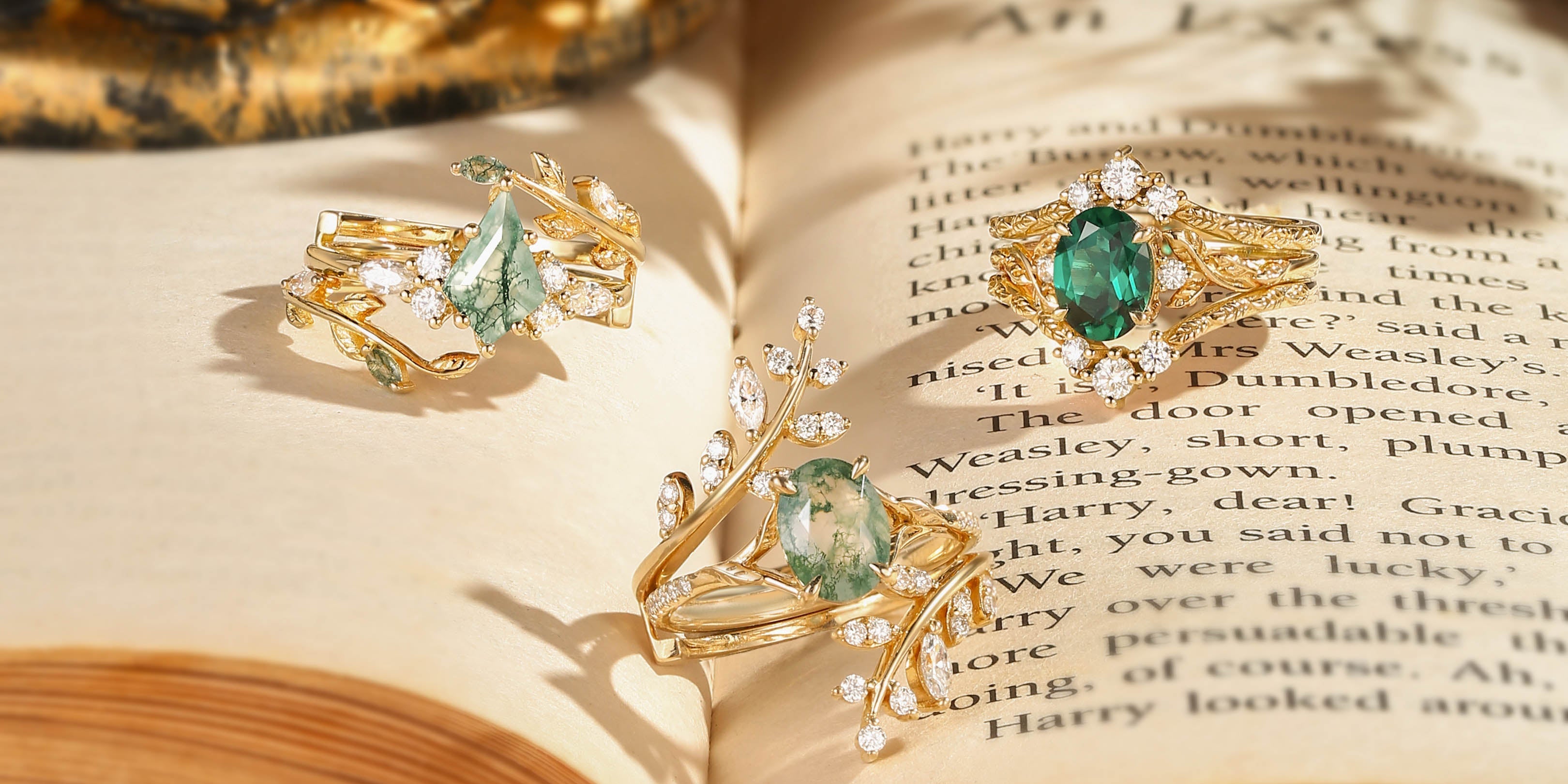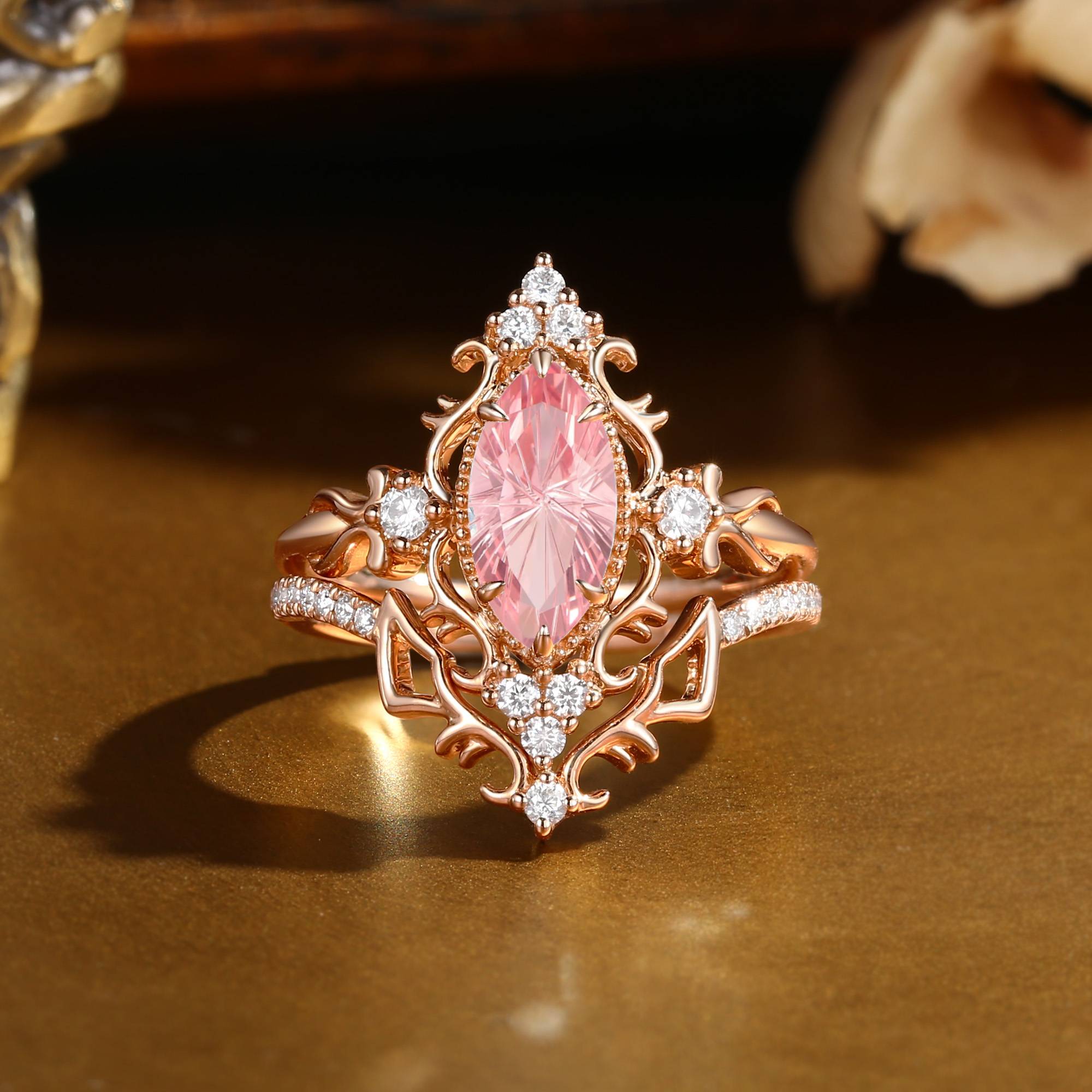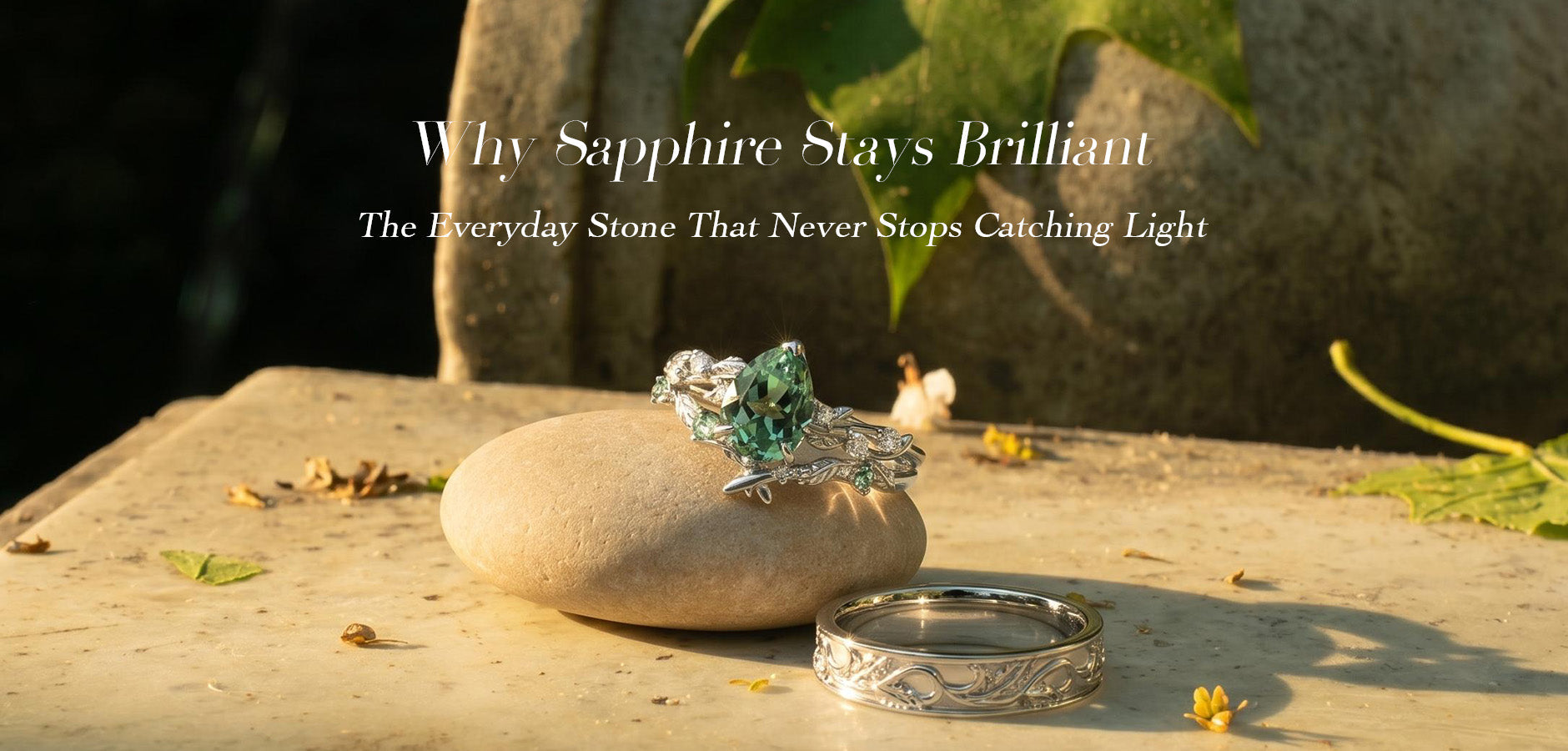
There's a reason sapphire keeps showing up on fingers, necks, and ears — not just in museums or royal jewelry cases. It glows. And unlike a lot of gemstones that need to be saved for special occasions, sapphire actually earns its place in daily wear.
Here's what you should know before you add one to your collection.
Here's what you should know before you add one to your collection.
Sapphire Is Built Different — That's Not Hype
Not every gemstone can handle a regular Tuesday. Perfume. Coffee. Keys in a bag. The casual bump against a bathroom counter. These are the things that quietly degrade softer stones over time.Sapphire ranks 9 out of 10 on the Mohs hardness scale — second only to diamond. In practice, that means the surface holds up against almost every material you'll encounter in real life. Metal doesn't mark it. Glass doesn't mark it. The average countertop doesn't stand a chance.
What's worth knowing beyond just the number: sapphire also has no natural cleavage planes. Cleavage planes are invisible structural fault lines that can cause a gemstone to split under impact. Diamonds have them. Sapphire doesn't. That makes sapphire slightly more forgiving if it takes a knock at an odd angle — which is exactly the kind of thing that happens when you're living in a ring, not storing it in a box.
The Sparkle Factor: Why Hardness Actually Affects Brilliance
This is where sapphire pulls away from softer colored stones in a way most people don't think about.Softness kills shine. A stone that scratches easily develops micro-abrasions on the surface — tiny scuff marks that scatter light instead of reflecting it cleanly. The result? A gem that looks progressively duller over months or years, even without major damage.
Sapphire's hardness keeps the surface smooth. Light hits cleanly. The color stays saturated. The glow stays real.
That deep blue catches the light at one angle. Swing your wrist, and it shifts. That movement — that life inside the stone — stays intact year after year in a sapphire in a way it simply won't in a softer gem.
Every Color Has Its Own Personality
When people think sapphire, they think blue. And deep royal blue sapphire is genuinely stunning — there's a reason it's been the go-to stone for statement pieces for centuries.
But sapphire comes in almost every color of the spectrum, and the durability story applies to all of them:
- Blue sapphire — the classic. Deep, rich, and commanding. Goes with everything and draws the eye from across the room.
- Pink sapphire — softer and warmer than ruby, with a light-catching quality that photographs beautifully.
- Teal sapphire — where blue meets green. Unexpected, modern, and somehow both bold and easy to wear.
- Yellow sapphire — sunny without being flashy. A genuinely underrated pick that stands out in the best way.
- White sapphire — clean, bright, and an honest alternative to diamond for people who love the look of a white stone but want something with more character
Every single one of these holds its color and surface over time because the mineral itself is that hard. That's not true of softer colored stones, many of which can dull, cloud, or chip with regular wear.
How Does Sapphire Compare to Diamond?
Diamond is the hardest natural material on Earth — a 10 on the Mohs scale. Sapphire sits right behind it at 9.In actual daily wear, that gap is almost irrelevant. What matters more is how a stone behaves when life happens to it, and sapphire behaves well. It resists scratches from everything short of another sapphire or a diamond. It holds its polish. It doesn't cloud or fade.
The real difference between the two is color. Diamond is largely colorless (or near-colorless). Sapphire brings a full spectrum of options — meaning you get the durability story without being locked into a single look.
For people who want a stone that does something visually — that has a color presence, that shifts in different lighting, that actually catches and plays with light — sapphire often delivers more than diamond does at a comparable or lower price point.
For people who want a stone that does something visually — that has a color presence, that shifts in different lighting, that actually catches and plays with light — sapphire often delivers more than diamond does at a comparable or lower price point.
What Can Actually Damage Sapphire (Be Honest With Yourself)
Sapphire is hard. It is not indestructible.A strong enough impact — dropping a ring directly onto tile, catching the stone on a sharp metal edge — can chip the girdle or corners of a faceted stone. This is uncommon, but it's possible. Sapphire doesn't scratch easily, but it can break if the force is sharp enough at exactly the wrong angle.
The short version: wear your sapphire jewelry through your regular day without worrying about it. Take it off when you're doing something that involves real force — heavy gym work, construction, anything with significant hand-contact risk. That's not paranoia. That's just common sense that applies to any gemstone, including diamond.
Keeping It Looking Right
Sapphire is low-maintenance by nature, but a little care goes a long way.Clean it simply. Warm water, a drop of mild soap, a soft brush. That's all. Work around the setting where dust and product tend to accumulate. Rinse well and pat dry.
Avoid ultrasonic cleaners if the stone has inclusions. Most sapphires are heat-treated (a common and accepted practice in the industry), and while this typically holds up fine, stones with significant internal features are better cleaned by hand.
Store it separately. Sapphire won't be scratched by most other jewelry, but it can scratch softer gems. Keep pieces separated in a pouch or lined box.
Get the setting checked once a year if you wear it daily. This has nothing to do with the stone — it's about making sure prongs and bezels stay secure over time. A loose setting is the most common reason stones get lost, and a five-minute check prevents that entirely.
The Bottom Line
Sapphire is one of the few colored gemstones that actually makes sense for everyday wear — not just for special occasions, not just behind glass. The hardness is real, the color range is real, and the sparkle holds up.If you want a stone that moves with your life and still looks the way it did the day you got it, sapphire is the answer.
Explore BlingFlare's sapphire collection at blingflare.com and find the color that catches your light.
Quick Questions, Straight Answers
Does sapphire scratch easily?No. At hardness 9, sapphire resists scratching from nearly all everyday materials. Only diamond or another sapphire can reliably scratch the surface.
Can sapphire crack or chip?
A direct, hard impact at the right angle can chip a sapphire — but this is uncommon in normal wear. The stone has no cleavage planes, which makes it more impact-tolerant than many people expect.
Does sapphire stay shiny over time?
Yes. Because the surface resists micro-scratches, sapphire holds its polish well and doesn't dull the way softer stones do.
Is blue the only option?
Not even close. Sapphire comes in pink, teal, yellow, white, purple, and more — all with the same hardness and durability profile.
How do I clean sapphire jewelry at home?
Warm water, mild soap, soft brush. Rinse well. That's it.
Is sapphire worth buying over diamond?
Depends on what you want. Diamond is the hardest, but sapphire is nearly as tough, comes in a full color range, and often costs significantly less for a given carat size. If color matters to you, sapphire wins.