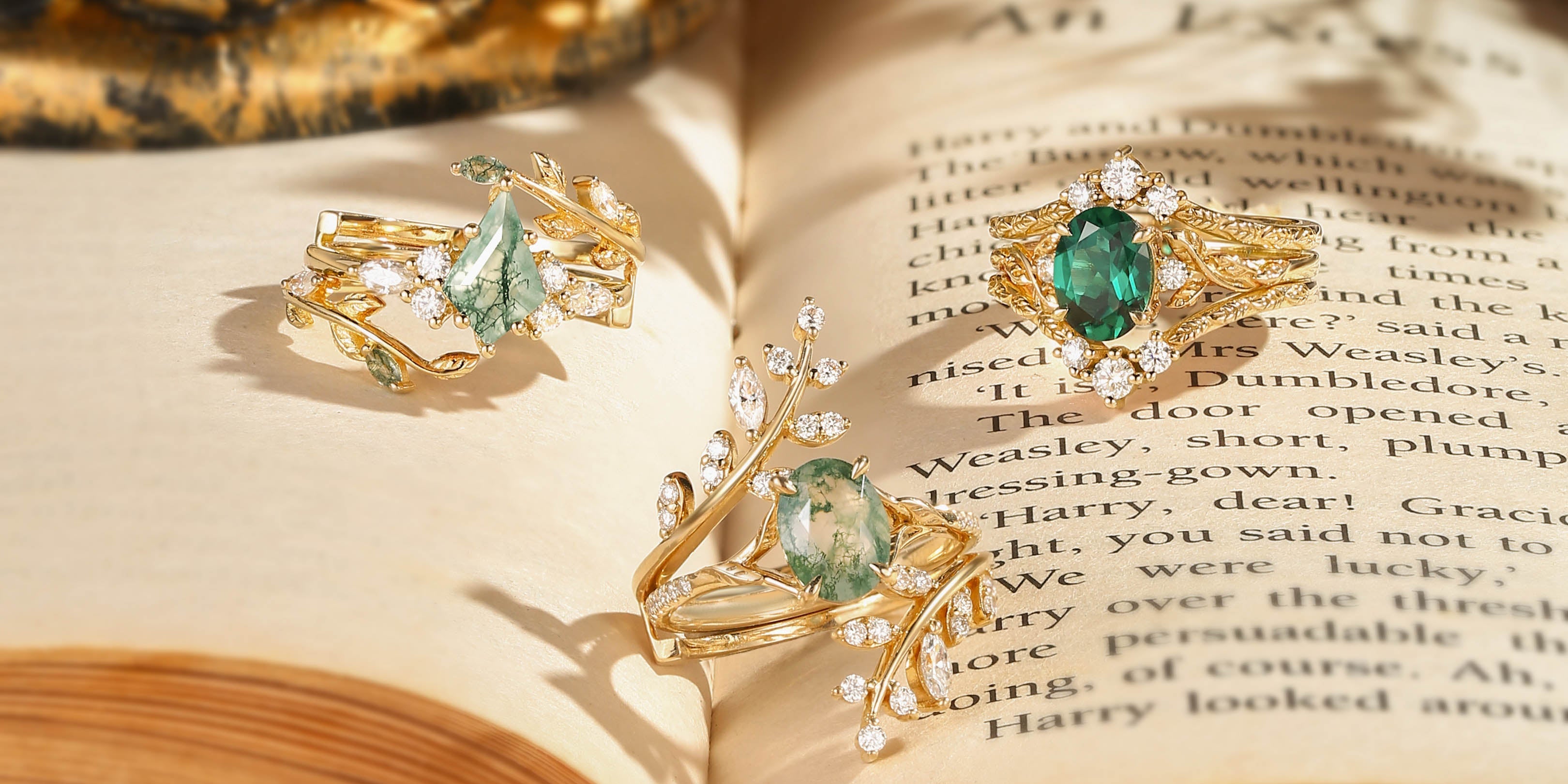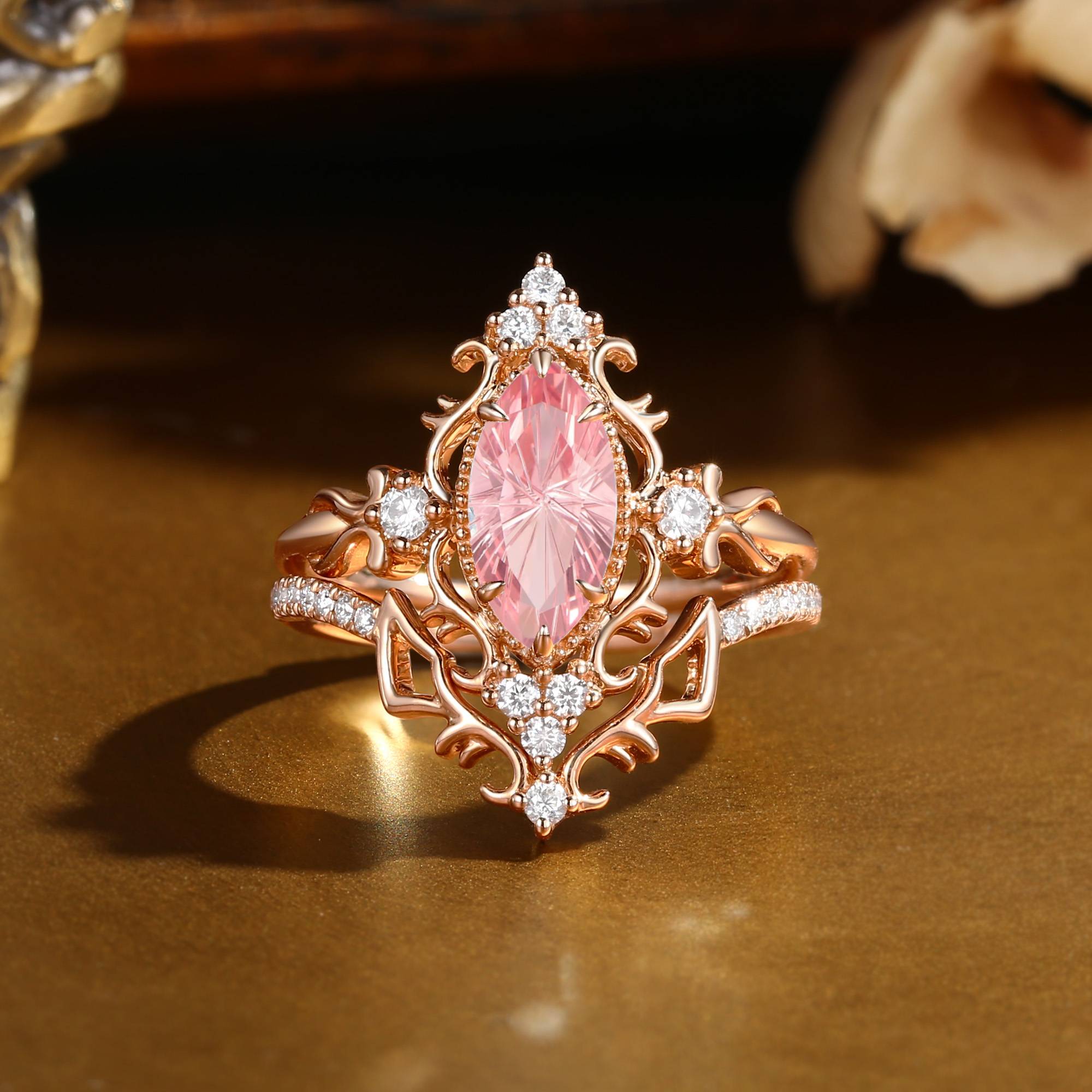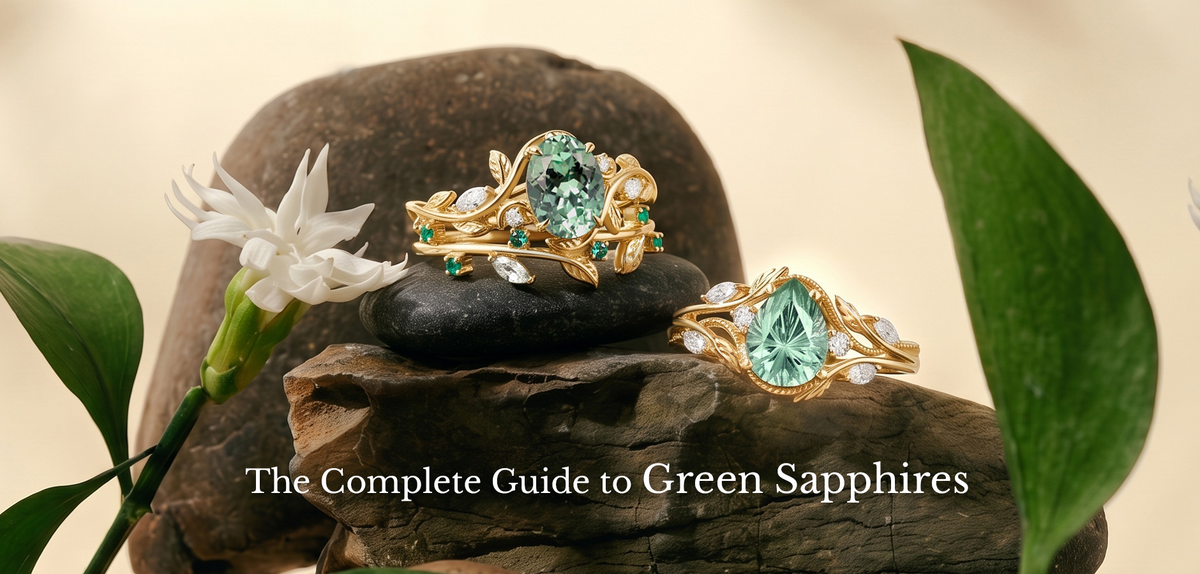
In the world of colored gemstones, few stones command as much admiration — or as many questions — as the green sapphire. Long overshadowed by its blue counterpart, the green sapphire is now enjoying a renaissance, celebrated by designers, collectors, and brides-to-be for its unique beauty, exceptional durability, and symbolic resonance. If you've been searching for an engagement ring that feels both timeless and distinctly personal, you've likely already sensed the allure of this remarkable stone. At BlingFlare, green sapphires have become one of our most-requested gemstones, and for good reason: they offer a perfect balance of rarity, durability, and visual impact. In this comprehensive guide, we'll explore everything you need to know about green sapphires — from their formation and characteristics to how to choose the perfect stone for your ring.
Table of Contents
- What Is a Green Sapphire?
- Natural vs. Lab-Grown Sapphires
- Color, Cut & Clarity
- How to Choose Your Sapphire
- FAQ
What Is a Green Sapphire?
A green sapphire is a variety of the mineral corundum (aluminum oxide) that owes its color to the presence of trace elements — typically iron and titanium, and in some cases, chromium or vanadium. Like all sapphires, green sapphires rank 9 on the Mohs hardness scale, making them second only to diamond in durability. This exceptional hardness means they can withstand the rigors of daily wear without scratching or losing their luster.
The color palette of green sapphires is remarkably diverse, ranging from pale mint and olive to deep forest and teal. Some stones exhibit a yellowish-green hue, while others lean toward blue-green, creating a spectrum of options for every taste and skin tone. The most valued green sapphires are those with a pure, saturated green color and excellent clarity — stones that seem to glow from within, like sunlight filtering through a forest canopy.
The Symbolism of Green Sapphires: Throughout history, green sapphires have been associated with nature, growth, and renewal. In ancient times, they were believed to promote healing, balance, and harmony — qualities that make them an especially fitting choice for engagement rings. To wear a green sapphire is to carry a talisman of vitality and hope, a reminder that love, like the natural world, is constantly evolving and regenerating.
Natural vs. Lab-Grown Sapphires
One of the most important decisions you'll face when shopping for a green sapphire is whether to choose a natural stone or a lab-grown alternative. Both options have their merits, but understanding the differences is key to making an informed choice.
| Feature | Natural Sapphire | Lab-Grown Sapphire |
|---|---|---|
| Origin | Mined from earth | Created in laboratory |
| Chemical composition | Identical | Identical |
| Hardness (Mohs) | 9 | 9 |
| Price (1-carat) | $3,000–$10,000+ | $300–$1,500 |
| Ethical concerns | Mining impacts | Minimal footprint |
| Consistency | Variable | Highly consistent |
Natural Green Sapphires: Natural green sapphires are formed deep within the earth over millions of years. While undeniably romantic, they come with significant drawbacks: high cost, ethical concerns, and inconsistency in quality.
Lab-Grown Green Sapphires: Lab-grown green sapphires are created in controlled laboratory environments, resulting in stones that are chemically, physically, and optically identical to their natural counterparts — at 30–50% less cost, with minimal environmental impact.
At BlingFlare, we exclusively use lab-grown sapphires in our jewelry. This decision reflects our commitment to ethical practices, environmental stewardship, and making fine jewelry accessible to a wider audience.


Color, Cut & Clarity
When selecting a green sapphire, three factors are paramount: color, cut, and clarity. Each plays a critical role in determining the stone's overall beauty and value.
Color: The ideal stone has a pure, saturated green hue with medium to medium-dark tone and strong to vivid saturation. Avoid stones that appear grayish or brownish. Some green sapphires exhibit secondary hues — yellowish-green or bluish-green — which can be beautiful but may affect value.
Cut: The cut determines how well the stone interacts with light. Popular cuts for green sapphires include:
- Oval: Elongates the finger and enhances color saturation
- Pear: Creates a dramatic, vintage-inspired look
- Round: Offers maximum brilliance
- Emerald: Highlights clarity and color with geometric precision
At BlingFlare, we also offer our signature firework cut, which adds 24 additional facets to traditional cut patterns, creating an extra dimension of brilliance and sparkle.
Clarity: The ideal green sapphire is "eye-clean" — inclusions are not visible to the naked eye. Minor inclusions that are only visible under magnification are generally acceptable and can even add character to the stone.


How to Choose Your Sapphire
Selecting the perfect green sapphire involves considering several factors: budget, skin tone, metal preference, and lifestyle.
1. Determine Your Budget
Green sapphires are available at a wide range of price points. Lab-grown sapphires are generally more affordable than natural sapphires, allowing you to get a larger stone or a more intricate setting for your budget.
2. Consider Your Skin Tone
- Cool Skin Tones: Look for green sapphires with bluish-green or teal undertones
- Warm Skin Tones: Opt for green sapphires with yellowish-green or olive undertones
- Neutral Skin Tones: Most green sapphire hues will look stunning on you
3. Choose Your Metal
- Yellow Gold: Enhances warmth, creates a classic vintage look
- White Gold or Platinum: Creates striking contrast, makes green appear more vibrant
- Rose Gold: Adds romantic, feminine touch
4. Think About Your Lifestyle
If you lead an active lifestyle or work with your hands, opt for a bezel or low-profile setting that protects the stone and minimizes the risk of damage.


FAQ
Are green sapphires durable enough for everyday wear?
Absolutely. Green sapphires rank 9 on the Mohs hardness scale, making them second only to diamond in durability. They can withstand the rigors of daily wear without scratching or losing their luster.
What's the difference between natural and lab-grown green sapphires?
Chemically, physically, and optically, they're identical. The only difference is their origin. Lab-grown sapphires are created in controlled environments, making them more affordable, ethical, and consistent.
How do I clean my green sapphire ring?
Use a soft brush and mild soap to gently clean your ring. Rinse with warm water and pat dry with a soft cloth. Avoid harsh chemicals and ultrasonic cleaners.
What metal works best with green sapphires?
Yellow gold enhances warmth, white gold creates contrast, and rose gold adds romance. The best choice depends on your personal style and the specific hue of your sapphire.
Are green sapphires rare?
Natural green sapphires are relatively rare, but lab-grown green sapphires are widely available, making them accessible for a range of budgets.
Do green sapphires change color in different lighting?
Green sapphires maintain their color in different lighting conditions, though the exact hue may appear slightly different depending on the light source.
What carat size should I choose for a green sapphire?
Green sapphires are available in a wide range of sizes, from under 1 carat to 5 carats and beyond. The right size depends on your budget, finger size, and personal preference. Smaller stones (0.5-1 carat) offer excellent value, while larger stones (2+ carats) make a bold statement. Lab-grown sapphires make larger sizes more accessible without compromising on quality or ethics.